



Don’t Let Worker Fatigue Ruin Your Farm! Avoid accidents, injuries & plummeting profits. Discover how to keep your workers energised and your farm running smoothly.


HUGE SALE NOW ON MODULAR HOUSING! MASSIVE SAVINGS UP TO $30,000
We’ve talked a bit about farm worker fatigue in a previous article. Here’s a recap of it for your interest.
Did you know that agriculture ranks among the sectors in Australia that have the highest worker fatality rate, the Key Work Health and Safety Statistics, Australia 2022 report suggests. Fatigue is one of the primary factors contributing to occupational injuries.
Managing fatigue on farms should become a main priority because it maximises safety, increases worker output, and benefits the farm’s sustainability in the long run.
But have you sat down and thought about how this could actually impact your farm if you don’t take some steps to try and alleviate the problem? Do you realise that if the problem continues untreated, it could end up ruining your farm?
While that might be the worst-case scenario, it’s a real problem that does need to be addressed if you want your farm to continue to prosper into the future.
Let’s take a closer look at the problem.
Worker fatigue is exceptionally common in the agricultural sector. During peak harvest season, some agricultural workers will be doing their job for 16+ hours per day, studies show.
Worker fatigue in agriculture is often a direct consequence of the following practices:
Research suggests that the problem is widespread among agricultural workers. Severe burnout among agricultural workers affects anywhere between 10 and 13.72 per cent of everyone employed in the field.
Additional research paints a really shocking picture. Fatigue is four times more likely to cause worker impairment than drugs or alcohol. A severely tired worker is three times more likely to get involved in an accident and that’s why about 20 per cent of all vehicle fatalities involve a tired operator.
Studies have shown that the effects of fatigue can be as debilitating as the consumption of alcohol.
Seriously, think about that for a minute…
You’d never allow your workers to turn up to work drunk, would you?! If they did, you’d send them home straight away, wouldn’t you?
Or you’d tell them to go and sleep it off, or get someone else to drive them home because you don’t want them driving in that condition either.
You might even be tempted to sack them on the spot, honestly – turning up to work drunk is unacceptable.
So the symptoms of fatigue can be similar to when someone’s drunk. Here’s what this might look like:
There’s no way known that you’d want your workers operating farm machinery when they have these symptoms, would you?
When workers are impaired due to fatigue, they can make mistakes and not be as careful or as accurate as they should be. This can be a huge problem, especially when they’re working with heavy farm machinery or unpredictable livestock.
Statistics make it very clear just how extensive the impact of fatigue on farm productivity and worker safety can be. In Victoria, for example, farms employ just two per cent of the workforce. At the same time, the agricultural sector accounts for one in seven workplace fatalities that occurred in 2019/2020.
WorkSafe Executive Director of Health and Safety Julie Nielsen believes that fatigue is tremendously dangerous because it involves “pushing our bodies beyond their mental and physical limits day after day, with no time to recover.”
“When you think this could be someone operating heavy machinery or dealing with unpredictable livestock, the consequences of fatigue can be deadly,” Nielsen concluded.
When workers are fatigued and not operating at peak performance, it’s highly likely that accidents will occur.
What if those accidents happen when the worker is operating heavy farm machinery?
Serious accidents could easily result in permanent disablement or even death. And we don’t have to tell you that that’s something that you definitely don’t want on your conscience.
Plus, your public liability insurance costs would go through the roof. Not to mention the toll this would take on your and your family’s mental health.
If your workers have to travel long distances back to their accommodation after a long day’s work, there’s a significantly increased chance that they’ll be prone to having a car accident on the road.
We all know that driving while tired is one of the major causes of road accidents in Australia along with speeding. There are signs along every major highway in the country that tell us this, and we’d be blind not to see them.
Add to that the fact that your workers are heading home at dusk when visibility is low and the wildlife is active. Kangaroos can cause a lot of damage to vehicles as well as the driver and passengers.
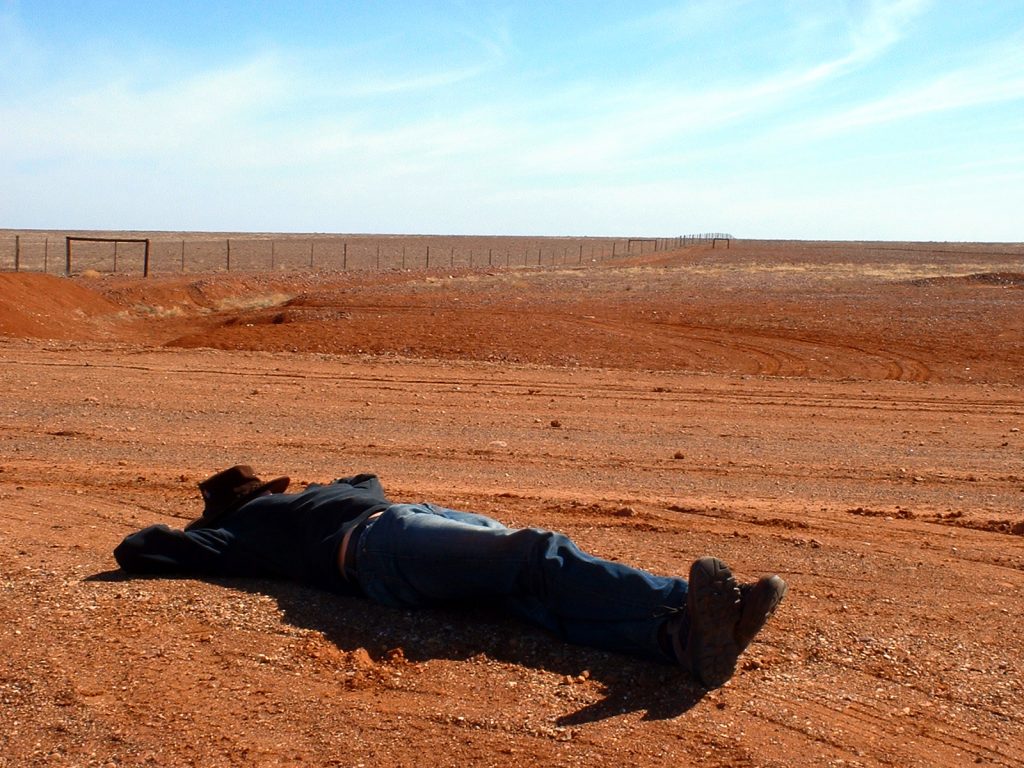
If you’re on a rural or remote property, chances are that there’s no emergency medical assistance nearby.
So, what happens if a serious accident does occur?
Waiting for medical assistance, such as the Flying Doctor service, could result in a life-or-death situation when someone’s been injured in a serious accident on your property.
Once again, this is not something that you want to have to deal with if you could avoid it.
You’ve probably realised by now that if any one of these things happens on your property due to worker fatigue, it could easily ruin your farm.
Major accidents could result in extensive investigations that could take months to complete. This means that your operation could be under scrutiny and even your reputation at stake. Plus, you’ll find it hard to concentrate on running your farm with all this hanging over your head.
You’d most likely be investigated by the Worker’s Compensation body in your state and you could even face legal penalties if your case is serious enough.
And your insurance costs will go through the roof, or even worse, you might even find that no one’s willing to sell you insurance.
Then there are other consequences to consider such as not being able to get anyone to work for you if your case has been widely publicised.
While these situations look at the more dire consequences of having fatigued workers and you hope that they don’t happen to you, other situations can arise that can be just as detrimental to the success of your enterprise.
If your workers are fatigued for much of the time, it’s likely that your farm is not going to be running as efficiently as it could. This could mean that your production is down or that your harvest will not be completed on time.
Of course, this will have a negative effect on your bottom line and the profitability of your farm overall.
Now, we’re not saying all of this to give you a scare or put undue pressure on you and your enterprise.
Thankfully, accidents don’t happen every day, but they do happen periodically and it’s better to be aware and prepared, than not.
In fact, by alerting you to what could possibly happen, we’re doing you a favour by letting you know what the risks are and what you can do to alleviate some of those risks so the unforeseen doesn’t happen to you.
If you want to avoid the consequences resulting from worker fatigue in agriculture, here are just a few strategies that you can use:
These are just some of the things that you can do to ensure that your workers don’t suffer from fatigue on a regular basis.
Another thing that you could do is engage a Workplace Health and Safety consultant to come out and have a look at any improvements that you could make to ensure that you and your workers are as safe as they can be.
The University of Sydney has a good range of resources that farmers and agricultural managers can employ to maximise safety and introduce effective measures against worker fatigue. University of Minnesota also has a detailed safety checklist that emphasises some of the best anti-fatigue practices.
While there may be odd times during the year when longer hours are required, this shouldn’t be the norm.
Remember that everyone works best when they’ve been able to have a great night’s sleep and are alert and ready to get going the next morning.
When your farm workers are allowed enough rest after a hard day’s work, you’ll find that they’ll be motivated and eager to get their jobs done.
And, because they’re alert, they’ll be less likely to make mistakes and your farm will run more efficiently than you ever thought possible.

Download your copy of our Accommodation Guide.
Aruva’s experienced team will collaborate with you about our modular accommodation solutions.

Talk to us about your property, timeline and requirements.

We’ll supply a proposal based on your design preference.

Place your order! We’ll build and install your new modular accommodation.
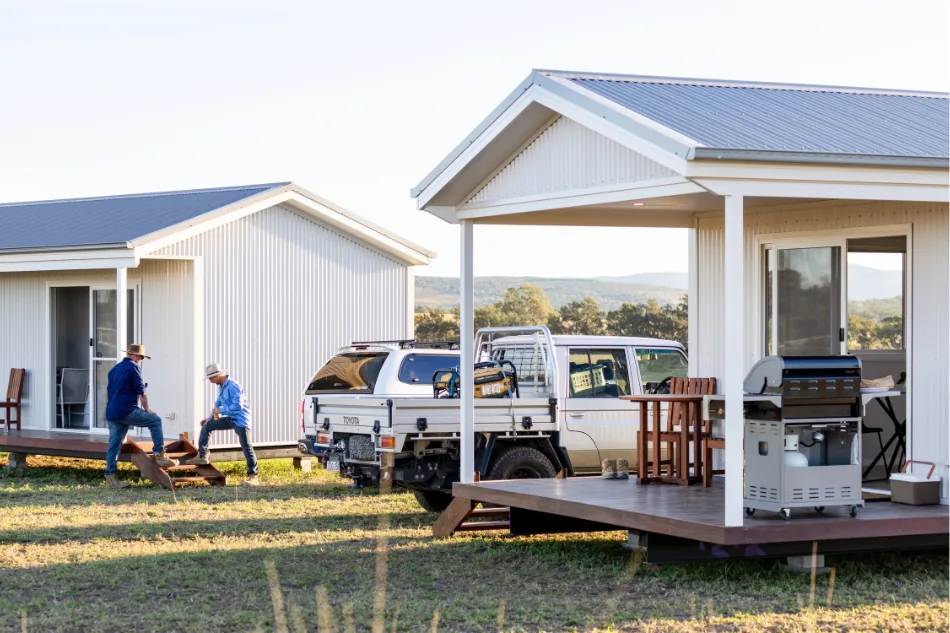
There’s no place like home, right? Your staff can spend their evenings in comfort and style, relaxing and connecting with friends and family, and then recharge their batteries with some quality zzzzs.


Our Resources

Learn how scalable worker housing helps farm operators meet current demand, plan for growth and avoid committing to excess capacity too early.

Planning multiple modular housing units? Learn what to check for power, water and wastewater before you lock in site layouts or unit numbers.
Modular housing cost Australia explained: see the seven budget areas beyond the unit price, from freight and footings to approvals and services.