What should accommodation managers check before winter?
Start with the basics: heating, draughts, insulation, ventilation, condensation, wet areas, flooring, outdoor access and resident comfort.
Cold weather can expose small problems fast. A heater that hasn’t been tested. A blocked exhaust fan. Water pooling near an entry. Condensation building up overnight.
Whether you’re managing one unit or a larger modular accommodation site, the approach is the same: inspect early, fix small issues quickly and ask residents what they’re experiencing.
Well-run accommodation sites don’t wait for complaints. They get ahead of them.
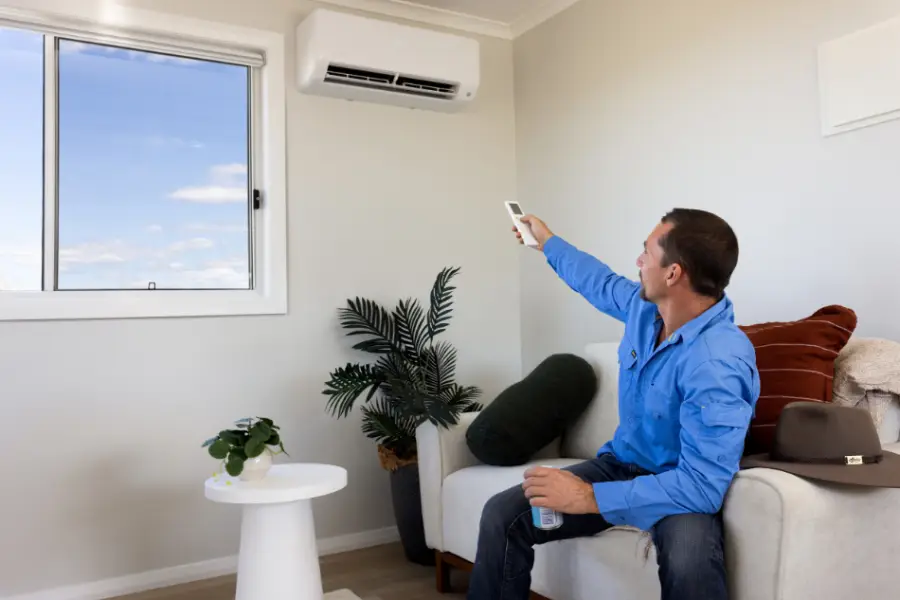
Test the heating
- Run every heater and make sure the room warms properly.
- Clean filters, vents and accessible external units.
- Check thermostats, timers, remotes and wall controls.
- Look and listen for weak airflow, unusual noises, smells or fault codes.
- Book servicing early where heating is unreliable or underperforming.
Heating needs to be simple, reliable and ready to go. The Australian Government’s heating and cooling guidance also recommends regular cleaning and maintenance to help systems work effectively.
Check for draughts and heat loss
- Check seals around external doors and windows.
- Look for gaps under doors and around frames.
- Note rooms that stay cold even when the heater’s running.
- Check for damaged wall, ceiling or floor linings.
- Investigate ongoing issues that may point to damaged or poorly installed insulation.
The aim isn’t to stop all airflow. It’s to control unwanted draughts while keeping proper ventilation working. Good insulation and draught proofing help retain warmth and reduce the load on heating systems.
Keep ventilation working
- Test bathroom, laundry and kitchen exhaust fans.
- Clean fan covers, grilles and vents.
- Make sure moist air is being discharged outside.
- Keep permanent vents clear and unblocked.
- Remind residents to use exhaust fans during and after showers, cooking and clothes drying.
Experienced accommodation managers know warmth and ventilation have to work together. A closed-up unit with poor airflow can quickly become damp and uncomfortable. YourHome explains why ventilation and airtightness need to be considered together.
Watch for condensation
- Check windows, sills, corners and wall junctions.
- Look behind furniture, curtains and inside wardrobes.
- Follow up musty smells, staining or recurring mould.
- Check whether furniture or curtains are blocking airflow.
- Reinspect after cold nights, heavy rain or extended wet weather.
Recurring condensation isn’t just a cleaning issue. It may point to excess moisture, poor ventilation or a building issue that needs attention.
Inspect bathrooms and wet areas
- Check shower screens, seals, grout and silicone joints.
- Test floor wastes and drains.
- Look for leaking taps, toilets, pipes and hot-water fittings.
- Check beneath vanities and around wall and floor junctions.
- Repair leaks, failed seals and slow drains early.
Wet areas should dry out properly between uses. If they’re staying damp, find out why. NSW Health links mould with excess moisture, condensation and reduced airflow.
Review flooring
- Check for lifting edges, loose joins and damaged flooring.
- Look for slippery areas near entrances and wet areas.
- Use secure, absorbent entrance mats.
- Remove trip hazards and replace damaged mats.
- Follow up flooring that stays damp or shows signs of water entry.
A small flooring issue can quickly become a safety problem. SafeWork NSW highlights wet, slippery and uneven surfaces as common slip and trip hazards.
Check outdoor access
- Inspect paths, steps, ramps, decks and handrails.
- Clear leaves, mud, algae and slippery build-up.
- Check gutters, downpipes and drainage around entries.
- Fix areas where water pools or crosses walkways.
- Test exterior lighting around early and late shift changes.
Smart accommodation managers recheck access after the first heavy rain. Not just before winter starts.
Ask residents what they’re experiencing
A quick conversation often reveals more than a visual inspection.
- Is the unit warm enough overnight?
- Is the heater reliable and easy to use?
- Are there draughts, cold spots or condensation?
- Does the bathroom stay damp?
- Are the hot water, paths and entrances reliable after rain?
Track repeat feedback. One complaint may be isolated. Several similar complaints usually point to a wider issue.
Set a simple winter routine
A single inspection won’t cover the whole season.
Before winter
- Test heating and check seals.
- Inspect ventilation and wet areas.
- Clear gutters and drains.
- Check lighting and outdoor access.
After the first heavy rain or cold spell
- Look for leaks, condensation and pooling water.
- Ask residents about heating and comfort.
- Recheck entrances, paths and flooring.
During winter
- Respond quickly to heating faults.
- Follow up moisture and mould early.
- Keep drains, paths and entries clear.
- Track repeat issues across multiple units.
Small checks make a real difference
Winter readiness usually comes down to several small things working properly.
Reliable heating. Controlled ventilation. Dry wet areas. Safe flooring. Clear access. Early repairs.
That’s what capable accommodation managers are doing. They’re checking before problems grow, listening to residents and keeping units comfortable through the colder months.
It’s not just good maintenance. Comfortable, reliable accommodation helps organisations attract and retain the people they need. Residents are more likely to settle in, rest properly and stay when their accommodation is warm, safe and looked after.
Real Living. Delivered. Accommodation delivered fast and built to last.