



So you’ve heard this a few times recently, that to get more workers on board at your farm, you’ve got to seriously look after them when it comes to accommodation.

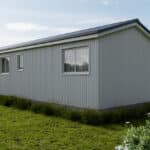
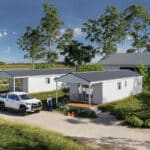

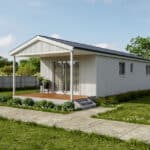
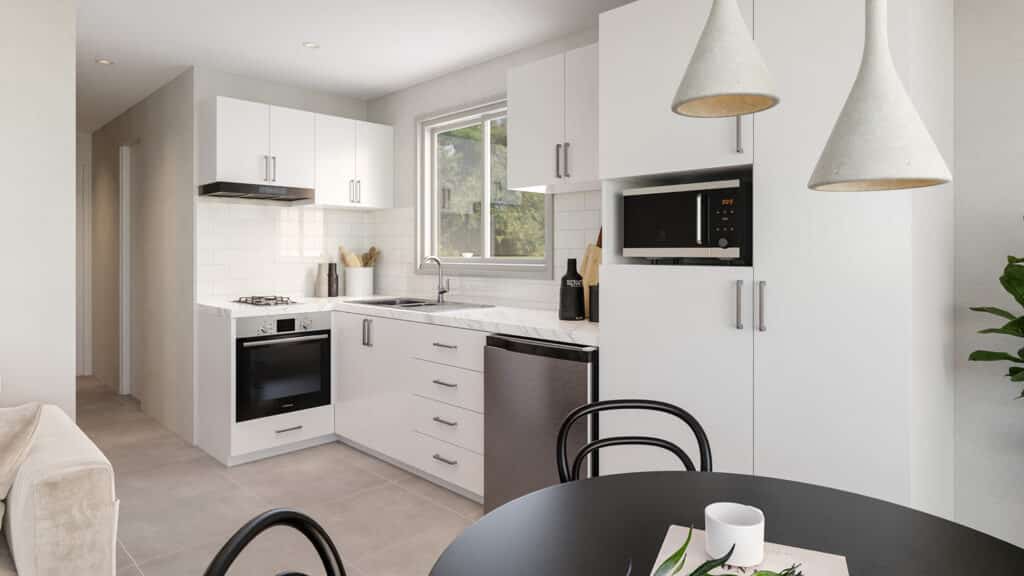

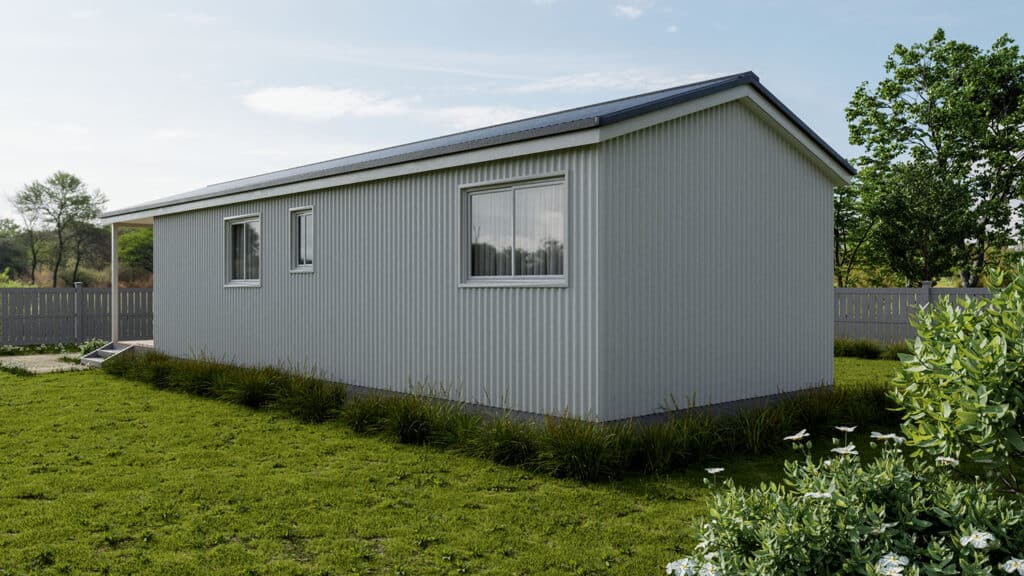
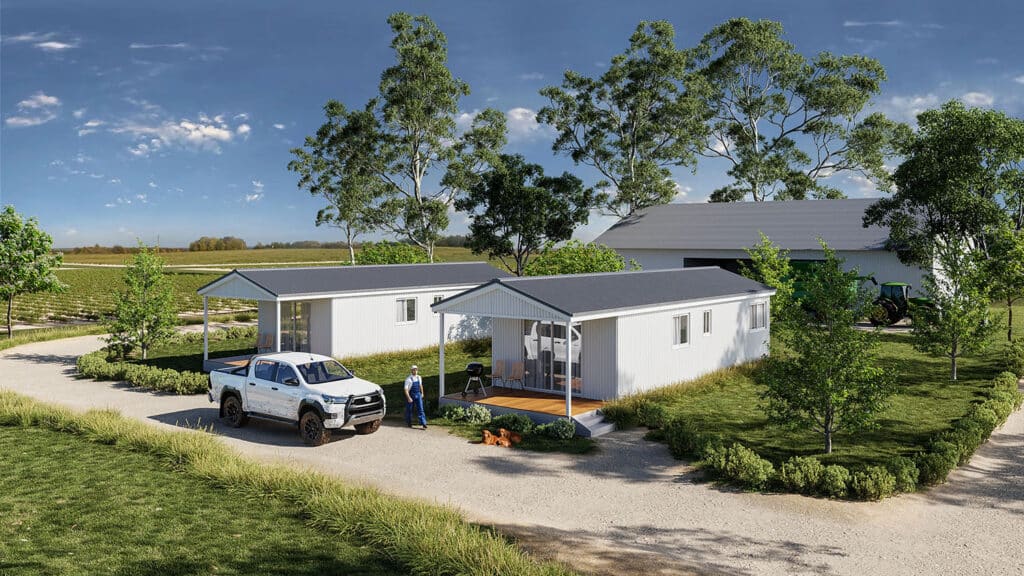

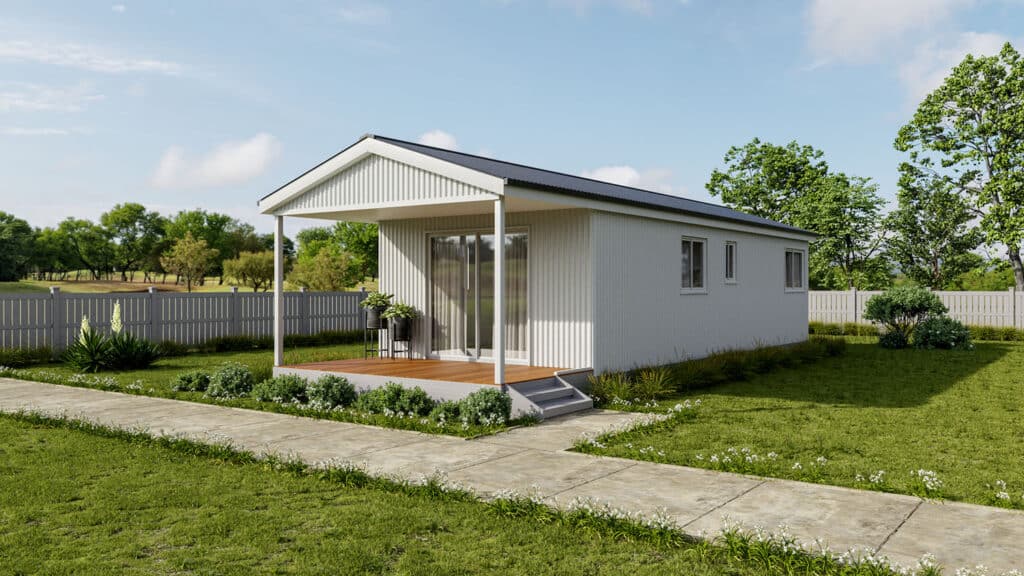

HUGE SALE NOW ON MODULAR HOUSING! MASSIVE SAVINGS UP TO $30,000
Good question, we’re glad you asked. And that’s what this article is all about – farm worker accommodation and whether farm workers need better accommodation.
And by the way, we’re not here to convince you of some solution. We’re here to discuss what we reckon the real underlying problem is.
See, we’ve noticed some pretty extreme statements being bandied about in the media in recent times. This one mightn’t sound very extreme – the Rural Bank Australia estimating that well over $80m of produce was lost during the covid years due to a lack of seasonal labour. But look at this one: Michelle Sleeth at Agri Labour Australia says that accommodation in every regional town in Australia is our number one biggest headache.
And how’s this statistic for you? Data obtained on 13 September 2022 showed 17 rental vacancies in cropping hub Moree, where there were also 112 jobs advertised. In Griffith on the same day, there were just six rental vacancies and 300 jobs going.
Mmm, some misalignment there.
But it’s not just us pulling some isolated stats off some seclusive site. Major organisations such as NSW Farmers are repeatedly and publicly stating that housing availability and affordability are often cited as key factors in ongoing labour shortages in regional areas. And they’re getting this from where? the farmers themselves.
Well, to start with, let’s look at things from the workers viewpoint for a minute. Yep, we get it, you already know how workers feel, because you’ve been employing them for years. But humour us here for a few minutes, or a few lines.
Every worker really wants to make a difference in their work. It mightn’t seem like that in a lot of situations, but unless there’s some serious psychological disorder, people want to walk away from work in the evening feeling like they’ve been valued and meaningfully contributed to the work they did that day.
This isn’t anything new, HR experts have been saying this for eons.
But unfortunately for some workers out there in the big wide world, they’re not getting that sense of job satisfaction. Why not?
Making sure the machine is in perfect running order is a no-brainer to a farmer who wants to get the best out of his equipment. They wouldn’t think twice about spending the money needed to get any repairs done, or regular servicing to ensure that it’s at peak performance.
Hey why not?
Imagine if every one of your workers arrived smack on time each morning in peak performance? Just picture the amount of work that would get done, or the productivity output as the experts say. In fact if workers arrived feeling ready to take on the world, then in many cases, it would probably go a long way to resolving the other 2 reasons we mentioned before – not feeling appreciated, and not being up to the work.
So why aren’t workers like this?
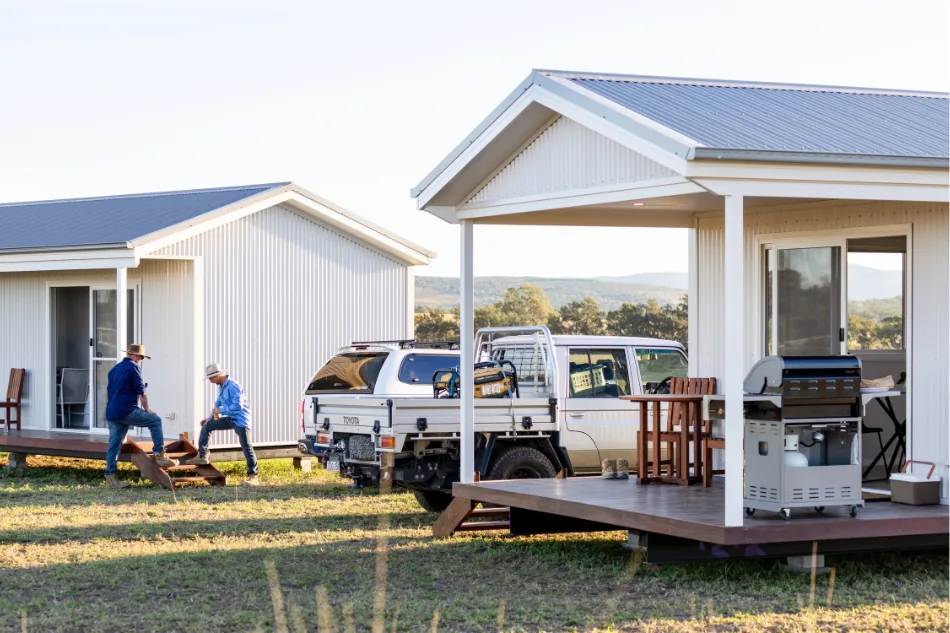
Think about where workers recharge. Where do we all recharge? There’s no place like home, is there? It’s in the evenings that farm worker accommodation is needed. It’s where they unwind, relax, connect with friends and family, and then recharge their batteries with some good zeds.
Of course, we all know these things. None of this is new to any of us. But we take it for granted so much that we don’t give it any thought. What we’ve been seeing is that many employers take for granted that their workers have sorted all of this out for themselves. And this can be a trap, because workers heading out to rural NSW for employment have real trouble finding accommodation.
So what do they do? Either settle for a very poor substitute for accommodation, living in a tent or some decrepit caravan or hut. Or end up room sharing with mates that don’t help the situation. Or they find something that’s 2 hours away and have to spend both time, money and energy driving some ridiculous distance to work each morning and evening.
Which is why workers have started putting their foot down and saying no. No to working on a farm where they can’t look after their personal life. No to living in pathetic living quarters. And no to living a life that they can go elsewhere to avoid. Even in situations where they can get good money.
So the short answer is that good farm worker accommodation is one of the biggest key ingredients to attracting and retaining good workers on your farm. The long answer is that there are plenty of different levels of accommodation. And of course there are varying opinions on the definition of ‘good’ accommodation.
And that’s the end of this article, because we’re not here today to try and define what good and bad accommodation is. But we’re here to help with an understanding of some of the root causes of the larger problem of a lack of workers.
Except to say that we noticed that Michelle Sleeth – who we mentioned earlier – has also publicly mentioned to the industry to always be looking above and beyond on ways that you can provide good accommodation for staff.
And of course, we can’t end without asking a question …
Imagine a scenario where workers enjoyed going home each evening to a place that was comfortable, gave them the space to do their own thing for a few hours, enabled them to get some valuable zeds at night, and wasn’t a million miles away from work? It will definitely come – the whole market is driving it that way.

Download your copy of our Accommodation Guide.
Aruva’s experienced team will collaborate with you about our modular accommodation solutions.

Talk to us about your property, timeline and requirements.

We’ll supply a proposal based on your design preference.

Place your order! We’ll build and install your new modular accommodation.
There’s no place like home, right? Your staff can spend their evenings in comfort and style, relaxing and connecting with friends and family, and then recharge their batteries with some quality zzzzs.


Our Resources
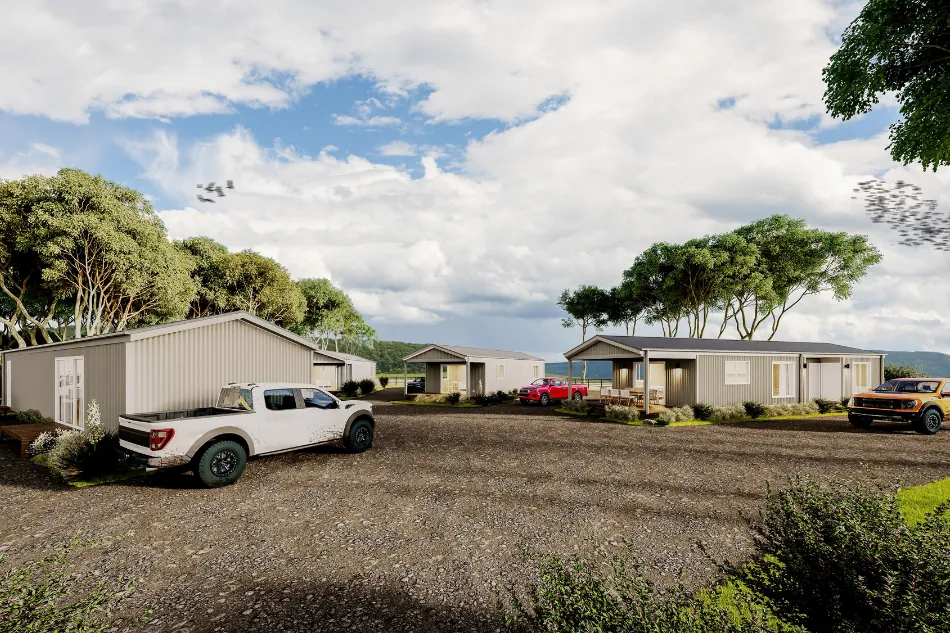
Learn how scalable worker housing helps farm operators meet current demand, plan for growth and avoid committing to excess capacity too early.

Planning multiple modular housing units? Learn what to check for power, water and wastewater before you lock in site layouts or unit numbers.
Modular housing cost Australia explained: see the seven budget areas beyond the unit price, from freight and footings to approvals and services.