



The AHURI worker accommodation barriers boil down to six practical blockers: visa settings, standards, understanding, tight markets, land, and new supply. Here’s what each one means for employers — and what to do next.


HUGE SALE NOW ON MODULAR HOUSING! MASSIVE SAVINGS UP TO $30,000
If you employ people in regional Australia, you’ve probably felt it already: the AHURI worker accommodation barriers aren’t “nice-to-have” issues. They decide whether you can recruit, roster, and keep good staff — or keep burning time and money on last-minute fixes.
Smart farm managers who know good housing keeps good people are already treating accommodation like mission-critical infrastructure, not an admin task.
AHURI Final Report 447 lays it out clearly, and it’s worth reading because it names the real blockers and backs it with evidence and policy options.
See the full report here – ahuri.edu.au
AHURI points out a simple chain reaction.
When accommodation is short, workers end up in unaffordable, low-quality, overcrowded, and precarious housing. That makes it harder for businesses to attract and retain a workforce.
Also, where accommodation is employer-provided, workers can be more vulnerable to inappropriate housing and overcharging, and less likely to raise concerns.
So, if you provide accommodation (or control access to it), this lands right in the middle of your operational risk.
AHURI’s executive summary lists the main barriers to innovative accommodation provision as:
Below is what that looks like in plain employer terms.
AHURI says visa regulations have a strong influence over accommodation provision and worker behaviours and choices.
If your workforce relies on visa programs, accommodation becomes part of your labour supply chain. You can’t treat it as an optional extra. If the housing offer is weak, you’ll feel it through churn, no-shows, and constant recruitment.
AHURI flags accommodation standards as a barrier, and also notes that accommodation is often designed for seasonal stays but gets used by long-term workers too.
“Meets minimum” can still be a bad outcome. You might spend money and still wear the soft-dollar pain:
AHURI calls out the comprehension of accommodation standards as a barrier.
If workers don’t understand what’s acceptable, problems often don’t get reported early. They surface later as bigger issues: safety incidents, hygiene problems, overcrowding, or disputes. That’s harder and more expensive to fix.
AHURI states that worker accommodation becomes a barrier to participation in regional labour markets when there are shortages.
In a tight market, you aren’t competing with other employers. You’re competing with a lack of supply. That’s why “we’ll just pay more” often doesn’t solve it.
You end up with roles you can’t fill, even when the work is there.
AHURI lists the availability and cost of land as a main barrier.
Land is often the hidden handbrake. Even when you have budget and intent, you get stuck on:
AHURI also flags planning mechanisms to secure land and encourage investment as a policy option. ahuri.edu.au
AHURI lists construction of new supply as the sixth barrier.
Traditional builds can be slow, variable, and exposed to regional trade availability. That makes delivery dates harder to lock in. It also makes ROI harder to defend internally.
And if you need accommodation for this season, “we’ll build something next year” is not a plan.
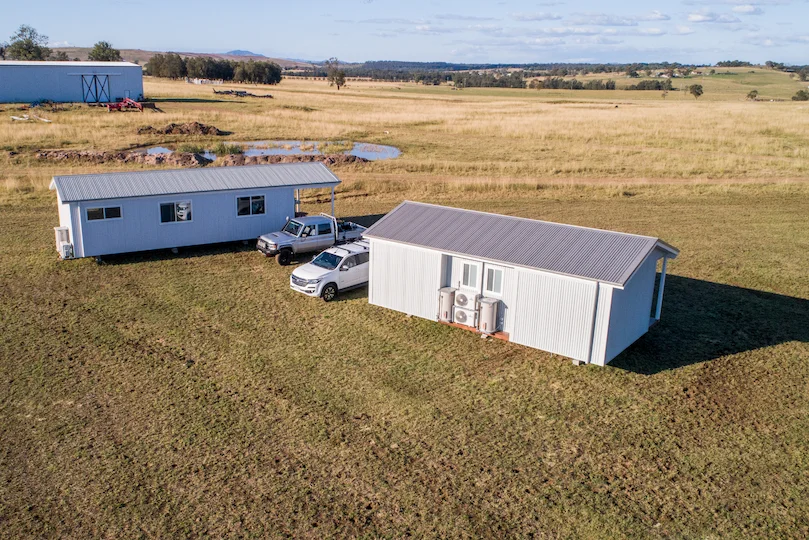
This is where modular often makes commercial sense. It’s faster, more predictable, and easier to scale when your workforce demand changes.
If you’re providing accommodation under the PALM scheme, the scheme sets clear expectations. For example, accommodation must be fair and good value, have transparent costs, be fit for purpose and in good condition, and be accessible, safe and secure (plus other requirements). palmscheme.gov.au
Also, if you deduct anything from pay (including accommodation-related deductions), Fair Work is clear: you can only deduct in limited situations, and there can be penalties if rules aren’t followed. Fair Work Ombudsman
No panic needed. Just don’t run accommodation on handshake arrangements.
AHURI lists policy development options to address these barriers. They include:
For employers, the message is practical: the solution is system-level, but you still need an on-the-ground plan that protects labour supply now.
When the market can’t house your workforce, you have two choices: keep patching, or add supply.
Aruva builds practical modular housing for people who need to get on with the job. With Aruva, housing delivery is fast, simple and reliable—because it’s backed by a proven system. With Aruva, you get housing that provides a real return on investment: delivered fast and built to last. Aruva Modular
That’s the point: Real Living. Delivered. Accommodation delivered fast and built to last.
If you want to see what’s possible (and how quickly it can land on site), start here: Aruva Modular
Investors who are backing builds that actually pay off are already using reports like this to shape decisions, not just “stay informed”.
If you employ seasonal or mobile workers, AHURI Final Report 447 is worth a proper read — because it names the blockers and spells out what government and industry can do to clear them.
See the full report here – ahuri.edu.au

Download your copy of our Accommodation Guide.
Aruva’s experienced team will collaborate with you about our modular accommodation solutions.

Talk to us about your property, timeline and requirements.

We’ll supply a proposal based on your design preference.

Place your order! We’ll build and install your new modular accommodation.
There’s no place like home, right? Your staff can spend their evenings in comfort and style, relaxing and connecting with friends and family, and then recharge their batteries with some quality zzzzs.


Our Resources
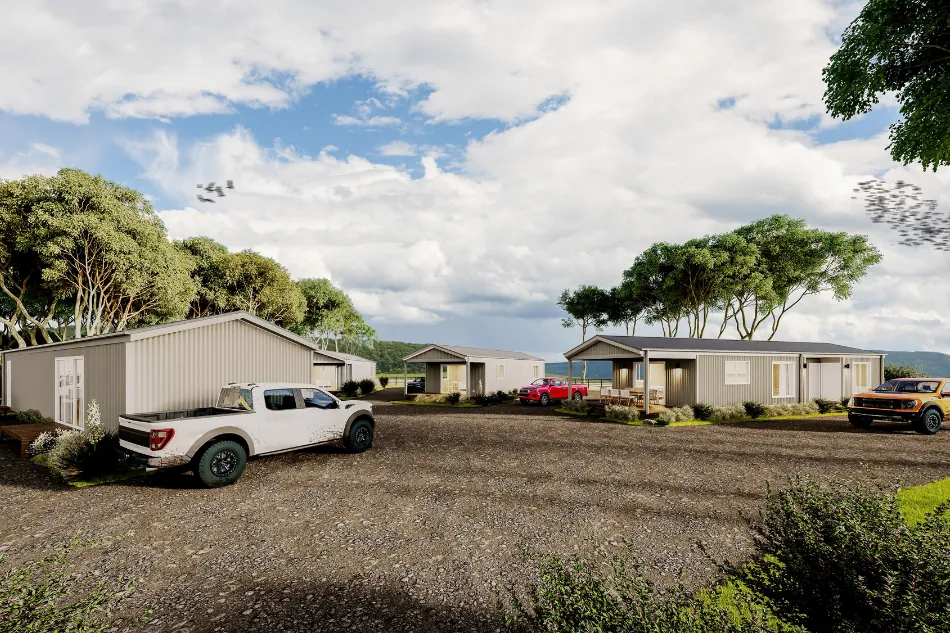
Learn how scalable worker housing helps farm operators meet current demand, plan for growth and avoid committing to excess capacity too early.

Planning multiple modular housing units? Learn what to check for power, water and wastewater before you lock in site layouts or unit numbers.
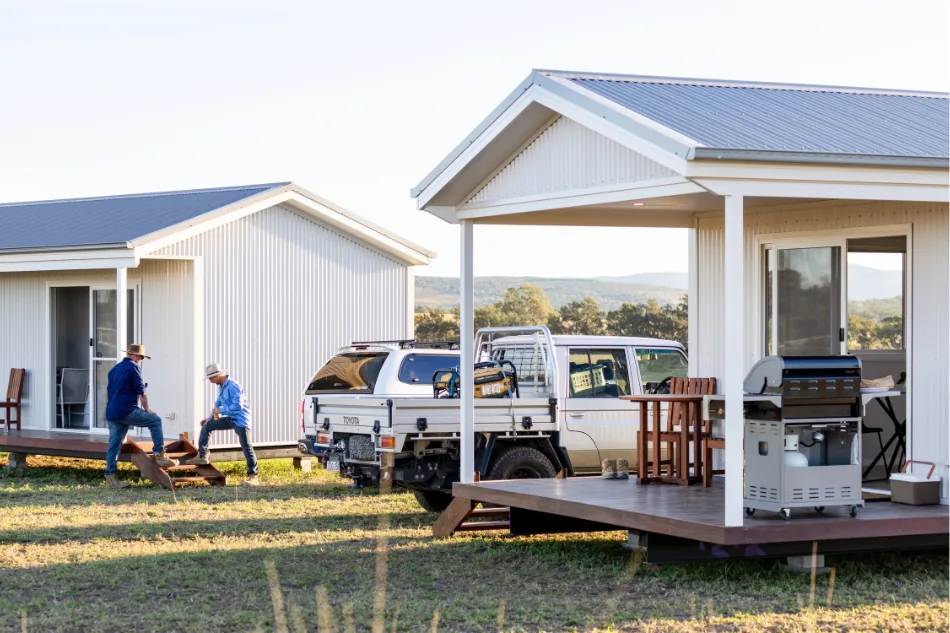
Modular housing cost Australia explained: see the seven budget areas beyond the unit price, from freight and footings to approvals and services.