



Ever caught yourself pondering the future of your family farm? Well, you wouldn’t be the only one wondering how to keep the family on the farm!


HUGE SALE NOW ON MODULAR HOUSING! MASSIVE SAVINGS UP TO $30,000
Ever caught yourself pondering the future of your family farm? Well, you wouldn’t be the only one wondering how to keep the family on the farm!
Did you know that according to the Australian Bureau of Statistics, the number of farming families in Australia decreased by 22% between 1986 and 2001.
Wow.
So handing over the reins is something that’s very needed, very important.
But it isn’t just a straightforward thing, and there are countless farmers out there losing sleep over how to convince the next generation that it’s in their best interests to get on board.
From our observation it’s a journey that’s not really that easy, but hey it’s a journey that’s certainly possible, because there are many others that have already travelled it – it just needs a good dose of planning, lots of chatting, and a sprinkle of innovation.
So if you’re up for guiding the next generation into the farm stewardship, this article is your all-in-one guide. As part of our transparent approach to things, we’re diving into everything from kicking off those early conversations to exploring some out-of-the-box ideas.
Initiating the journey of transferring farmland to a family member begins with early and open conversations with the kids.
It’s not just about the practical aspects either – although we’re sure that’s important – but it’s about understanding and embracing the dreams and aspirations each family member holds for both the farm and their own personal life.
See, the reality is that everyone has different ideals, and it’s perfectly fine if one or more of the kids doesn’t envisage the farm in their future. The key here is to make sure they’re listened to, because when that happens, then they’ll be open to the flip side of the coin – hearing about what the farm has to offer them.
We know this is easy to say (or write!) but keeping it real, transparent, and ensuring everyone is on the same page really does lay the foundation for a successful plan.
Mmmm, we get it, you’re the guru. You’re the one that can run the farm blindfolded. And hey, we respect this, we believe it’s important for the next generation to see that your knowledge and experience of the farm is invaluable.
But a secret ingredient in helping them to stay home for the long run is to get the kids heavily involved in the decision-making process. We can’t stress this enough, it’s really important.
There’s always an element of risk in handing over, and this especially shows up in decision-making. But pick your battles, give them some rope, and let them make some choices that won’t break the bank but will give them a sense of ownership, and that’s what this stage is all about.
Yeah, sure, there might be a hiccup or two, but that’s all part of the learning process. It’s a business, and tackling challenges head-on is how you learn the ropes. Plus, when things go well, they’ll feel on top of the world.
Including them in the process of deciding on what to do when and how gives them a sense that they’re contributing, it instils a sense of responsibility, and it ultimately ensures a smoother operation of the farm anyway.
Well that was a bit cryptic, money matters, or does it? Jokes aside, money does matter, but we do want to say that it’s not everything. In fact, it’s actually lower down the list than you might think.
What the next generation deeply crave is a sense of belonging, a meaningful feeling of satisfaction in what they’re doing. And that’s why we put decision-making first.
You might be a bit terrified about opening the books up to the kids, but trust us, it’s a powerful way of unlocking their sense of ownership. You’ll be amazed at just how responsibly they’ll respond and how helpful they’ll be to you as a reward for doing it.
But establishing the ins and outs of the financial side of how the farm will be passed down isn’t easy.
We’d strongly recommend that you make sure you’re in the know the following items before you lay it all out at the kitchen table –
But it’s even more than that, it will involve a chat with your accountant or financial advisor. And maybe even your attorney and anyone else you respect. Maybe even a colleague who’s been through it before and can give you sound advice.
This is an area where you need to do your homework to make sure you’ve got a reasonable grasp that will allow you to explain it to the kids. Getting the dollars and cents worked out can seriously help to sweeten the deal for that son or daughter that you’re hoping to handball the farm to.
Here’s a great resource from the NSW Government, which talks about succession planning and offers lots of information including checklists and videos – well worth spending a bit of time on it.
Now, let’s throw some different ideas on the barbie. Aussie farming isn’t just about the traditional stuff. Chat with the kids about exploring new avenues –
They’re young and smart – they’ve probably embraced technology in many ways in their life already. So hey what a great idea to invite them to embrace the tech and innovation wave in farming!
It’s almost endless – from precision farming to drones and smart practices. And remember, with the growing global demand for our tucker, there’s a world of opportunity out there.
Here’s some more info on the topic of exploring new opportunities:
Every man needs his castle – no one is going to come anywhere near the farm if there’s not a spot that they can call home.
We’re talking about good accommodation, really decent accommodation that makes it all worthwhile if they’re putting down roots. It goes without saying that they’ll need a comfy, private spot to call their own.
Beyond the joy of being out in the paddocks, superior accommodation plays a pivotal role in cultivating a deep connection to the land.
You want to make sure they have a place where, after a day of hard work, the warmth of a space they call home and get a great night’s sleep is there for them.
Of course, there are plenty of different types of accommodation, from getting a traditional home built to bringing in a modular home. Or even doing up a dilapidated 1920’s home on the back paddock.
Whatever it is, it needs to be given some serious consideration, but especially in the light of what works for the next generation.
We’ve seen it before where the older generation brings in a really neat single module home for themselves and allows the younger generation to move into the traditional homestead. Or the younger generation moves into the module for a few years while the succession is happening.
Whichever way you look at it, having the right accommodation on the farm, close to the action, for the persons you need, is simply a no-brainer. Don’t skip this spice in the recipe – it will ruin the whole cake and you’ll wonder why the next generation walked away.
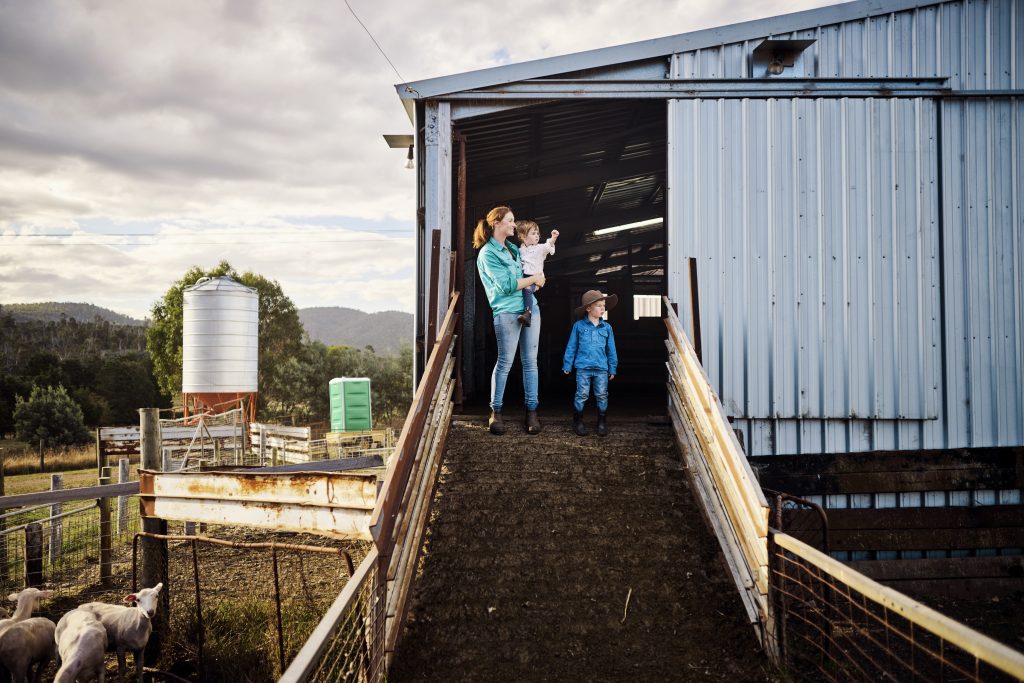
Now it’s time to take the first step and set up that first family meeting. With this guide, and our downloadable checklist in hand, you’ll put your family on the right path for an enjoyable farming future.
Here’s to the next generation keeping the farm fires burning bright!

Download your copy of our Accommodation Guide.
Aruva’s experienced team will collaborate with you about our modular accommodation solutions.

Talk to us about your property, timeline and requirements.

We’ll supply a proposal based on your design preference.

Place your order! We’ll build and install your new modular accommodation.
There’s no place like home, right? Your staff can spend their evenings in comfort and style, relaxing and connecting with friends and family, and then recharge their batteries with some quality zzzzs.


Our Resources
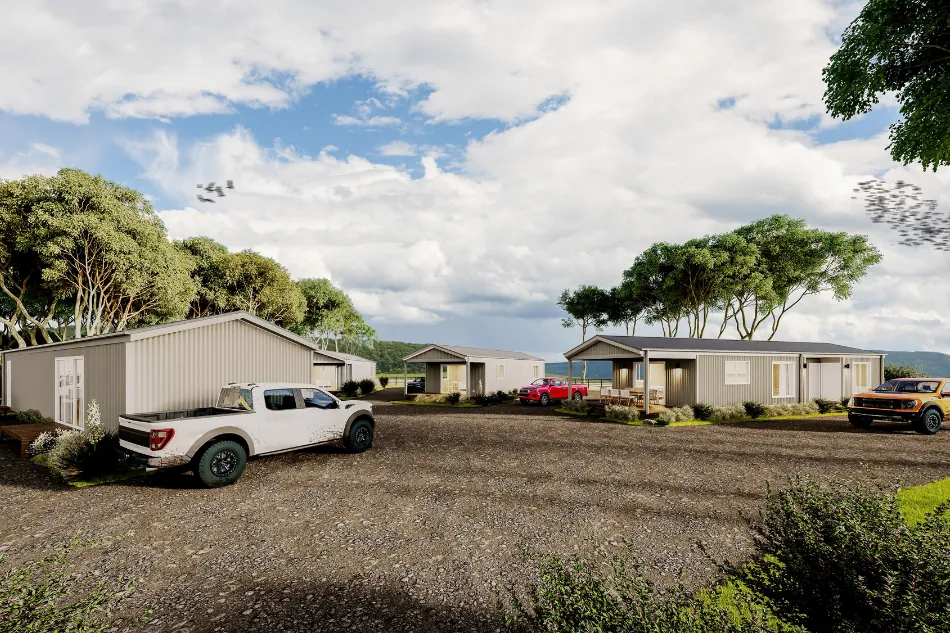
Learn how scalable worker housing helps farm operators meet current demand, plan for growth and avoid committing to excess capacity too early.
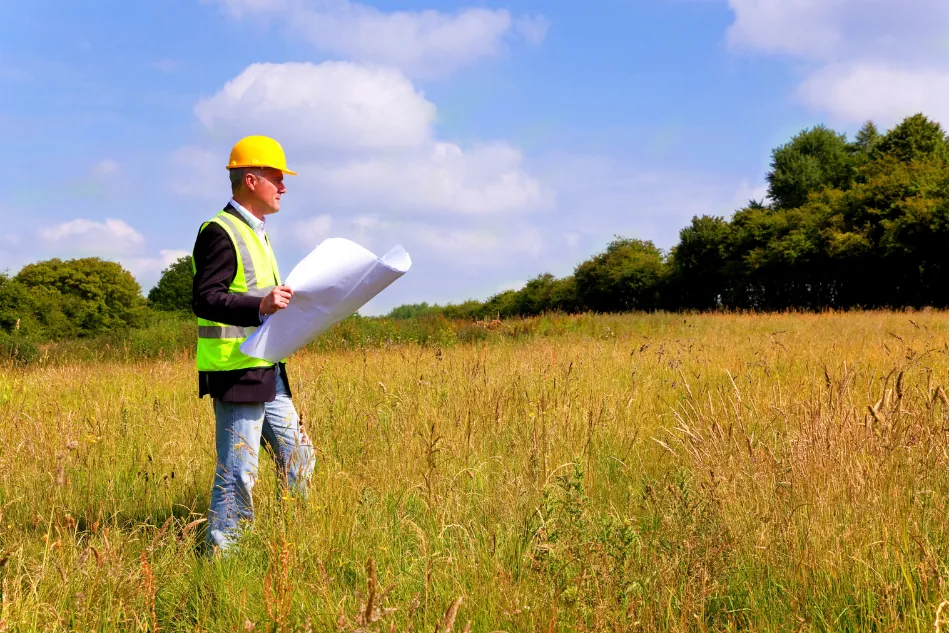
Planning multiple modular housing units? Learn what to check for power, water and wastewater before you lock in site layouts or unit numbers.
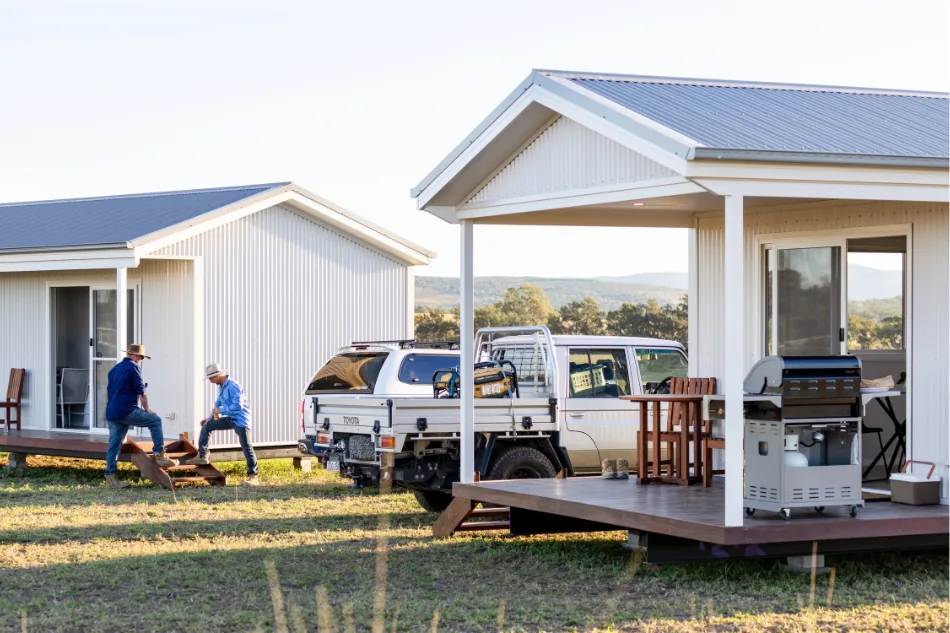
Modular housing cost Australia explained: see the seven budget areas beyond the unit price, from freight and footings to approvals and services.