



Learn how to navigate visa regulations for hiring backpackers on your farm. Ensure compliance and maximise the benefits of this valuable workforce.


HUGE SALE NOW ON MODULAR HOUSING! MASSIVE SAVINGS UP TO $30,000
Hiring backpackers can be a game-changer for your farm, providing the extra hands needed during peak seasons and bringing a vibrant mix of cultures and skills to your workforce. However, understanding and navigating visa regulations is crucial to ensure a smooth and legal hiring process.
This blog will guide you through the key visa requirements and regulations for employing backpackers on your farm, helping you stay compliant while reaping the benefits of this valuable labour force.
Backpackers typically come to Australia on visas that allow them to work while travelling. The most common visas for backpackers interested in farm work are the Working Holiday Visa (subclass 417) and the Work and Holiday Visa (subclass 462). Here’s a brief overview of these visas:
Verify Visa Status
Before hiring a backpacker, it is essential to verify their visa status and work rights. Use the Visa Entitlement Verification Online (VEVO) system provided by the Australian Government to check the visa details and work conditions of your prospective employees.
Understand Work Limitations
Be aware of the work limitations imposed by the visa type, such as the six-month employment limit with the same employer. Plan your hiring and workforce management accordingly to ensure compliance with these restrictions.
Provide Appropriate Work Conditions
Ensure that the working conditions you offer comply with Australian labour laws, including fair wages, safe working environments, and proper documentation. This not only ensures legal compliance but also helps attract quality backpackers.
Complete Required Documentation
Keep thorough records of your employees’ visa details, work periods, and any relevant correspondence. This documentation is crucial for compliance checks and audits by immigration authorities.
Understand Tax Obligations
Backpackers on working holiday visas are subject to different tax rates. Familiarise yourself with the tax obligations for employing backpackers, including registering as an employer and withholding the correct amount of tax from their wages.

Understanding Visa Requirements
Solution: Stay updated with the latest visa regulations and requirements by regularly visiting the Australian Government’s Department of Home Affairs website. Consider consulting with a migration agent if you have specific questions or complex cases.
Managing Workforce Turnover
Solution: Given the short-term nature of backpacker employment, plan for workforce turnover by maintaining a continuous recruitment process. Use online platforms and backpacker networks to find and attract new workers as needed.
Ensuring Compliance with Work Limits
Solution: Implement a tracking system to monitor the employment duration of each backpacker. This helps
ensure that no employee exceeds the allowed work period with your farm, maintaining compliance with visa
conditions.
Benefits of a Smooth Hiring Process
Navigating visa regulations and ensuring compliance might seem daunting, but the benefits of a smooth hiring process are significant:
Legal Peace of Mind
Ensuring that all backpackers are legally employed provides peace of mind and protects your farm from potential fines or legal issues related to non-compliance.
Attracting Quality Workers
A reputation for fair treatment and compliance with legal requirements attracts quality backpackers, making your farm a preferred destination for seasonal workers.
Operational Efficiency
By understanding and adhering to visa regulations, you can streamline your hiring process, reduce administrative burdens, and focus on running your farm efficiently.
It does this by providing the necessary workforce during busy periods and enriching your team with diverse skills and experiences. Understanding and navigating visa regulations is crucial to ensure a smooth, legal hiring process. By verifying visa status, adhering to work limitations, providing appropriate work conditions, and keeping thorough documentation, you can successfully integrate backpackers into your workforce.
Stay tuned for the next blog in our series on running a farm with backpackers, where we will delve into creating a safe and welcoming environment for your backpacker workforce.

Download your copy of our Accommodation Guide.
Aruva’s experienced team will collaborate with you about our modular accommodation solutions.

Talk to us about your property, timeline and requirements.

We’ll supply a proposal based on your design preference.

Place your order! We’ll build and install your new modular accommodation.
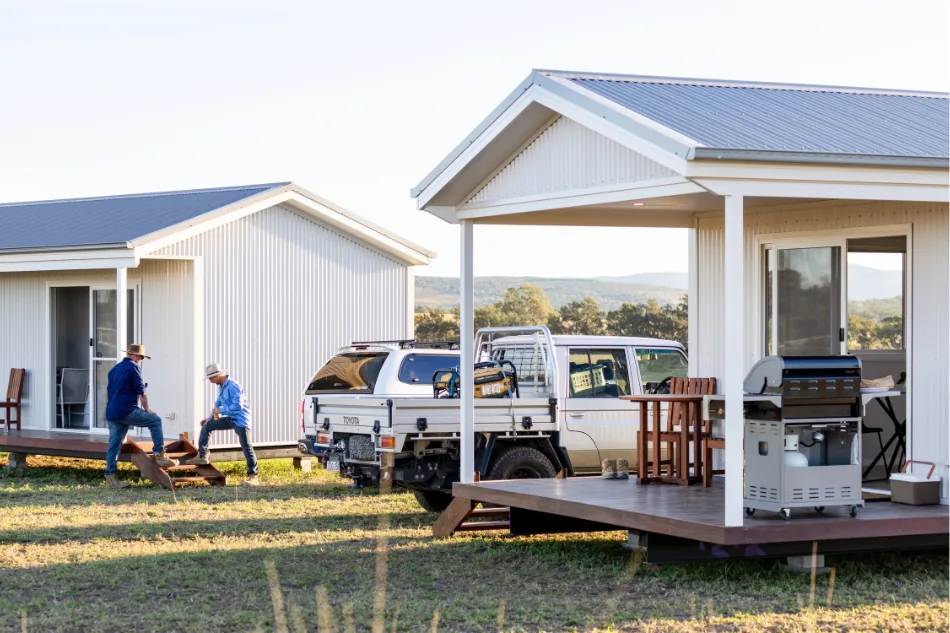
There’s no place like home, right? Your staff can spend their evenings in comfort and style, relaxing and connecting with friends and family, and then recharge their batteries with some quality zzzzs.


Our Resources
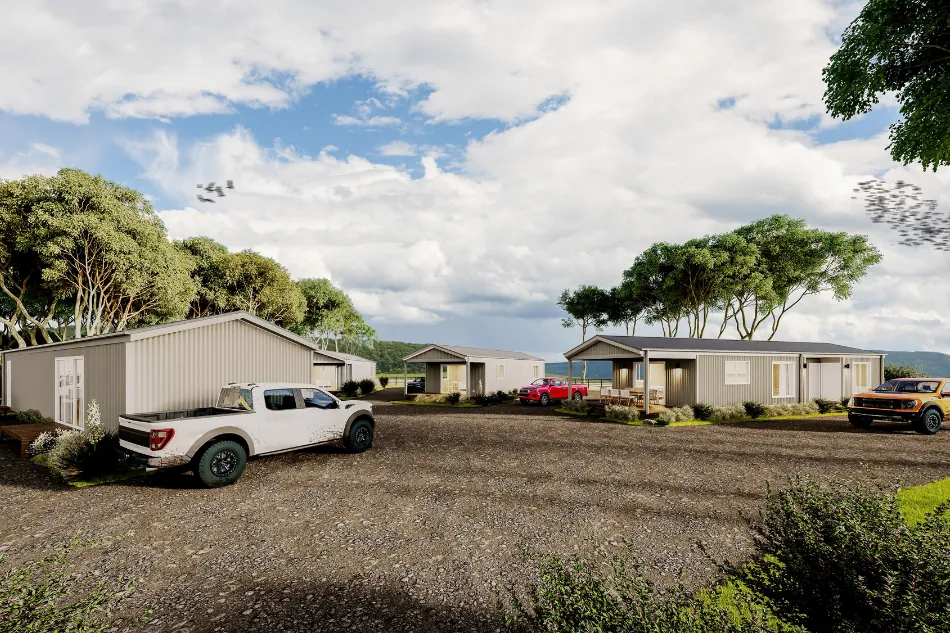
Learn how scalable worker housing helps farm operators meet current demand, plan for growth and avoid committing to excess capacity too early.

Planning multiple modular housing units? Learn what to check for power, water and wastewater before you lock in site layouts or unit numbers.
Modular housing cost Australia explained: see the seven budget areas beyond the unit price, from freight and footings to approvals and services.