



PALM scheme housing standards — explained simply. Understand who must comply, what qualifies, and where most get it wrong. Practical guidance for approved employers.


HUGE SALE NOW ON MODULAR HOUSING! MASSIVE SAVINGS UP TO $30,000
Let’s clear this up: if you’re using seasonal workers under the PALM scheme, you’ve got to house them properly.
But what does “properly” mean — and who actually has to meet these rules?
This blog breaks down the PALM scheme housing standards without the red tape. No waffle. Just what you need to know to stay compliant, protect your team, and get on with the job.
Smart farm managers who know good housing keeps good people are already across this. Here’s how to get it sorted.
The PALM scheme (Pacific Australia Labour Mobility) allows approved employers to bring in workers from the Pacific Islands and Timor-Leste for seasonal or long-term jobs — mainly in ag, food processing, and remote essential services.
If you’re an approved employer under this scheme, you have legal obligations — including providing safe, decent, and fair accommodation.
Here’s what counts as acceptable under the PALM scheme:
These are the basics. Get them right, and you’re on safe ground.
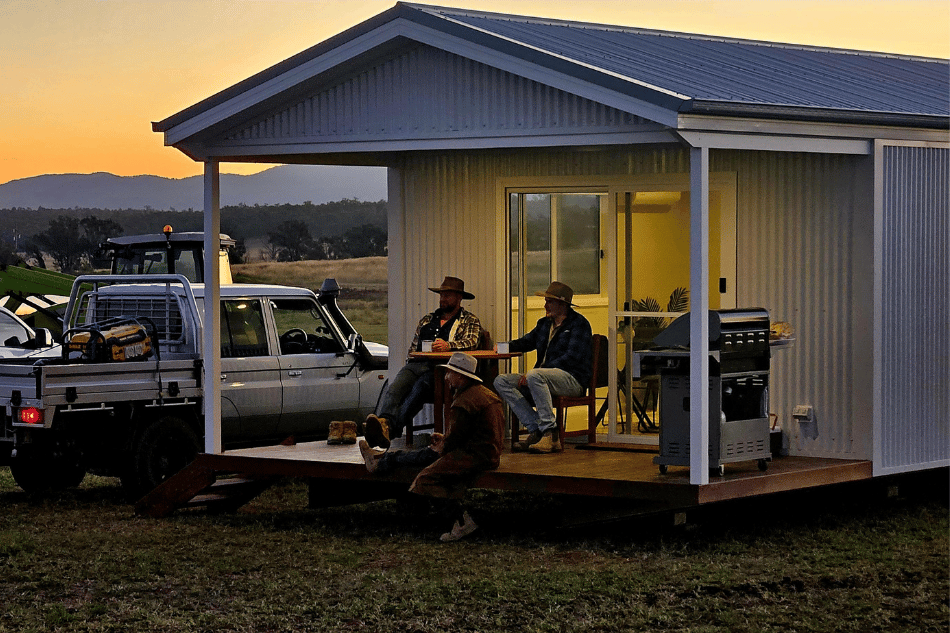
These standards apply only to PALM scheme workers, and only if you’re providing their accommodation.
If the worker sorts their own housing (by choice), or you’re hiring local casuals or backpackers, these rules don’t directly apply — but they’re a good benchmark.
✅ Example 1 – Fruit grower, QLD
This grower brings in 20 workers from Tonga for harvest season. They lease four nearby houses, each with beds, working kitchens, laundry facilities and proper bathrooms. The rent is fair and split equally. Women are housed separately with their own bathroom. Spot checks pass with no issues.
✅ Example 2 – Dairy farm, VIC
A regional dairy employs 10 PALM workers year-round. The accommodation is an older house on the property, but it’s been cleaned up: new mattresses, working fire alarms, and separate male/female bathrooms. The house is insulated and has heating. Workers walk 5 minutes to the jobsite. Fully compliant.
❌ Example 3 – Veg packhouse, WA
Ten workers are placed in an old shed on the property. Mattresses are laid on the concrete floor. There’s one toilet, no hot water, and a microwave on a bench. No cooling in summer. Men and women are mixed in one open room. Rent is deducted from pay with no clear breakdown.
Result: Fails PALM standards. Likely to be flagged in an audit — and puts the employer at risk of losing their approval.
Providing PALM-compliant housing isn’t about red tape. It’s about risk management, workforce stability, and being able to expand without cutting corners.
Aruva builds modular housing that meets PALM scheme housing standards from the start.
That means:
Investors who are backing housing that actually delivers a return are choosing Aruva because it’s a system that works.

Download your copy of our Accommodation Guide.
Aruva’s experienced team will collaborate with you about our modular accommodation solutions.

Talk to us about your property, timeline and requirements.

We’ll supply a proposal based on your design preference.

Place your order! We’ll build and install your new modular accommodation.
There’s no place like home, right? Your staff can spend their evenings in comfort and style, relaxing and connecting with friends and family, and then recharge their batteries with some quality zzzzs.


Our Resources
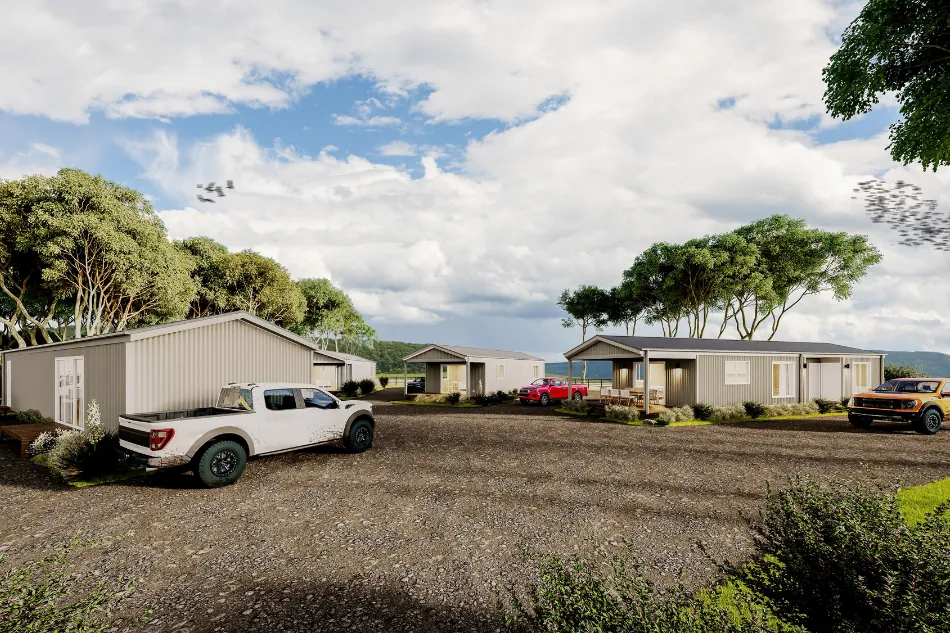
Learn how scalable worker housing helps farm operators meet current demand, plan for growth and avoid committing to excess capacity too early.

Planning multiple modular housing units? Learn what to check for power, water and wastewater before you lock in site layouts or unit numbers.
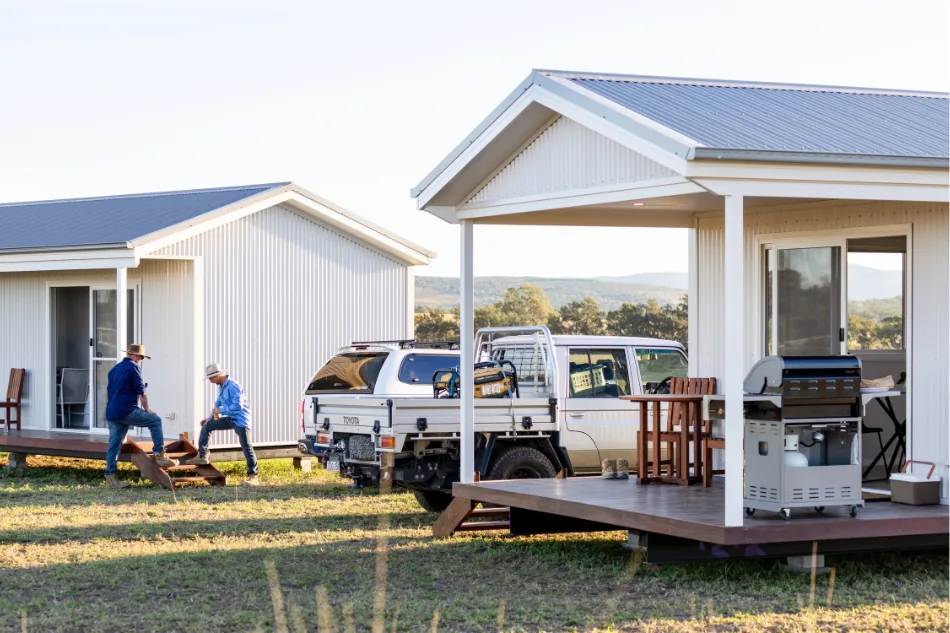
Modular housing cost Australia explained: see the seven budget areas beyond the unit price, from freight and footings to approvals and services.