



How many people per bedroom in worker accommodation? Practical limits, WHS risks, and a simple checklist to set a clear, defensible standard.


HUGE SALE NOW ON MODULAR HOUSING! MASSIVE SAVINGS UP TO $30,000
How many people per bedroom in worker accommodation sounds like a simple question until it isn’t. Someone asks, “Can we fit another bloke in?” and suddenly you’ve got poor sleep, complaints, and tension. This isn’t about being fancy. It’s about what’s reasonable, what’s safe, and what you can stand behind if anyone asks later.
Smart farm managers who know good housing keeps good people don’t treat this as optional. They set a baseline early, then stick to it.
(General information only — always check the requirements that apply to your situation and location.)
In most cases, the “limit” comes down to a clear baseline:
Why? Because once you go beyond two, the problems grow quickly. Sleep, privacy, hygiene, and fatigue all get worse. And those aren’t “soft” issues. They affect safety and performance.
SafeWork NSW guidance makes it clear that if you provide or choose accommodation for workers away from home, you still have WHS duties to ensure it doesn’t create health and safety risks.
Not all “sharing” is equal. Spell this out internally so everyone’s on the same page.
Shared bedroom
Two or more people in the same bedroom, with separate beds.
Shared bed (“hot-bedding”)
Workers rotate through the same bed across shifts.
In modern worker accommodation, hot-bedding is where things usually fall apart. Many employer standards require each worker to have their own bed, and only allow bed sharing for couples.
So, keep it simple:
Here’s the practical test:
If bedroom sharing increases fatigue, stress, illness, or conflict, it’s a WHS risk — not just a comfort problem.
Safe Work Australia’s model code covers the basics that matter when people live on-site or away for work, such as ventilation, lighting, washing facilities, toilets, dining areas, and storage.
So yes, headcount matters. However, conditions matter more.
Bedroom sharing can work, but only when the setup is right. If any of the below apply, the safe “limit” often drops.
1) Shift work and roster clashes
If one person is coming off night shift and another is getting up at 5 am, sleep gets smashed. Then fatigue rises. After that, mistakes follow.
2) Long stays (weeks or months)
A room-share that’s “fine for a few nights” often becomes a problem after a few months. People need personal space. Otherwise, small issues turn into big ones.
3) Heat, ventilation, and noise
Two people in a hot, stuffy room is not minor. It affects sleep and health. Plus, poor airflow can increase mould and hygiene risks.
4) No privacy, no security, no storage
If workers can’t lock the room or store valuables, tension builds. Also, privacy matters for basic dignity. That’s especially true over longer stays.
5) Amenities don’t match the headcount
If you double bedrooms but don’t lift showers, toilets, laundry, and kitchen capacity, bottlenecks are guaranteed. Then hygiene drops and frustration climbs.
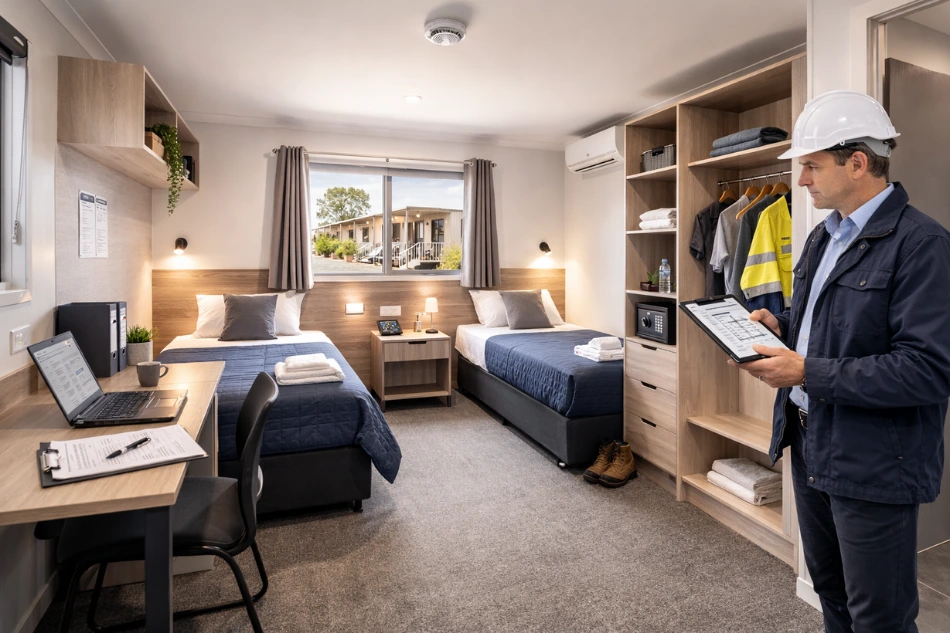
Most managers want a rule that’s simple and defensible.
This won’t cover every scenario. Still, it works in most real-world setups because it matches the way risk increases.
There isn’t one national “magic number” for all accommodation types. Rules can change depending on the state and how the accommodation is classified.
For example, Victoria’s rooming-house guidance uses floor area to set bedroom capacity: under 12 m² is generally single occupancy; 12 m² or more may allow two; and capacity increases with more floor area.
That doesn’t automatically apply to every worker setup. However, it shows the general logic regulators use: space and liveability matter, not just “number of beds.”
If you’re housing PALM scheme workers, there are accommodation requirements that point back to complying with relevant state/local rules and avoiding overcrowding.
So, don’t guess. Instead, confirm what bucket you’re in.
Use this before you add another person to a room.
1) How long are people staying?
2) Are rosters aligned?
Same shift patterns helps. Different shifts makes sharing much harder.
3) Does each person have real personal space?
Each occupant should have:
4) Is privacy handled properly?
A lockable room is a big deal. So is a reasonable space to change and live without feeling on display.
5) Are amenities scaled properly?
Check:
6) Have you asked the workers?
Consultation is part of WHS done properly. Safe Work Australia guidance emphasises managing facilities and the work environment to prevent harm.
Even so, keep it practical:
If you want consistency, write a short policy. That stops constant debate.
Worker bedroom sharing policy (example):
That’s clear. It’s also defensible.
How many people per bedroom in worker accommodation has a limit. The limit shows up before things become a mess. Once you’re dealing with fatigue, conflict, or high turnover, you’ve already paid for it.
Housing managers who are smart about getting the right balance across budgets and outcomes set standards early. Then they review them as the job changes. That’s how you protect your people and keep the operation running smoothly.

Download your copy of our Accommodation Guide.
Aruva’s experienced team will collaborate with you about our modular accommodation solutions.

Talk to us about your property, timeline and requirements.

We’ll supply a proposal based on your design preference.

Place your order! We’ll build and install your new modular accommodation.
There’s no place like home, right? Your staff can spend their evenings in comfort and style, relaxing and connecting with friends and family, and then recharge their batteries with some quality zzzzs.


Our Resources
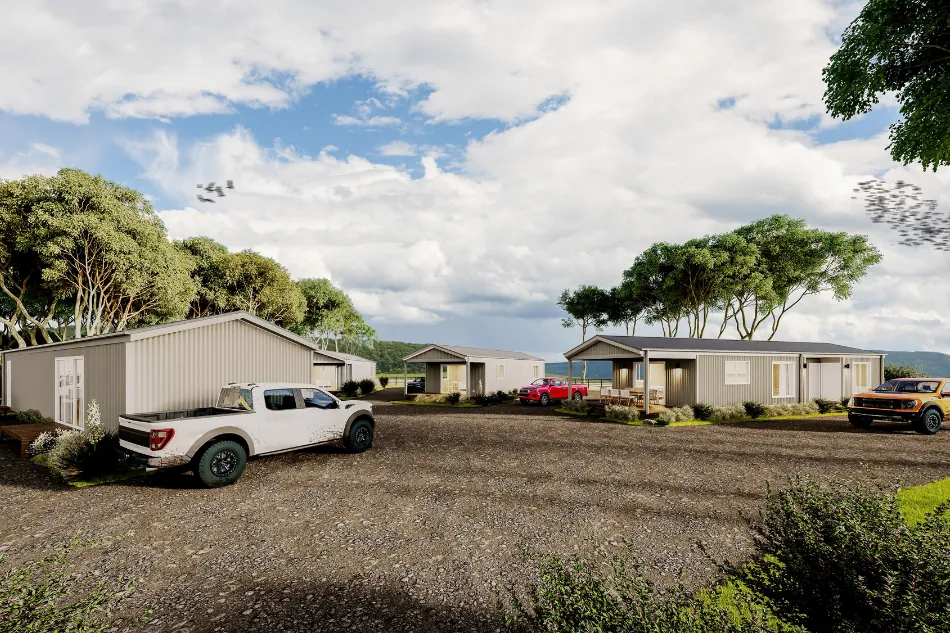
Learn how scalable worker housing helps farm operators meet current demand, plan for growth and avoid committing to excess capacity too early.

Planning multiple modular housing units? Learn what to check for power, water and wastewater before you lock in site layouts or unit numbers.
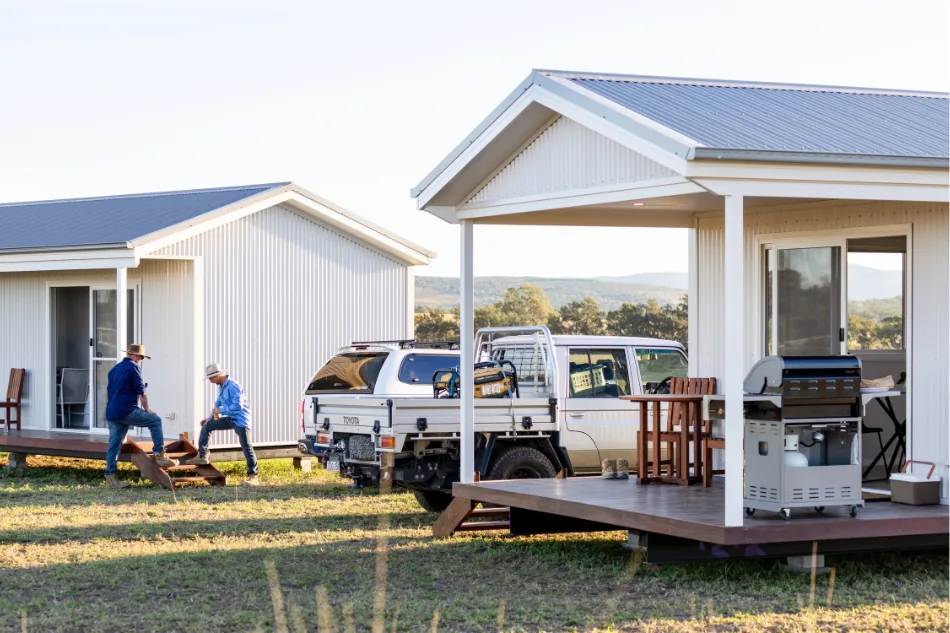
Modular housing cost Australia explained: see the seven budget areas beyond the unit price, from freight and footings to approvals and services.