



Wet areas that don’t wear out need the right bathroom and laundry choices. Learn what to include, what to avoid, and why it matters.


HUGE SALE NOW ON MODULAR HOUSING! MASSIVE SAVINGS UP TO $30,000
When people buy housing for other people to live in — workers, tenants, guests — wet areas take the biggest beating.
That’s why wet areas that don’t wear out aren’t about luxury. They’re about durability, hygiene, and fewer maintenance headaches.
However, laundries often get left out. Bathrooms also get under-specced. Then the site pays for it later through downtime, repairs, and frustrated occupants.
Smart housing managers who know good housing keeps good people don’t treat wet areas as an afterthought. They treat them as the part of the building that proves quality.
A wet area in a private home often gets treated gently. In accommodation, it’s different.
For example, you may have:
So a bathroom can look fine on day one. Yet it can feel tired fast if the choices weren’t right.
If you’re housing workers or tenants, excluding the laundry rarely saves money. Instead, it shifts the cost elsewhere.
Without a laundry, you often see:
A tough laundry doesn’t need to be huge. It simply needs to be usable.
To build a laundry that lasts, prioritise:
That’s not “premium”. It’s practical accommodation design.
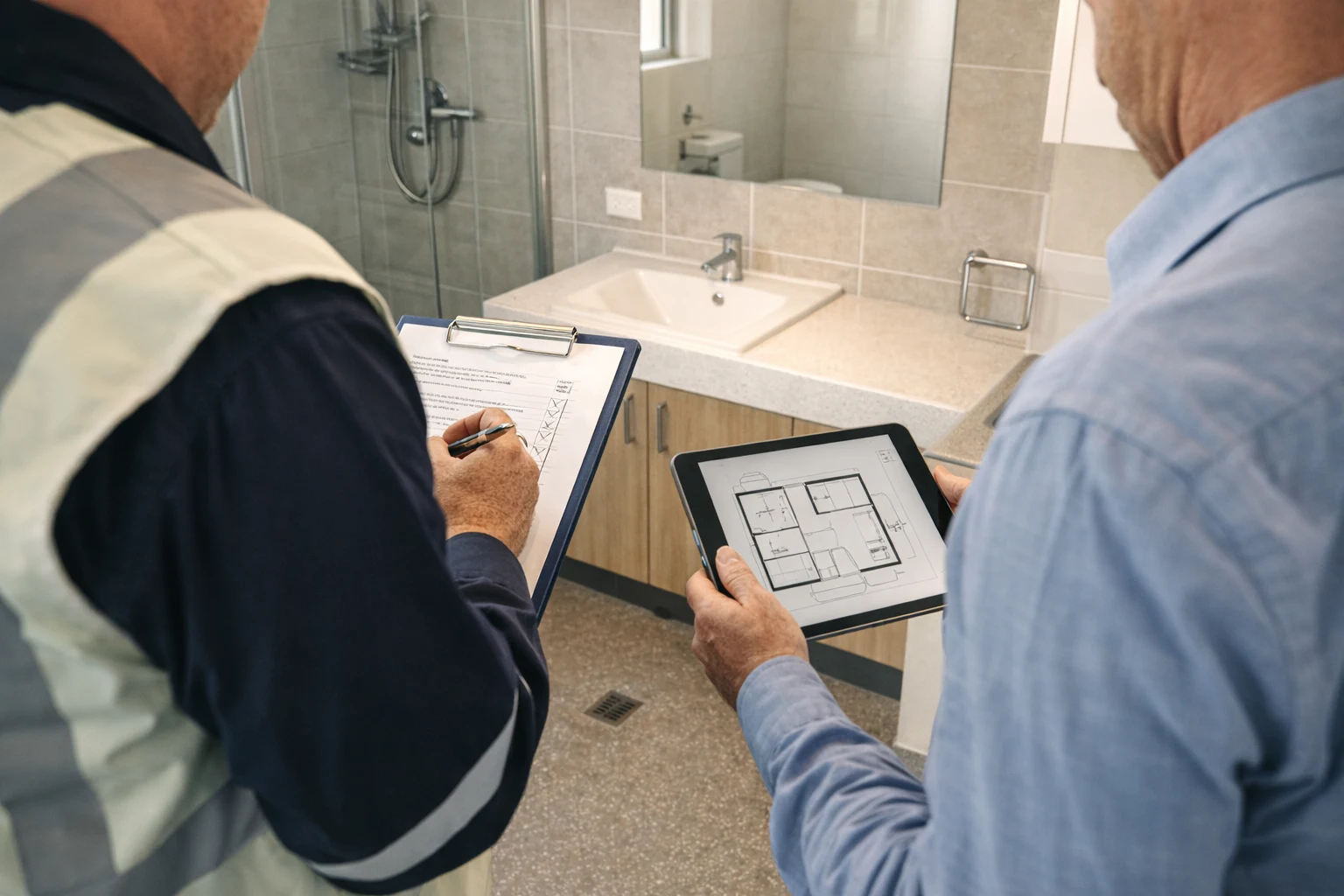
Bathrooms fail in predictable ways. Water ends up where it shouldn’t. Ventilation underperforms. Finishes don’t suit hard use.
So here’s what to look for.
A bathroom can look great and still fail. Waterproofing and falls decide whether it lasts.
Also, ask how wet areas get checked before handover. In modular, consistency matters. When you standardise a proven system, you get repeatable outcomes across multiple units.
High-use bathrooms need surfaces that tolerate frequent cleaning.
In practice, that means:
If a wet area needs delicate maintenance rules, it’s the wrong wet area for accommodation.
Moisture that lingers causes mould and smell. It also shortens the life of the room.
So look for:
Ventilation doesn’t photograph well. But it often drives long-term performance.
Small items get punished first: hinges, handles, towel rails, mixers, and shower screens.
That’s why durable wet areas use:
This matters because speed of maintenance reduces downtime.
Traditional wet areas can vary. The result depends on the crew, the weather, and the week.
Modular can reduce that variability. It supports:
So you don’t rely on “one-off perfection”. You build durability into the system.
Wet areas carry extra weight when you’re housing other people.
Get them right and you typically reduce:
At the same time, you lift liveability. That helps with satisfaction and retention.
Housing managers who are smart about getting the right balance across budgets and outcomes know this: quality isn’t optional. It protects the asset and the people living in it.
If you want wet areas that hold up in real accommodation settings, enquire with the Aruva team for a wet area inclusions rundown.
You’ll quickly see what’s standard, what’s worth upgrading, and what will save you grief later.

Download your copy of our Accommodation Guide.
Aruva’s experienced team will collaborate with you about our modular accommodation solutions.

Talk to us about your property, timeline and requirements.

We’ll supply a proposal based on your design preference.

Place your order! We’ll build and install your new modular accommodation.
There’s no place like home, right? Your staff can spend their evenings in comfort and style, relaxing and connecting with friends and family, and then recharge their batteries with some quality zzzzs.


Our Resources
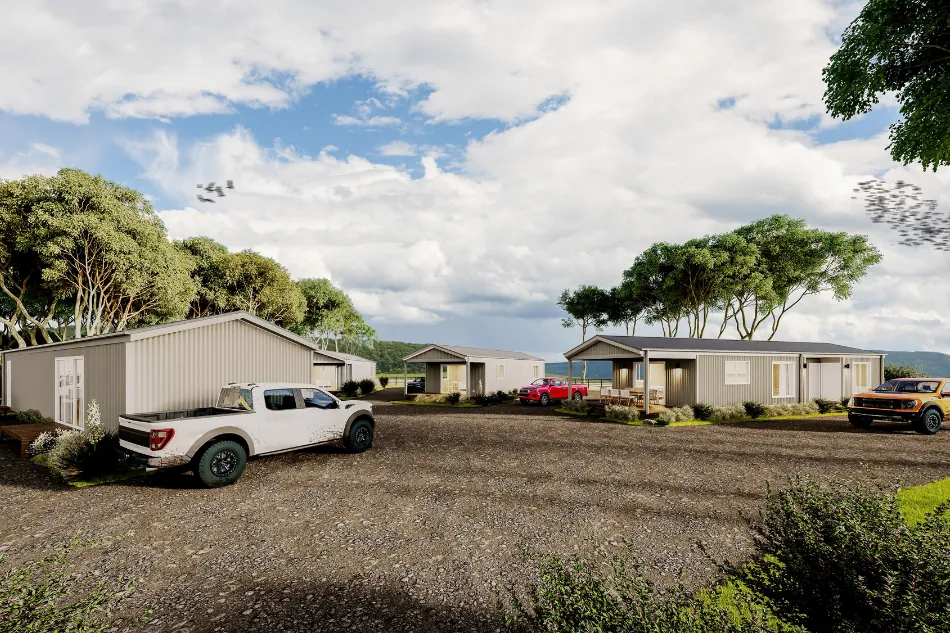
Learn how scalable worker housing helps farm operators meet current demand, plan for growth and avoid committing to excess capacity too early.

Planning multiple modular housing units? Learn what to check for power, water and wastewater before you lock in site layouts or unit numbers.
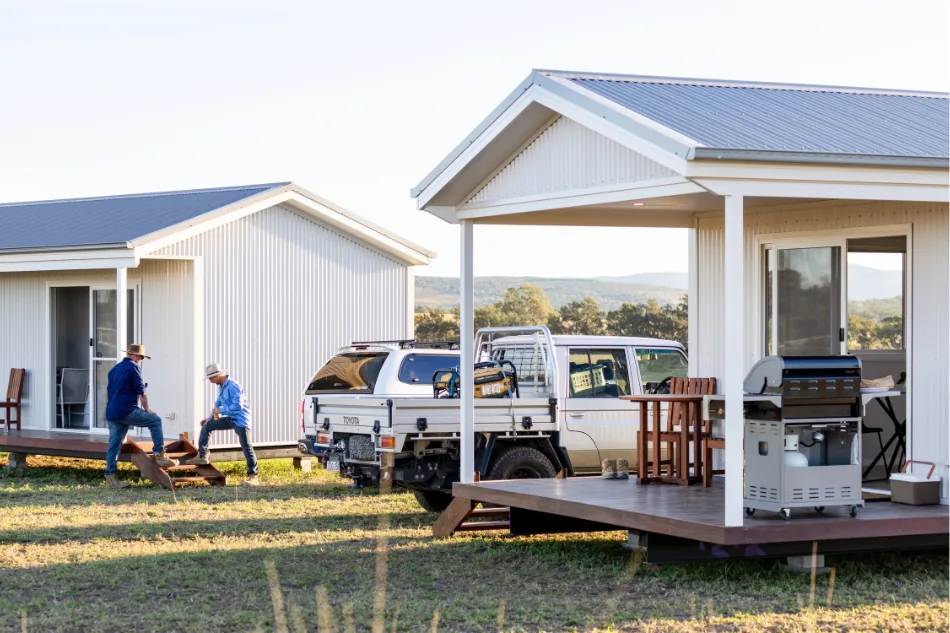
Modular housing cost Australia explained: see the seven budget areas beyond the unit price, from freight and footings to approvals and services.