


Can I finance modular worker accommodation? Yes. Learn how chattel mortgage-style equipment finance works, what to ask, and how to avoid traps.


HUGE SALE NOW ON MODULAR HOUSING! MASSIVE SAVINGS UP TO $30,000
Can I finance modular worker accommodation? Yes — and plenty of people don’t realise it.
Most business owners only think about finance for utes, tractors, and plant. However, modular accommodation can sit in the same “asset finance” bucket, because it’s still a tangible asset that supports your business output.
This is an educational guide to the basics: what the finance structure is, how it usually works, what to watch for, and the questions worth asking before you sign.
And as a simple anchor, the outcome you’re chasing is obvious: real living, delivered — accommodation delivered fast and built to last. The finance just helps you line up cashflow with that outcome.
Here’s the common pattern:
That’s why smart farm managers who know good housing keeps good people tend to treat accommodation as a practical operations decision, not a “nice extra”.
Yes. Aruva’s Easy Finance is presented as a secured equipment loan (previously known as a chattel mortgage) arranged through Earlypay.
In plain English, a chattel mortgage-style loan is a secured business loan where the asset you’re buying becomes the security for the loan — similar in concept to how a vehicle or machinery finance deal works.
So instead of paying the full cost upfront, you finance the unit as an asset.
Think of it as five simple points:
That’s the gist. After that, it’s just details and paperwork.
This approach can make sense because:
In other words, you’re not financing “a building dream”. You’re financing a business asset that supports performance and retention.
Weekly repayments matter. But they’re only one line in the decision.
You also need to understand:
A balloon can help cashflow now. However, it creates a decision later. If you don’t plan for that decision, it can bite.
These questions save money and stress.
Structure + ownership
Costs + terms
Timing + approvals
Earlypay is the provider referenced in Aruva’s Easy Finance setup.
They describe themselves as providing equipment finance and other business finance products, and their equipment finance page outlines typical deal sizes and terms (including 24–60 months).
The practical takeaway is simple: this is not a novelty product. It’s a known finance category applied to a different type of asset.
Different finance structures can change GST timing and deductions. So don’t wing it.
If you’re not sure whether your arrangement looks like hire purchase, leasing, or something else, the ATO has guidance on GST treatment across hire purchase and leasing arrangements.
Bring your accountant in early. It’s usually a quick conversation that prevents expensive assumptions.
Can I finance modular worker accommodation? Yes. For many businesses, chattel mortgage-style asset finance is a practical option, because it treats the unit as what it is: a business asset.
The decision still comes back to basics:
That’s why housing managers who are smart about balancing budgets and outcomes focus on structure, total cost, and end-of-term planning — not just the headline repayment.
If you want to be extra disciplined, run your own quick test:
That’s the kind of decision that leads to real living, delivered — delivered fast and built to last — without the waffle.

Download your copy of our Accommodation Guide.
Aruva’s experienced team will collaborate with you about our modular accommodation solutions.

Talk to us about your property, timeline and requirements.

We’ll supply a proposal based on your design preference.

Place your order! We’ll build and install your new modular accommodation.
There’s no place like home, right? Your staff can spend their evenings in comfort and style, relaxing and connecting with friends and family, and then recharge their batteries with some quality zzzzs.


Our Resources
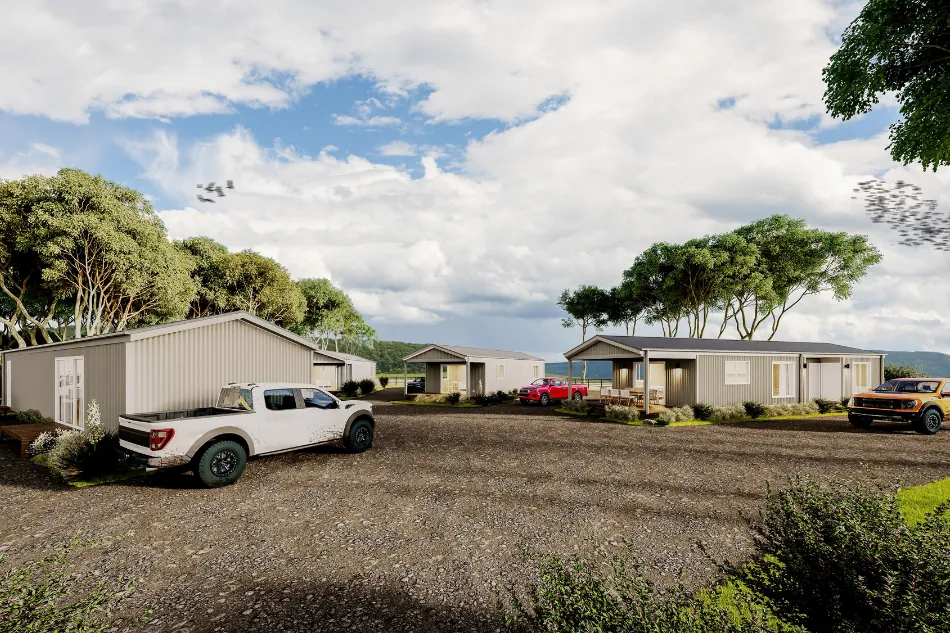
Learn how scalable worker housing helps farm operators meet current demand, plan for growth and avoid committing to excess capacity too early.

Planning multiple modular housing units? Learn what to check for power, water and wastewater before you lock in site layouts or unit numbers.
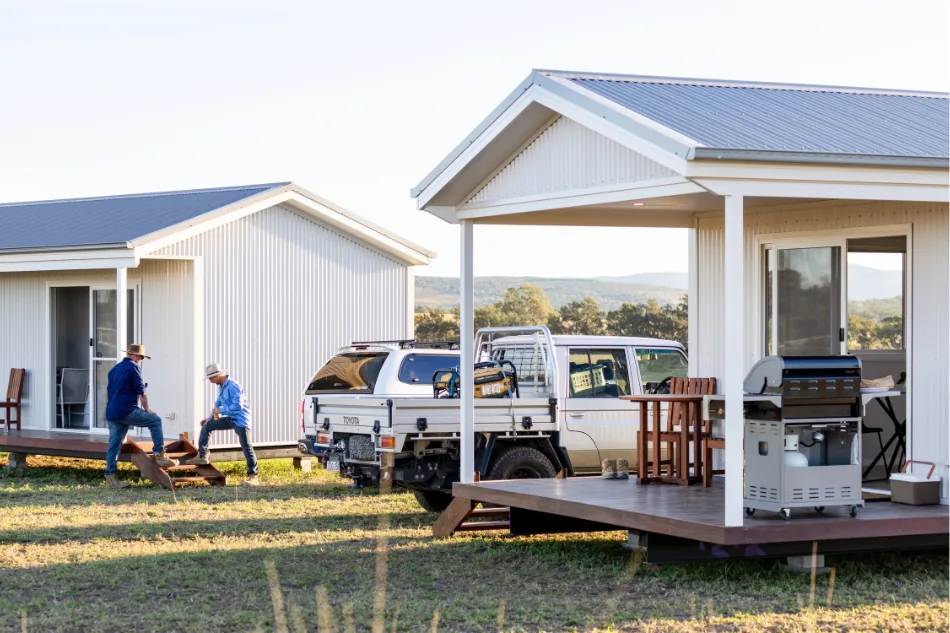
Modular housing cost Australia explained: see the seven budget areas beyond the unit price, from freight and footings to approvals and services.