


Fast housing delivery is non-negotiable in 2026. Here’s why pressure is rising, and how modular stock + proven designs deliver faster ROI with less risk


HUGE SALE NOW ON MODULAR HOUSING! MASSIVE SAVINGS UP TO $30,000
Fast housing delivery isn’t a buzzword in 2026. It’s a commercial requirement.
If you’re buying housing for other people—staff, tenants, essential workers, seasonal teams, or residents—you already feel the squeeze.
Smart farm managers who know good housing keeps good people, and investors who are backing builds that actually pay off, are making the same call: speed matters because the backlog is real.
This isn’t about rushing. It’s about removing delay. And in today’s market, delay costs more than most people think.
Australia has a national target on the table. It’s big. And the clock is running.
However, approvals and delivery capacity have not magically expanded overnight. So the gap doesn’t disappear. Instead, it builds up.
That matters because a stacked-up pipeline turns into competition. Everyone pushes to secure trades, materials, approvals, and delivery windows at the same time.
As a result, the slow projects don’t just finish later. They usually cost more too.
2026 is the year where “we’ll get to it” stops working.
Here’s why.
When the system falls behind, demand doesn’t politely wait.
Developers chase the same subcontractors. Employers chase the same accommodation. Housing providers chase the same funding windows. Councils and authorities also push new pathways to clear blockages.
So if you wait, you don’t just lose time. You lose your place in line.
A schedule slip is rarely “just a schedule slip”.
It can mean:
In other words, time risk becomes business risk.
Even when nothing happens on site, costs keep moving.
Interest accrues.
Land sits idle.
Prelims drag on.
Temporary solutions extend.
Everyone pays for it.
So the simple truth is this: fast housing delivery protects ROI.
Let’s define fast in plain terms.
For Aruva buyers, fast means:
Importantly, fast does not mean flimsy.
It means controlled. It means repeatable. It means less variability.
That’s why modular can outperform traditional delivery when it’s done as a system.
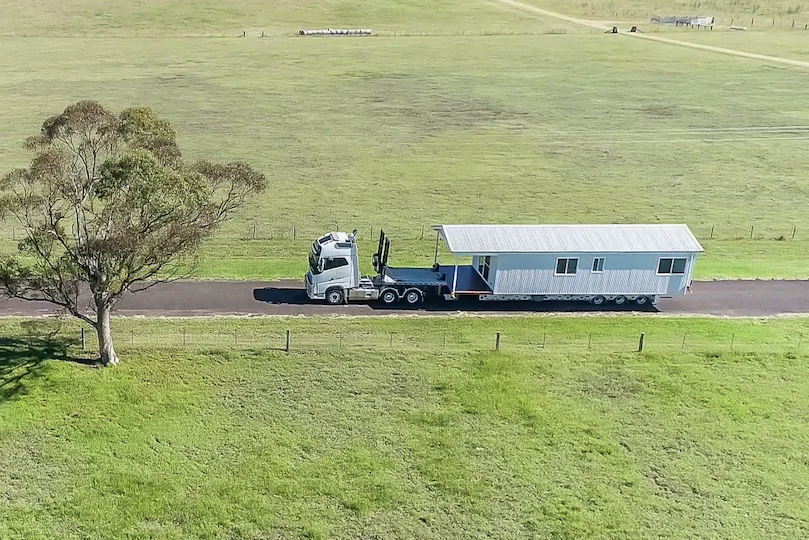
Fast outcomes don’t happen because a supplier “tries harder”.
They happen when the product and process remove bottlenecks by default.
In practice, three levers create real speed:
Let’s break those down.
In 2026, speed doesn’t come from pretending one delivery model fits everyone. It comes from having options that match the job.
That’s why the best modular programs run a hybrid approach:
Stock is useful when time is the dominant constraint. For example:
Aruva does hold a limited amount of finished stock, ready to go when the timing is critical. It’s not infinite, and it won’t suit every site or every brief. But when it fits, it can remove months of waiting.
Build-to-order is the right call when the project needs the housing to line up with:
In other words, build-to-order isn’t “slower because modular isn’t fast”. It’s slower because you’re deliberately choosing a solution that’s designed around your brief.
The real advantage isn’t stock or build-to-order.
It’s having a modular partner that can:
That’s how you keep the project moving, keep risk down, and still deliver housing that performs.
Design is where projects quietly blow out.
Every custom tweak adds time. Every redraw adds risk. Every “special detail” creates one more thing that can go wrong.
That’s why smart buyers separate two things:
Aruva designs aim for that balance.
You standardise what drives delivery:
Then you value-engineer where it makes sense:
This is how you keep housing practical. It’s also how you keep delivery reliable.
Because a design that repeats well is a design that delivers well.
Traditional builds are mostly linear.
First you clear and prep. Then you frame. Then you lock up. Then you fit out. Then you fix defects. Then you wait for weather. Then you wait for trades again.
Modular changes that structure.
With a proven system:
So you reduce the biggest killer of timelines: idle time.
This is why Aruva leans hard on system, not slogans.
Aruva builds practical modular housing for people who need to get on with the job.
Aruva makes housing delivery fast, simple and reliable—because it’s backed by a proven system.
And the result is what you actually need in 2026: accommodation delivered fast and built to last.
This is the objection that comes up in every serious conversation.
And it’s fair. People have seen cheap boxes sold as “modular”.
However, speed and quality aren’t enemies. Poor control is the enemy.
Fast delivery fails when:
On the other hand, fast delivery works when:
That’s why the phrase matters: built to last.
Because in housing, you don’t just buy the delivery date. You buy the next 20 years of outcomes too.
If you buy housing as an asset—rather than a personal purchase—speed pays off in multiple ways.
You can house staff closer to work. You reduce churn. You improve reliability across seasons.
Also, good accommodation makes recruitment easier. That’s just reality.
You bring revenue forward. You reduce time-to-cashflow. You lower exposure to holding costs.
So the project becomes easier to underwrite.
You fill operational gaps faster. You support service delivery. You reduce reliance on temporary solutions.
You also protect budgets, because long delays burn money quietly.
Here’s the straight version.
Aruva is built for buyers who need housing outcomes, not drawn-out build experiences.
That means:
For decision-makers, this stacks up as:
It’s superior housing delivered for people who need to get on with the job.
If speed matters (and it does), do these early.
Don’t start with “how many units”.
Start with outcomes:
Standard layouts move faster.
Then, once the base is locked, value-engineer smartly.
That keeps quality intact while controlling cost.
If finished stock is available, you remove months of waiting.
If you need a production run, lock your slot early. Don’t assume availability will improve.
This is where speed either holds or collapses.
Get moving on:
Plan it properly:
That’s how you turn “fast” into “finished”.
Fast housing delivery is non-negotiable in 2026 because the backlog is building, the competition for delivery windows is real, and delays hit ROI hard.
Housing managers who are smart about balancing budgets and outcomes are moving early. They’re backing systems that remove risk, not just promises that sound good.
That’s what Aruva delivers: Real Living. Delivered.
Accommodation delivered fast and built to last.
Explore options at www.aruva.au.

Download your copy of our Accommodation Guide.
Aruva’s experienced team will collaborate with you about our modular accommodation solutions.

Talk to us about your property, timeline and requirements.

We’ll supply a proposal based on your design preference.

Place your order! We’ll build and install your new modular accommodation.
There’s no place like home, right? Your staff can spend their evenings in comfort and style, relaxing and connecting with friends and family, and then recharge their batteries with some quality zzzzs.


Our Resources
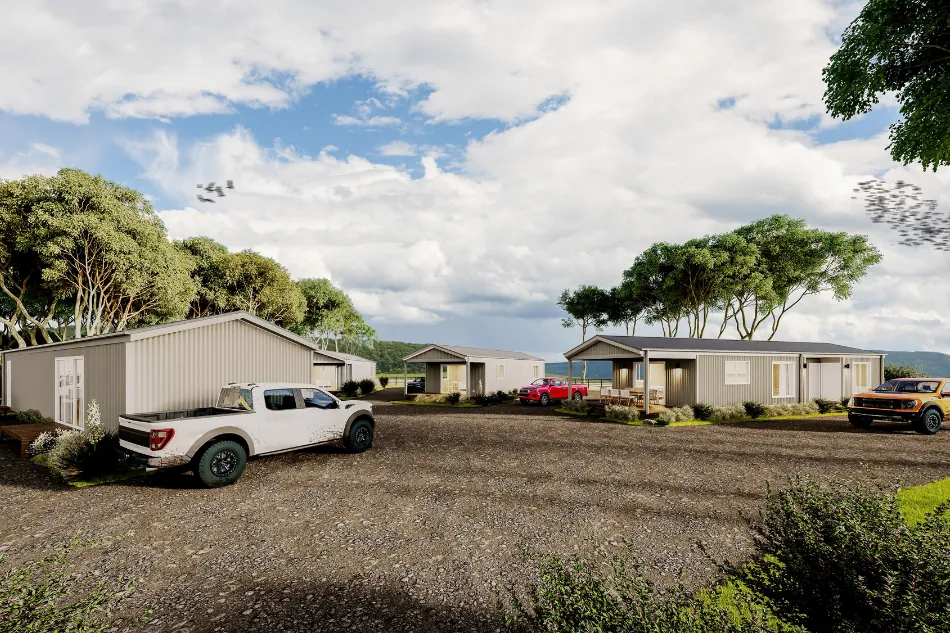
Learn how scalable worker housing helps farm operators meet current demand, plan for growth and avoid committing to excess capacity too early.

Planning multiple modular housing units? Learn what to check for power, water and wastewater before you lock in site layouts or unit numbers.
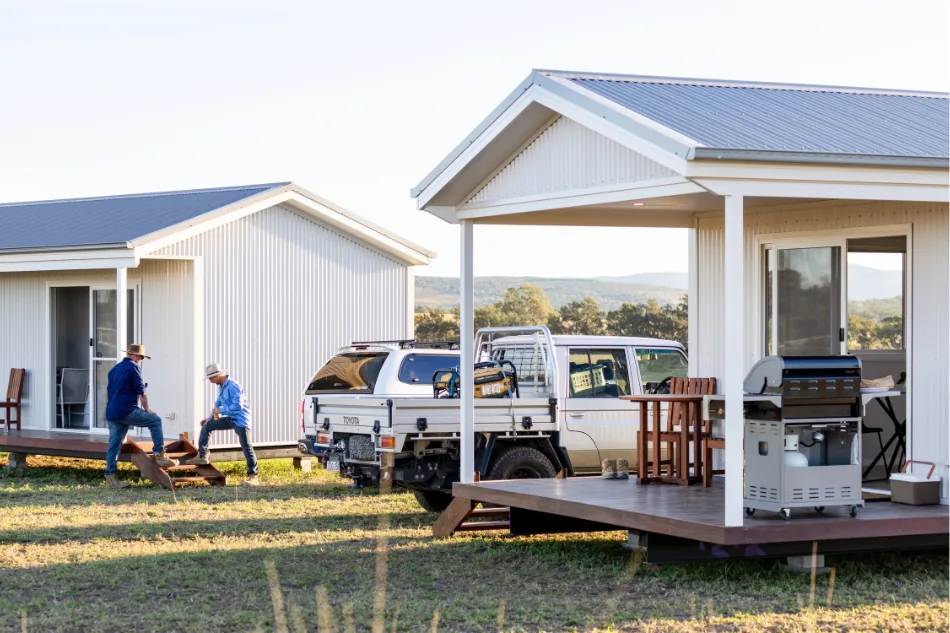
Modular housing cost Australia explained: see the seven budget areas beyond the unit price, from freight and footings to approvals and services.