



There’s something satisfying about tradition. For decades, the trusty paper diary was the manager’s best mate. It lived in the top drawer, never needed batteries, and held everything from boardroom agendas to Bunnings lists.
But eventually, we moved on.
Why? Because better tools came along. Digital calendars, shared planners, task apps — they gave us more flexibility, better visibility, and less mess. They let us work smarter, not harder.
Now, the same shift is happening in construction — and it’s about time we had a conversation about it.
Most projects in Australia are still built the traditional way: on-site, sequentially, with all the weather risks, labour delays, and moving parts that come with it. It’s familiar, yes. But that doesn’t make it efficient.
Modular construction — or more broadly, MMC (Modern Methods of Construction) — is the industry’s version of the digital upgrade. And if you’re still defaulting to the old way, you might be missing out on faster, cleaner, more predictable results.
The Diary Analogy: Tradition Has Its Place, Until It Doesn’t
Think back to that paper diary. It worked — until it didn’t. You couldn’t share it with your team. You couldn’t rearrange your schedule without a mess of arrows and cross-outs. And if you left it on the kitchen bench, you were stuffed.
Traditional construction works in much the same way. It relies heavily on people being on-site, in sequence, at the right time, often under unpredictable conditions. It’s hard to manage, difficult to replicate, and full of avoidable waste.
MMC flips that script.
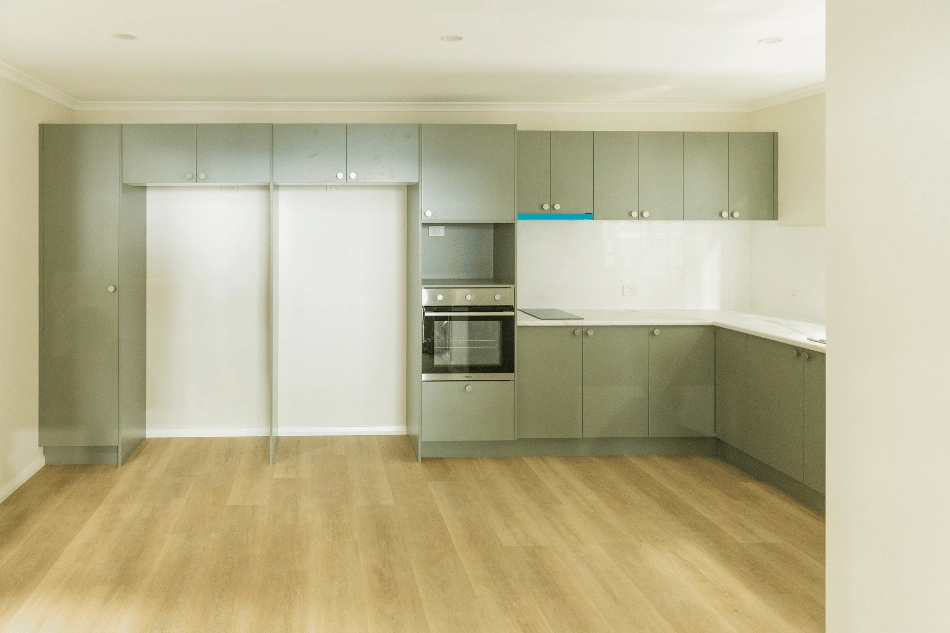
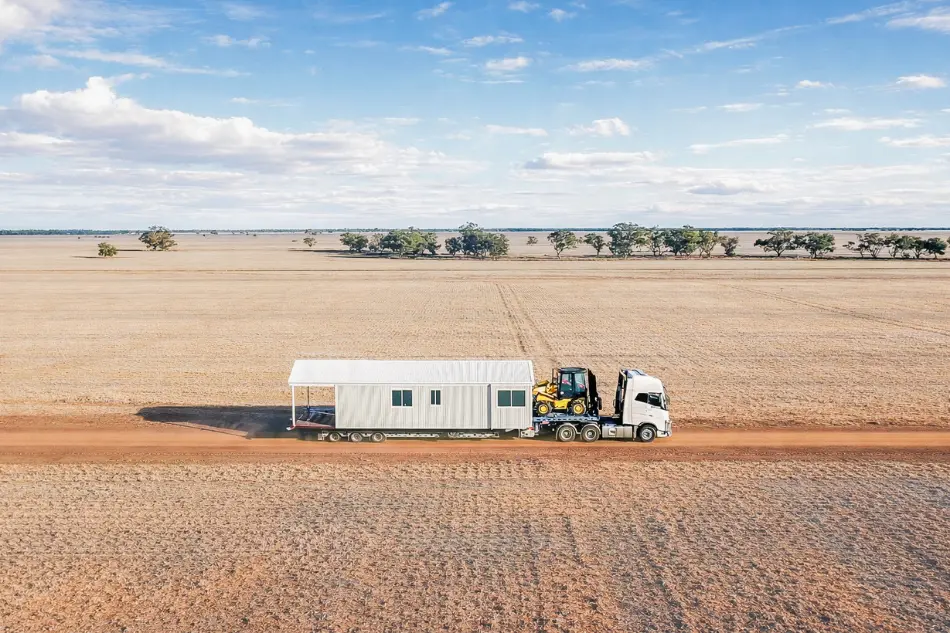
It’s construction that runs like a synced digital dashboard — centralised, systematic, and surprisingly flexible. Units are built off-site in controlled environments, with factory-grade precision, then delivered and installed on location. Faster, cleaner, and with far fewer unknowns.
What the Smart Operators Have Already Figured Out
There’s a reason cloud software took off while floppy disks became trivia night fodder. It’s the same reason more Australian businesses — especially those working in property, government, mining, and essential services — are turning to MMC.
Let’s lay it out.
1. It’s Faster
Traditional builds can stretch anywhere from 4 to 12 months. With MMC, that timeline can shrink to just 16 weeks — even less in some cases. When accommodation is needed urgently — for workers, emergency response, or community infrastructure — speed isn’t a bonus. It’s essential.
2. It’s More Predictable
A controlled factory environment means fewer weather delays, fewer labour issues, and fewer surprises. It’s like moving from pencilled-in plans to locked-in deliverables. You know what you’re getting — and when.
3. It’s Flexible, Just in a Smarter Way
Some people assume modular equals cookie-cutter. But in reality, MMC allows for a high level of customisation within a reliable framework. It’s not about cutting corners — it’s about cutting downtime, cost blowouts, and decision fatigue.
4. It’s Better for the Bottom Line
Less material waste, faster turnaround, and lower on-site labour costs all add up. Plus, with fewer surprises, the risk profile is tighter. For business owners and asset managers, that’s money in the bank — and stress off the shoulders.
And increasingly, we’re seeing this embraced by smart managers — those who are strategic about the way they invest in the people they’re buying for, because they know better performance and satisfaction follow. Whether it’s delivering for staff, tenants, or community stakeholders, these decision-makers are prioritising outcomes that go beyond just square metres.