



Modern methods of construction can cut site hours, reduce delay risk, and improve value. Here’s how to compare build options with confidence.


HUGE SALE NOW ON MODULAR HOUSING! MASSIVE SAVINGS UP TO $30,000
If you’re looking at accommodation or housing right now, you’ve likely felt the squeeze. Prices are up. Timelines are stretched. That is frustrating.
This guide is here to help. It explains modern methods of construction in plain English. It also gives you practical questions to compare options properly.
No sales pitch. Just useful information for smart farm managers and housing managers who know good housing keeps good people.
Traditional building relies on a lot of work happening on site. Those site hours drive cost and risk.
Why? Because sites create delays. Weather changes. Trades don’t always line up. Deliveries slip. Access can be hard. Rework happens.
As a result, time blows out. Then costs rise. It’s that simple.
So, when you compare options, don’t only ask about materials. Instead, ask this:
How many site hours does this approach usually need to reach “ready to live in”?
Long builds don’t only hurt one project. They reduce overall output.
If each dwelling takes longer, fewer get finished each year. Then supply stays tight. Prices stay under pressure.
That’s why productivity matters. In simple terms, productivity is how much finished housing we can deliver with the time and labour available.
So, if we reduce site hours per dwelling, we can often improve delivery rates. That helps households and employers alike.
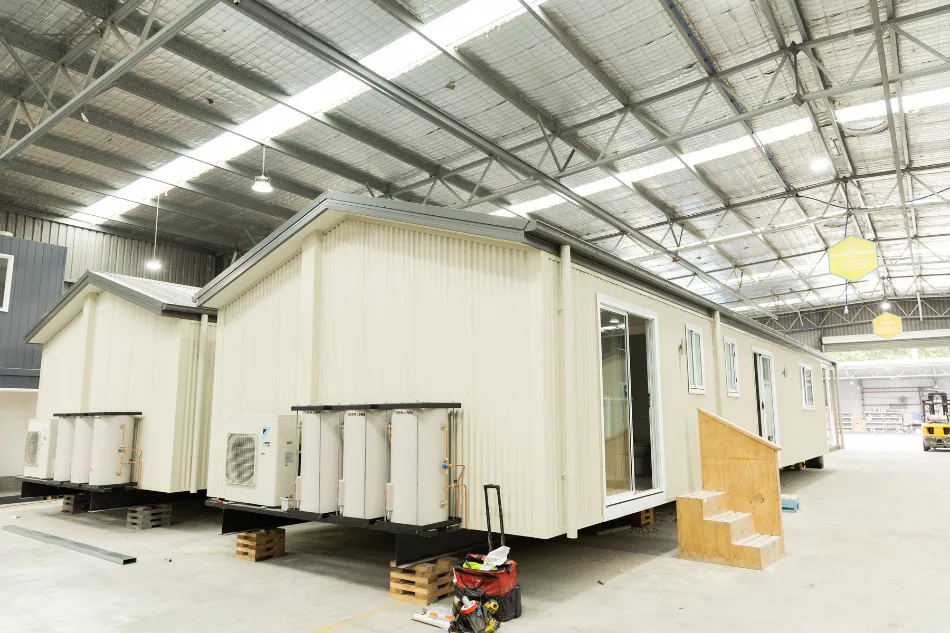
Modern methods of construction (MMC) is a broad term. It covers ways of building that shift more work away from a fully onsite build.
For example, MMC can include:
In other words, MMC changes where the work happens. That shift can reduce the time a project spends exposed to site conditions.
MMC doesn’t help because it sounds modern. It helps because it reduces common failure points.
1) Less exposure to delays
First, shorter onsite phases mean fewer chances for delays to bite. That improves certainty.
2) Less rework
Second, controlled processes can reduce rework. When rework drops, time and cost pressure often drops too.
3) Lower coordination load
Third, traditional builds need constant sequencing and rescheduling. That coordination costs time. MMC can reduce that load because the onsite window is tighter.
4) Earlier benefit
Finally, earlier delivery can change the economics. You get the benefit sooner. That matters for staffing, seasonal work, and project mobilisation.
You don’t need to be an expert. However, you do need to ask the right questions.
Question 1: How long is the onsite phase, realistically?
Ask for a typical range. Then ask what usually causes delays.
Question 2: Where are the biggest risks, and who carries them?
Every build has risk. The issue is who wears it. So ask:
Question 3: How much work is repeatable versus exposed?
Repeatable work tends to be more predictable. Exposed work depends on site conditions. Therefore, it carries more time risk.
Question 4: What does “done” include?
This one saves a lot of grief. Confirm inclusions for:
Many pricing surprises come from vague scope. So be specific early.
MMC can be a strong fit in several situations. For example:
That said, traditional builds can still make sense. This is common for highly bespoke designs or projects with flexible timelines.
So, don’t treat this as “one method is always best”. Instead, choose the method that matches your risk profile.
Here’s the simple truth:
Site hours are the bottleneck.
More site time usually means more delay risk. It also means more coordination and rework risk. Then cost goes up.
That’s why housing managers who are smart about balancing budgets and outcomes focus on process, inclusions, and realistic timeframes. They don’t just compare glossy brochures.
Use the questions above. Compare options properly. Then choose the path that gives you the best shot at a predictable outcome.

Download your copy of our Accommodation Guide.
Aruva’s experienced team will collaborate with you about our modular accommodation solutions.

Talk to us about your property, timeline and requirements.

We’ll supply a proposal based on your design preference.

Place your order! We’ll build and install your new modular accommodation.
There’s no place like home, right? Your staff can spend their evenings in comfort and style, relaxing and connecting with friends and family, and then recharge their batteries with some quality zzzzs.


Our Resources
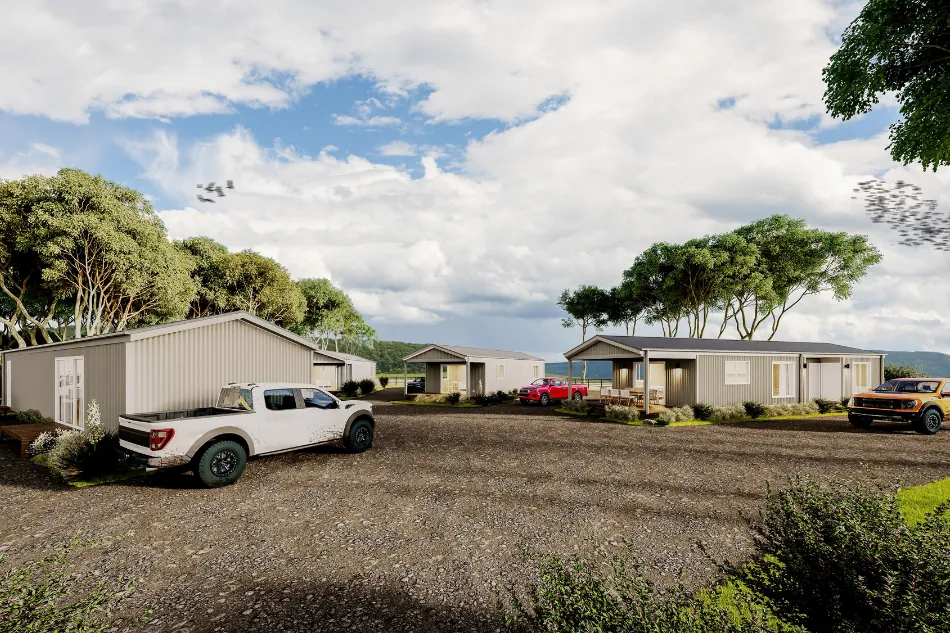
Learn how scalable worker housing helps farm operators meet current demand, plan for growth and avoid committing to excess capacity too early.

Planning multiple modular housing units? Learn what to check for power, water and wastewater before you lock in site layouts or unit numbers.
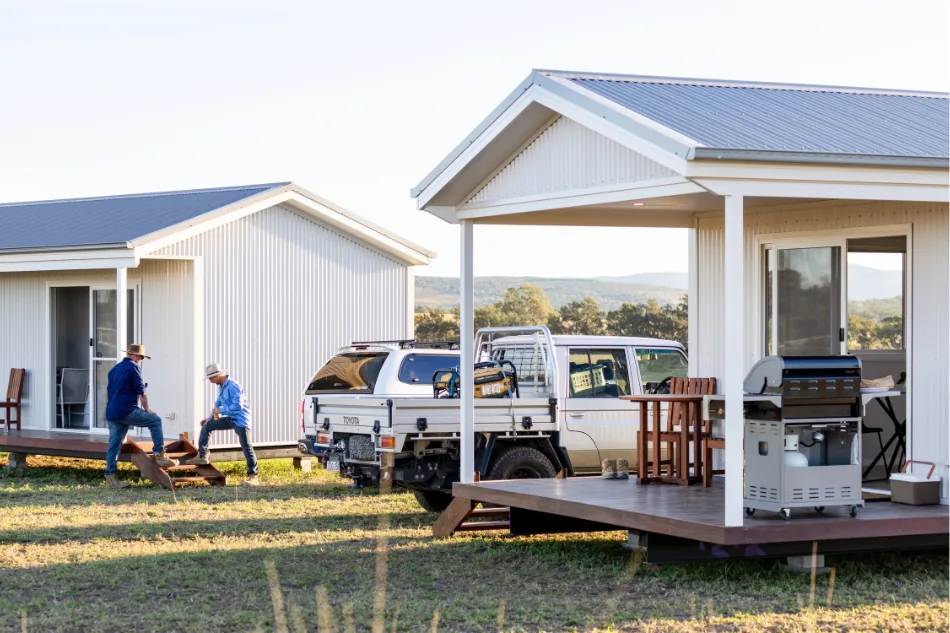
Modular housing cost Australia explained: see the seven budget areas beyond the unit price, from freight and footings to approvals and services.