



Housing that supports workers through extreme heat is becoming a duty-of-care, wellbeing and productivity issue for rural employers.


HUGE SALE NOW ON MODULAR HOUSING! MASSIVE SAVINGS UP TO $30,000
Housing that supports workers through extreme heat is no longer a side issue. It’s becoming part of a bigger conversation about worker safety, recovery and responsibility. A recent Build-it article highlighted the growing debate around heat rights on Australian building sites. That debate matters. However, for businesses buying housing for workers in rural and remote Australia, it should also prompt a more practical question: does the accommodation actually help workers recover after a hot day?
That’s the part many people miss. Heat risk doesn’t end when the shift ends. If workers go back to accommodation that holds heat, cools poorly and makes sleep harder, the problem hasn’t gone away. It has simply followed them home for the night.
For smart farm managers who know good housing keeps good people, this isn’t a side topic. It’s part of running a solid operation.
The recent heat-rights debate is useful because it signals where expectations are heading. Heat is being taken more seriously. So, employers will need to take it more seriously too.
At present, there’s no single national stop-work temperature in Australia. That’s because heat risk isn’t based on temperature alone. Humidity, airflow, workload, fitness and acclimatisation all affect the risk.
Still, the lack of one temperature rule doesn’t remove the duty. Employers already have to manage heat risk properly. So, the real issue isn’t whether businesses should act. It’s whether they’re thinking broadly enough about what action looks like.
That’s where worker housing comes in.
It’s easy to split things into neat categories. Worksite safety sits in one bucket. Accommodation sits in another. But in extreme heat, that separation breaks down quickly.
If a worker can’t cool down after a shift, can’t rest well overnight, and starts the next day tired, the accommodation is affecting the work outcome. That’s not theory. That’s common sense.
A hot, stuffy or poorly ventilated room doesn’t just reduce comfort. It can reduce sleep quality, slow recovery, hurt morale and increase fatigue the next day. In rural and remote settings, that matters even more because workers are often relying on the housing their employer provides.
So, this isn’t about politics. It’s about practical risk management.
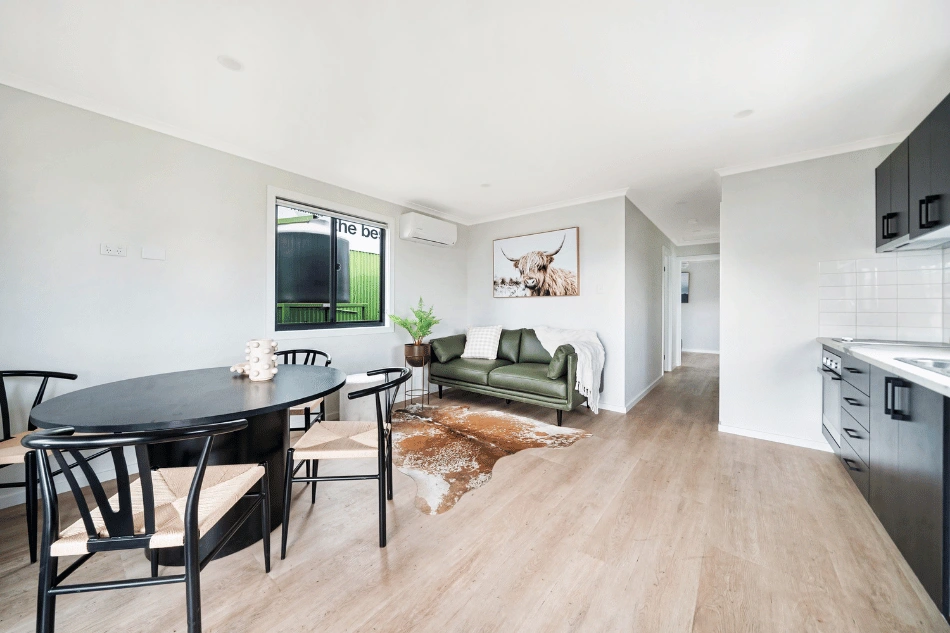
The first lens for looking at this issue should be duty of care. If a business provides accommodation for workers away from home, it has a responsibility to make sure that accommodation is suitable and safe.
That doesn’t mean luxury. It means the housing needs to do its job. In hot conditions, that includes helping workers cool down, rest properly and live in reasonable comfort.
Importantly, this is where some businesses can fall into the trap of thinking “good enough” is good enough. But standards are shifting. Expectations are rising. What may once have been accepted as basic worker housing may no longer stack up when heat becomes a bigger risk.
In other words, the conversation is moving from “Do we have accommodation?” to “Is the accommodation fit for these conditions?”
That’s a much better question.
Duty of care should come first. However, it’s not the only reason this matters.
Good worker housing can also support retention, wellbeing and productivity. That’s especially relevant in rural and remote Australia, where attracting and keeping good people is already a challenge.
If accommodation is poor, people notice. Workers notice. Managers notice. Communities notice. Word gets around. On the other hand, when housing is solid, comfortable and clearly designed for real conditions, that gets noticed too.
That’s why this issue isn’t only about avoiding risk. It’s also about building a more stable workforce. Businesses that get this right are often the same businesses that keep people longer and operate more smoothly.
For housing managers who are smart about getting the right balance across budgets and outcomes, that’s not a soft benefit. It’s a real one.
This is where the conversation needs to stay practical.
Good worker housing in extreme heat doesn’t need to be fancy. But it does need to work. First, it needs to handle temperature properly. That means insulation, shading, ventilation and, where needed, mechanical cooling.
Second, it needs to support proper sleep. This point is often underrated. Yet sleep is one of the biggest recovery tools workers have. If the room stays hot all night, recovery suffers.
Third, it needs to support real day-to-day living. Workers need reliable hot and cold water, decent food storage, proper washing and drying facilities, and space to switch off. Again, that isn’t luxury. It’s basic functionality.
Fourth, it needs to be maintained. Even a decent unit can become poor housing if the cooling system isn’t serviced, the seals fail, or basic fittings stop working. In extreme heat, small maintenance issues can quickly become much bigger problems.
Finally, the housing needs to be part of the workforce plan from the start. It shouldn’t be treated as an afterthought or a cheap add-on. If the accommodation is meant to support people through harsh conditions, it needs to be chosen and managed with that purpose in mind.
The Build-it article matters because it points to a wider shift. Heat is no longer being treated as something workers should simply push through. Expectations are changing. That change may show up through policy, industry pressure, worker expectations or plain common sense. Most likely, it will come through all four.
For employers buying worker housing, especially in rural and remote Australia, that means now is the right time to think ahead. Not dramatically. Not politically. Just practically.
Does the accommodation cool properly?
Does it support sleep?
Does it help workers recover?
Does it reflect the conditions people are actually living in?
Those are the questions that matter.
Because in the end, housing that supports workers through extreme heat isn’t about ticking a box. It’s about providing real living conditions that help people stay safer, recover better and perform more consistently. That’s the kind of thinking that lasts. Real Living. Delivered. Accommodation delivered fast and built to last.

Download your copy of our Accommodation Guide.
Aruva’s experienced team will collaborate with you about our modular accommodation solutions.

Talk to us about your property, timeline and requirements.

We’ll supply a proposal based on your design preference.

Place your order! We’ll build and install your new modular accommodation.
There’s no place like home, right? Your staff can spend their evenings in comfort and style, relaxing and connecting with friends and family, and then recharge their batteries with some quality zzzzs.


Our Resources

Planning multiple modular housing units? Learn what to check for power, water and wastewater before you lock in site layouts or unit numbers.
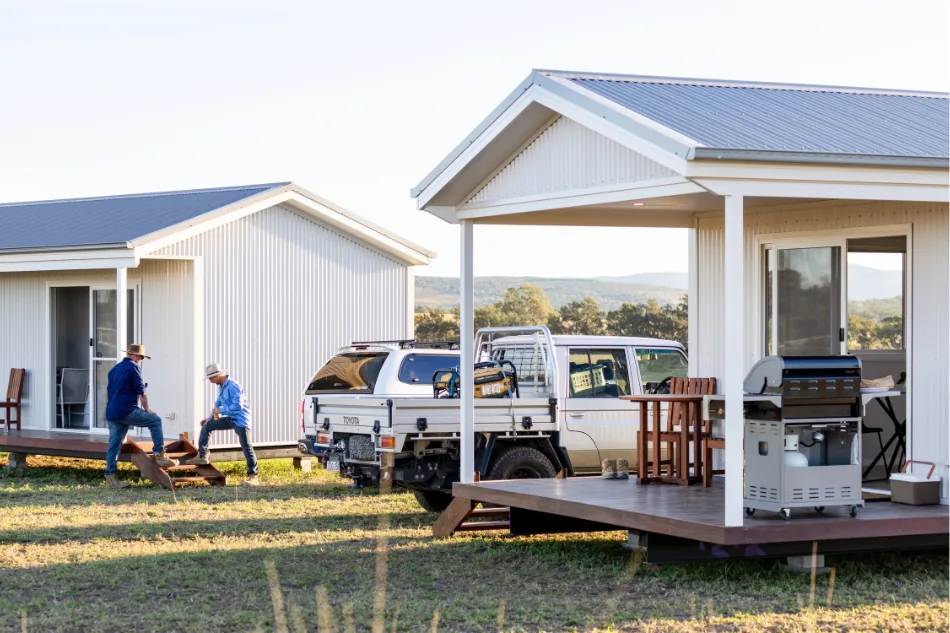
Modular housing cost Australia explained: see the seven budget areas beyond the unit price, from freight and footings to approvals and services.
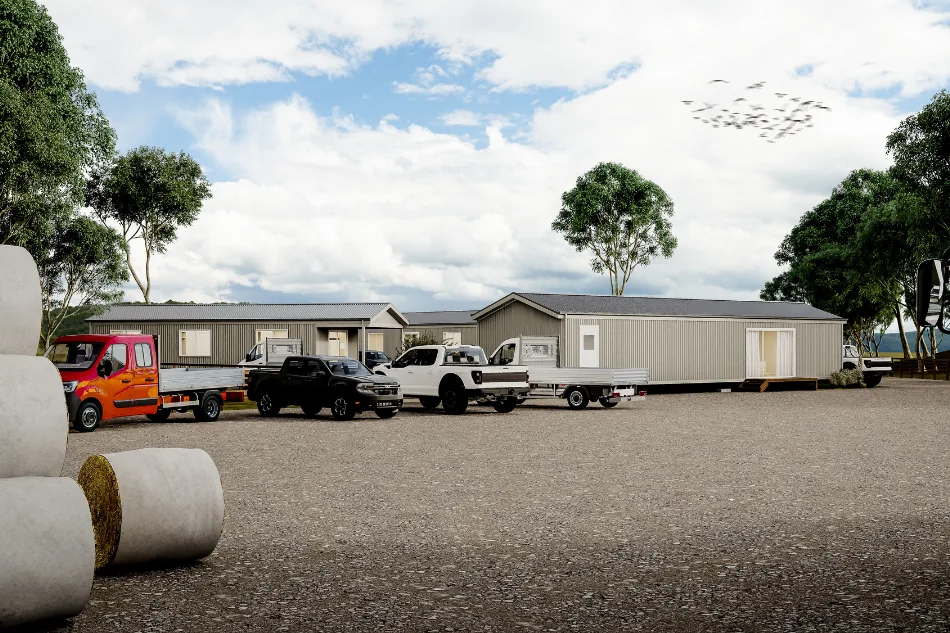
Worker housing costs go beyond the build. See how vacancies, overtime, travel and management time can raise the cost of inadequate housing.