How long does a standard build-to-order unit take?
A standard build-to-order unit will typically take around 8–12 weeks to construct in the factory. Before that begins, there’ll usually be a pre-construction period.
This may involve confirming the design, completing selections, reviewing drawings, engineering, ordering materials, checking delivery access and obtaining approvals where required.
Pre-construction varies from project to project. A straightforward unit with quick decisions may move efficiently. A site needing council approval, specialist reports or extra design work will take longer.
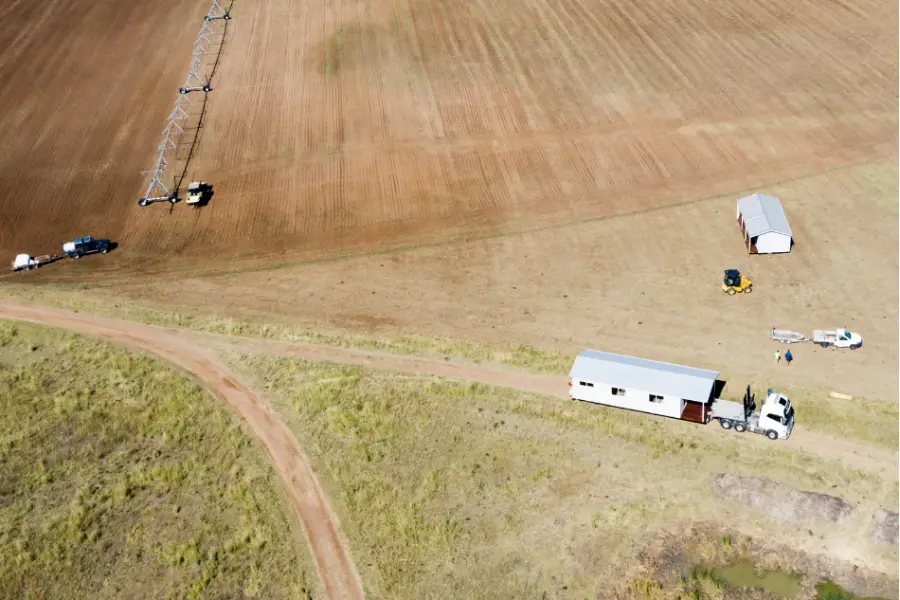
Once factory construction is complete, allow around another two weeks for final preparation, transport, delivery and installation. So, while the factory build may take 8–12 weeks, the complete timeframe from contract to installation will usually be longer.
How do multi-unit projects affect the timeline?
Custom and multi-unit projects need more work upfront. The design, engineering, materials, production sequence and site program all need to be planned before manufacturing begins.
However, larger projects can create significant production efficiencies. Each unit still spends weeks moving through the factory. They’re not built from start to finish in two or three days.
Instead, multiple units move through production at the same time, each at a different stage. Once the first unit reaches the end of the line, the next may be completed two or three days later. Then another. Then another.
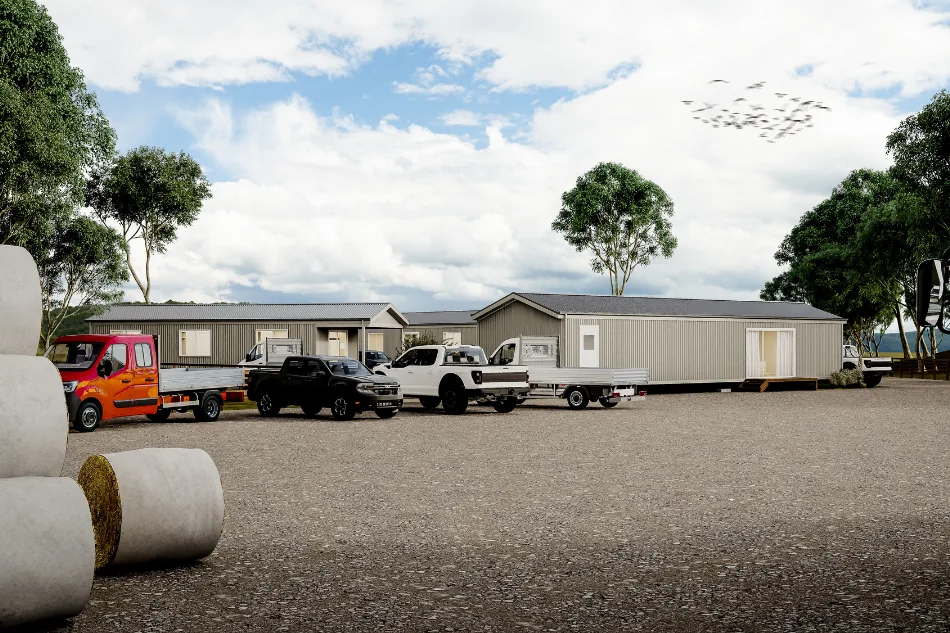
That completion rhythm can become quite fast. Depending on design, complexity and factory capacity, projects involving 10, 15 or even 20 similar units may move through production within a concentrated program.
The efficiencies come from repeating the design, ordering materials in volume, reducing changeovers and keeping trades moving between units. That’s why the total program for 10 units isn’t simply ten times the timeframe for one.
Can council approval delay modular accommodation?
Yes. Council and other statutory approvals can have a major effect on the overall timeline. Some projects may qualify for a faster pathway. Others may require a full development application, engineering, specialist reports or further information.
In NSW, complying development provides a faster pathway for eligible, straightforward development. Where a full development application is required, the process will generally take longer.
Depending on the site and proposed use, approvals may add several weeks or several months. This time sits outside the normal 8–12-week factory construction period.
Experienced project teams identify the approval pathway early. Aruva has more information about council approvals for modular buildings.
What else can extend the timeline?
Common causes of delay include slow selections, design changes, authority approvals, long-lead materials, incomplete footings, difficult site access, transport restrictions and poor weather during delivery or installation.
Depending on the unit size and route, transport may require access checks, route planning or an oversize permit. The National Heavy Vehicle Regulator Route Planner can help identify approved heavy-vehicle routes and where a permit may be required.
Clear decisions help. So do clear responsibilities. Before the project begins, everyone should understand who’s arranging approvals, footings, site access, transport, service connections and final site works.
What does “installed” mean?
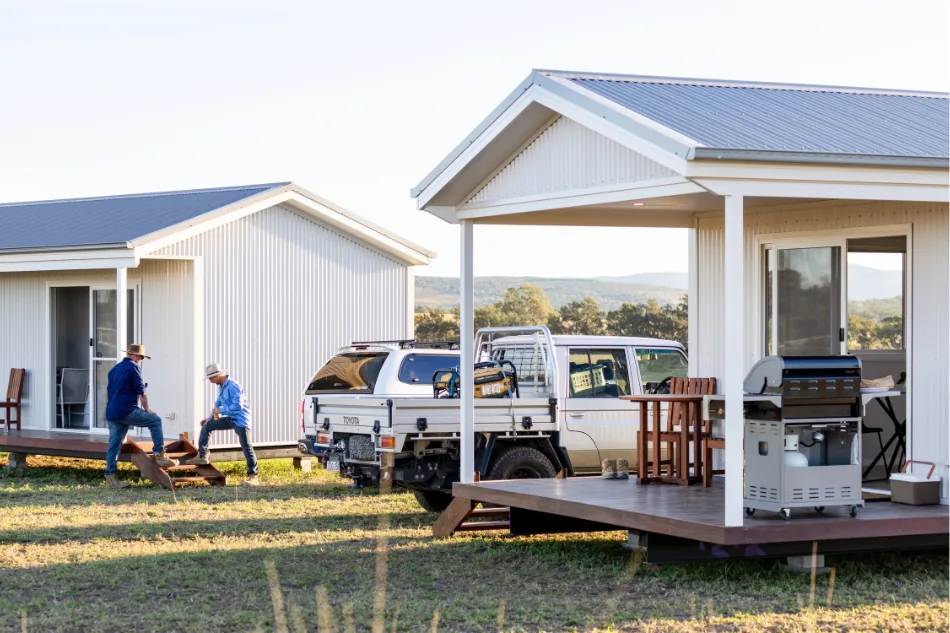
Installation usually means the unit has been delivered, positioned and secured to its prepared footings. It doesn’t necessarily mean the unit is fully connected and ready to occupy.
The purchaser will often arrange power, water, wastewater, telecommunications, steps, paths, landscaping and other final site works. The exact scope should be confirmed before the contract is signed.
It’s also worth understanding the difference between DIY installation and a managed modular delivery.
What should you ask a modular accommodation manufacturer?
Don’t just ask, “How quickly can you deliver?” Ask for the full program. How long will pre-construction take? What needs to happen before factory construction begins? Who’s responsible for approvals and site works? What does installation include? And when will the accommodation actually be ready to use?
Smart accommodation managers aren’t trying to project-manage every trade, delivery and production milestone themselves. They’re going direct to manufacturers who understand timing, scheduling, site readiness, transport and installation.
They’re looking for a proven process, clear responsibilities and a realistic program. That’s what reduces surprises and gives everyone a much clearer answer to the question that matters:
When will the accommodation actually be ready?
Real Living. Delivered. Accommodation delivered fast and built to last.