



Compare DIY installation vs turnkey modular delivery for worker accommodation. Learn what’s included, what’s not, and what suits your operation.


HUGE SALE NOW ON MODULAR HOUSING! MASSIVE SAVINGS UP TO $30,000
When you’re setting up worker accommodation on a farm, station, or remote site, one of the first choices you’ll face is how much of the setup you want to handle yourself—and how much you’d rather hand off.
We often hear:
“What’s the difference between DIY installation and turnkey modular delivery? What do I need to sort out myself, and what’s typically included?”
Here’s what to expect from both options, and how to choose the right fit for your operation.
DIY Installation: You’re in the Driver’s Seat
DIY installation means the unit is delivered to your site—either by you collecting it from the manufacturer or through arranged delivery. From that point on, it’s your responsibility.
That includes:
It’s a good fit for those with the time, tools, and trade contacts to manage the process. Some farming station owners prefer this approach if they’ve already got a reliable team on the ground. If you’re managing your own delivery, it’s worth understanding oversize transport access requirements beforehand.
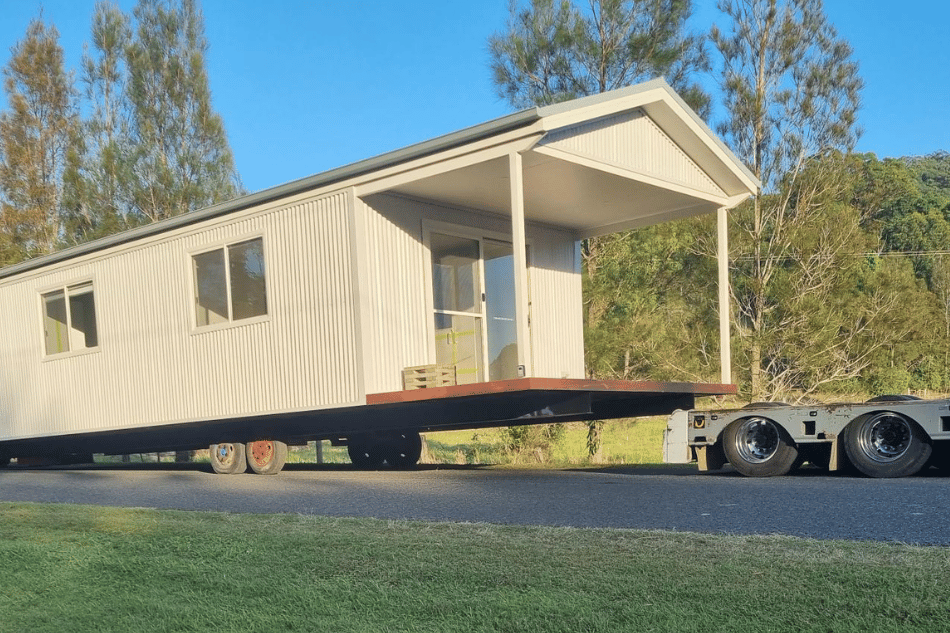
Turnkey modular delivery usually means the unit is delivered and installed on-site by the supplier.
At a general level, this includes:
But it’s important to note that turnkey doesn’t always include the full list of service connections. Power, water, and waste services are often still the responsibility of the property owner or need to be coordinated separately.
Some suppliers do offer more comprehensive packages that include these services, but it’s rarely automatic. Be clear about what’s included from the outset, and what isn’t. You can also get a better idea of what to expect during the delivery and installation process by reviewing supplier guidelines.
| Feature | DIY Installation | Turnkey Modular Delivery |
| Transport To Site | Optional (you can arrange) | Included |
| Placement On Site | You coordinate crane/lift | Handled by supplier |
| Foundation Prep (Concrete/Stumps) | You arrange non-slab footings | Included |
| Service Connections (Water, Power) | You arrange trades | Often not included |
| Skirts, Steps, Ramps | You install | Often included |
| Time & Hassle | More for you to manage | Less hands-on, quicker turnaround |
We work with station owners, growers, civil contractors, and remote asset managers across regional Australia.
Some have the capacity to manage the setup themselves. Others are time-poor or focused on keeping operations running—and prefer the smoother handover of a managed install.
Here’s what we hear from both sides:
“We’ve got our own crew, so DIY suits us fine—we save time and dollars.”
“We’re flat out running the operation. We just want the unit in, secured, and ready without chasing tradies.”
Another important consideration is warranty—and this can change depending on how much of the installation you manage yourself. For Aruva, when the full installation is handled under a turnkey setup—footings, placement, levelling and lock-up—a comprehensive 7 + 1 year warranty applies. That’s long-term peace of mind, backed by a clear process and supported by a team that stands behind every job.
But if you’re taking the DIY route—organising footing install or final placement independently—a limited one-year warranty applies. It’s a fair reflection of the split in responsibility, and it’s worth weighing up when you’re deciding which route to take.
The upside? You get to choose. Whether you want complete control, or want to hand off the logistics and know it’s done right—there’s a pathway that delivers. Either way, you’re not just setting up a unit. You’re securing the infrastructure that keeps your people working, your land productive, and your operation moving forward.
Regardless of which option you go with, it’s common for certain tasks to fall outside standard modular delivery:
Even with a full-service supplier, these areas usually require coordination with local trades or council.
Worker accommodation isn’t just about placing a unit—it’s about reliability, long-term return, and minimising downtime.
Australian owners who are smart about their investment in their land or workers look for straightforward solutions that match their project needs—whether that means doing more themselves or choosing a streamlined setup.
Some prefer DIY for flexibility. Others go turnkey to reduce time on site. Neither is right or wrong—it just depends on what works for your situation.
At the end of the day, it’s all about A Good Night’s Sleep—for you, your team, and the workers you’re supporting.

Download your copy of our Accommodation Guide.
Aruva’s experienced team will collaborate with you about our modular accommodation solutions.

Talk to us about your property, timeline and requirements.

We’ll supply a proposal based on your design preference.

Place your order! We’ll build and install your new modular accommodation.
There’s no place like home, right? Your staff can spend their evenings in comfort and style, relaxing and connecting with friends and family, and then recharge their batteries with some quality zzzzs.


Our Resources

Planning multiple modular housing units? Learn what to check for power, water and wastewater before you lock in site layouts or unit numbers.
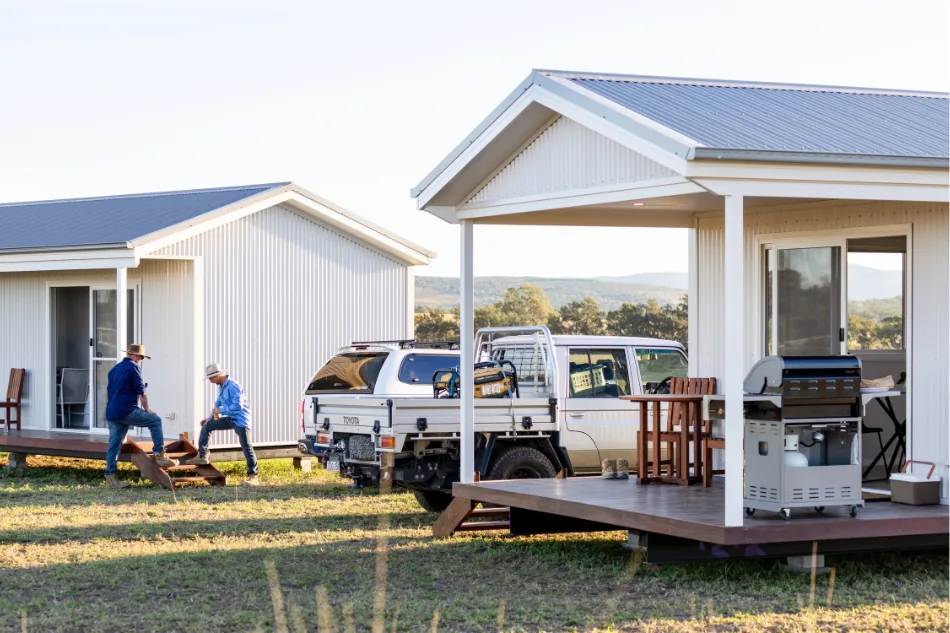
Modular housing cost Australia explained: see the seven budget areas beyond the unit price, from freight and footings to approvals and services.
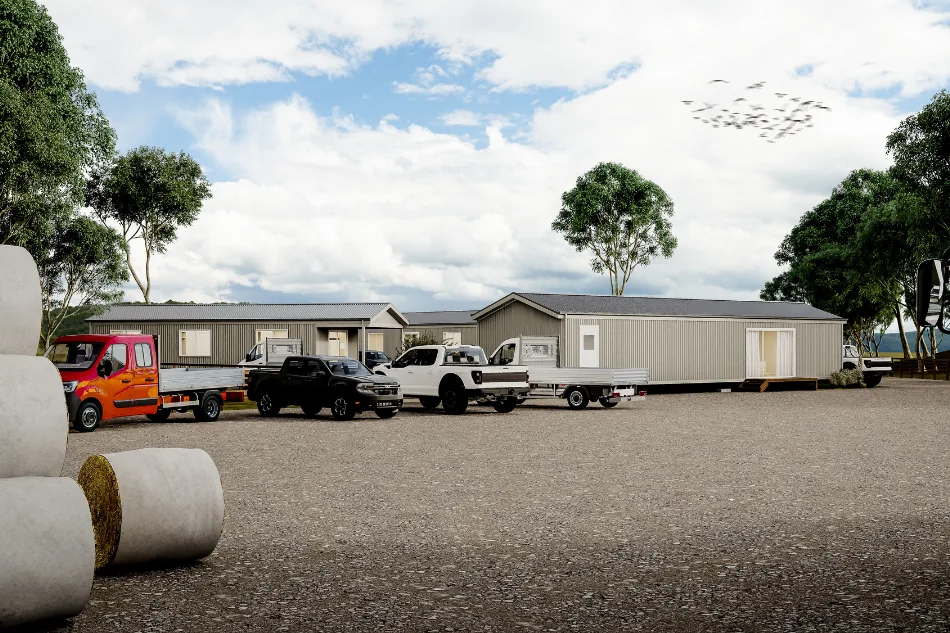
Worker housing costs go beyond the build. See how vacancies, overtime, travel and management time can raise the cost of inadequate housing.