



Hard-working cupboards make itinerant accommodation liveable. Here’s what to look for in storage that stays solid, clean and easy to maintain.


HUGE SALE NOW ON MODULAR HOUSING! MASSIVE SAVINGS UP TO $30,000
People often overlook storage. That’s a problem in itinerant accommodation. Workers, guests, and tenants live out of cupboards every day. So hard-working cupboards matter more than most people realise.
Smart housing managers notice this straight away. They know good housing keeps good people. And they know the “small” details shape the daily experience.
If you’re buying accommodation for others, cupboards aren’t a bonus. They’re part of looking after people properly. They also protect your asset over time.
So, what should you look for?
Cupboards do three simple jobs.
1) They help people feel settled.
When someone can unpack, the unit feels liveable. It stops feeling temporary.
2) They protect the unit from wear.
Without storage, clutter spreads fast. Benchtops turn into dumping zones. Damage follows.
3) They reduce ongoing hassles.
Good cupboards cut maintenance. Poor cupboards create call-outs and complaints.
In short, storage affects comfort and operating cost.
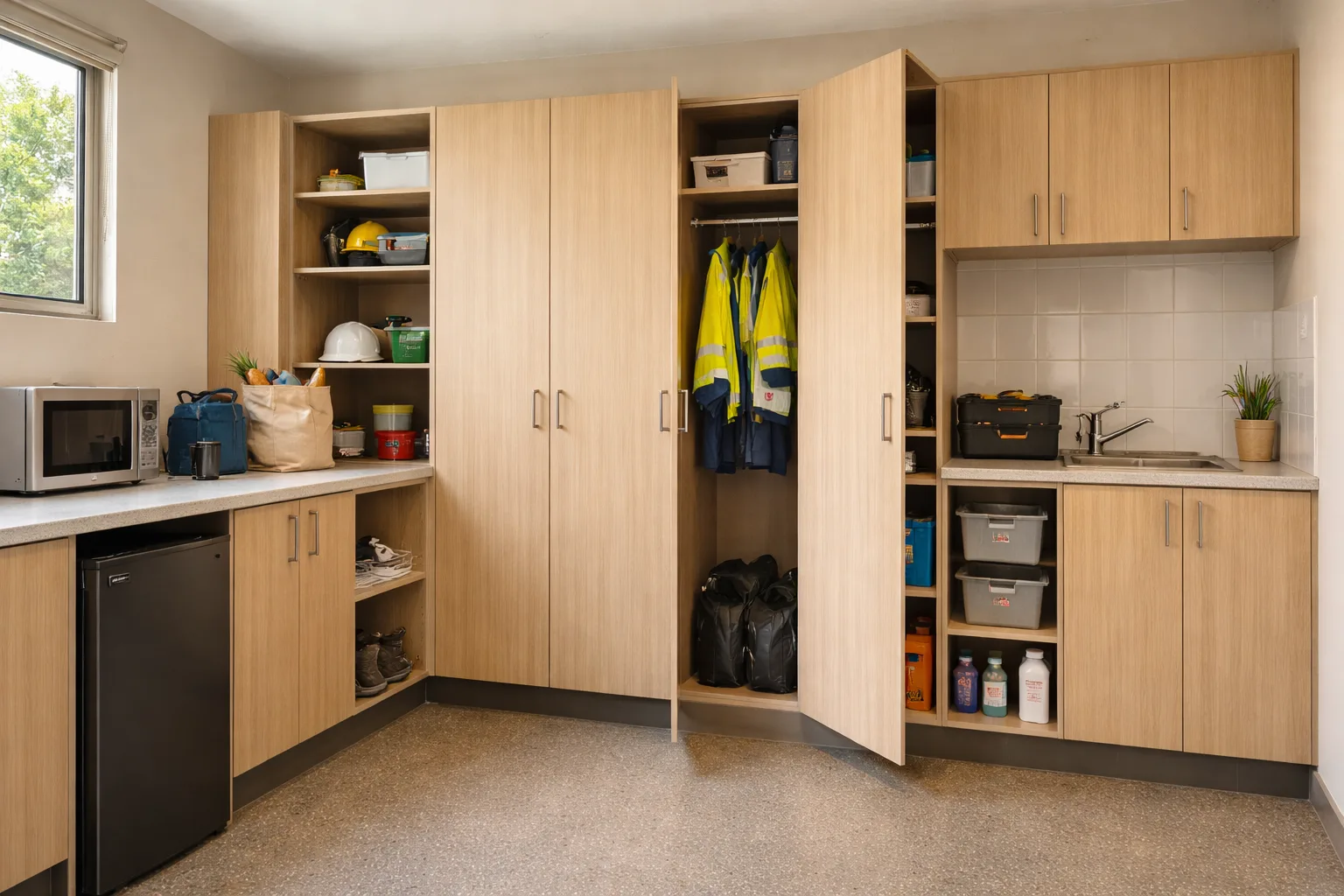
People open and shut cupboards constantly. They do it quickly, too.
So look for cupboards that feel solid:
You don’t need technical knowledge. You can usually feel quality straight away.
Real sites bring steam, dust, humidity, and temperature swings. Even good tenants create wear.
So check for:
If cupboards can’t handle the environment, they won’t last.
Cleaning speed matters. Hygiene matters, too.
So aim for:
As a result, changeovers get easier.
More cupboards isn’t the goal. Better storage is.
In itinerant accommodation, good storage usually includes:
That said, keep it simple. Make it usable.
Wear happens. The question is how you deal with it.
So choose cupboards that allow:
This matters even more across multiple sites.
When you inspect a unit, use this fast checklist:
Because if it’s hard to maintain, it becomes expensive.
When you buy accommodation for others, inclusions send a message.
Solid storage says:
“We expect you to live here properly.”
“We’ve thought about the basics that matter.”
“We’re not doing bare bones.”
That’s why housing managers who are smart about balancing budgets and outcomes focus on the unglamorous stuff. It’s what makes the accommodation work.
If you’re planning accommodation for workers, tenants, or guests, look closely at the cupboards. You’ll protect the experience. You’ll protect the unit. And you’ll reduce headaches later.
If you want a second opinion on what “hard-working” inclusions should look like, enquire with the Aruva team. We’ll help you get the balance right. Practical. Durable. Built for real use.

Download your copy of our Accommodation Guide.
Aruva’s experienced team will collaborate with you about our modular accommodation solutions.

Talk to us about your property, timeline and requirements.

We’ll supply a proposal based on your design preference.

Place your order! We’ll build and install your new modular accommodation.
There’s no place like home, right? Your staff can spend their evenings in comfort and style, relaxing and connecting with friends and family, and then recharge their batteries with some quality zzzzs.


Our Resources
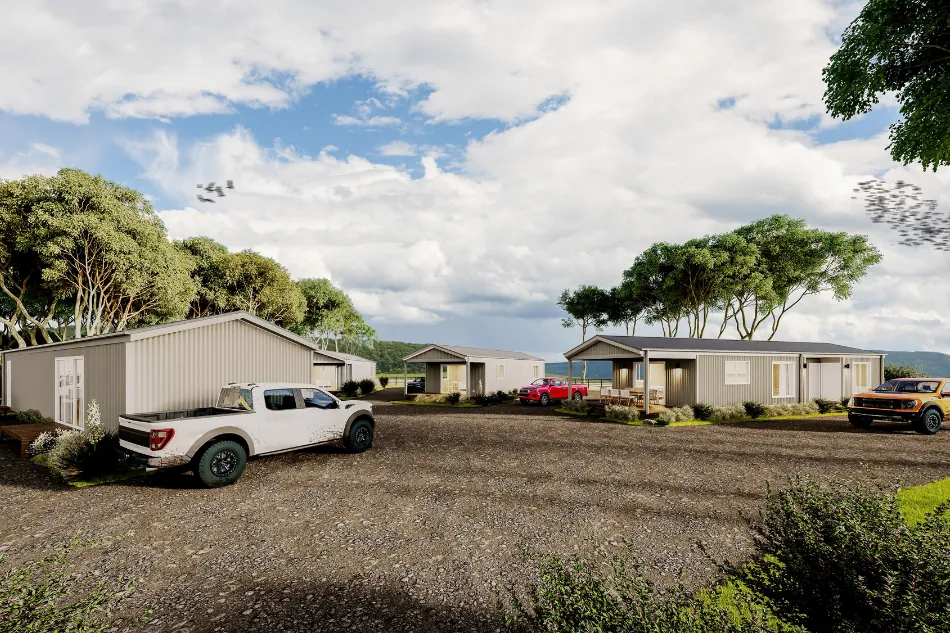
Learn how scalable worker housing helps farm operators meet current demand, plan for growth and avoid committing to excess capacity too early.

Planning multiple modular housing units? Learn what to check for power, water and wastewater before you lock in site layouts or unit numbers.
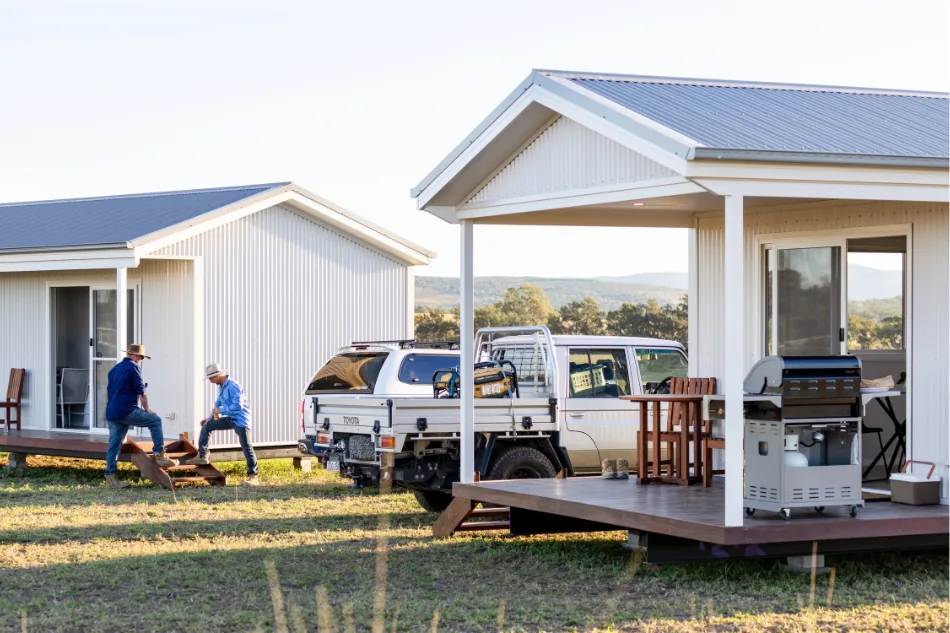
Modular housing cost Australia explained: see the seven budget areas beyond the unit price, from freight and footings to approvals and services.