



Learn what a tempering valve does, why it’s required in Australia, and how it protects your workers and your property investment.


HUGE SALE NOW ON MODULAR HOUSING! MASSIVE SAVINGS UP TO $30,000
A tempering valve is a device installed in hot water systems to control water temperature at the outlet. It mixes hot water from the storage tank with cold water from the mains supply to deliver water at a safe temperature.
In Australia, stored hot water must be kept at around 60°C to prevent the growth of bacteria such as Legionella. At this temperature, water can cause serious burns in seconds. A tempering valve reduces the temperature—usually to a maximum of 50°C—to minimise the risk of scalding while still meeting hygiene requirements.
1. Regulatory requirement
The Plumbing Code of Australia requires tempering valves for most hot water storage systems in workplaces and accommodation. This ensures outlet water temperatures remain within safe limits.
2. Operational safety
Australian managers and owners who are smart about their investment in their land or workers know that safety measures like tempering valves aren’t just box-ticking—they’re about keeping operations smooth and avoiding costly interruptions.
3. Automatic control
Tempering valves use a built-in thermostat to automatically adjust the ratio of hot and cold water. The correct type should be chosen for the system—electric, gas, solar, or heat pump—to ensure long-term reliability.

Tempering valves are usually colour-coded:
If the installed valve is incorrect for the system type, or if it has not been inspected for several years, a qualified plumber should check and replace it if necessary.
A tempering valve ensures hot water is delivered at a safe temperature while allowing the storage system to operate at the higher temperatures needed for hygiene compliance. It is a standard safety component in most Australian hot water systems.
When you’re planning or upgrading worker accommodation, choosing superior accommodation that’s fast and built to last means these safety essentials are factored in from the start—saving you time, meeting compliance, and protecting your investment. Aruva Modular can help make that process straightforward.

Download your copy of our Accommodation Guide.
Aruva’s experienced team will collaborate with you about our modular accommodation solutions.

Talk to us about your property, timeline and requirements.

We’ll supply a proposal based on your design preference.

Place your order! We’ll build and install your new modular accommodation.
There’s no place like home, right? Your staff can spend their evenings in comfort and style, relaxing and connecting with friends and family, and then recharge their batteries with some quality zzzzs.


Our Resources
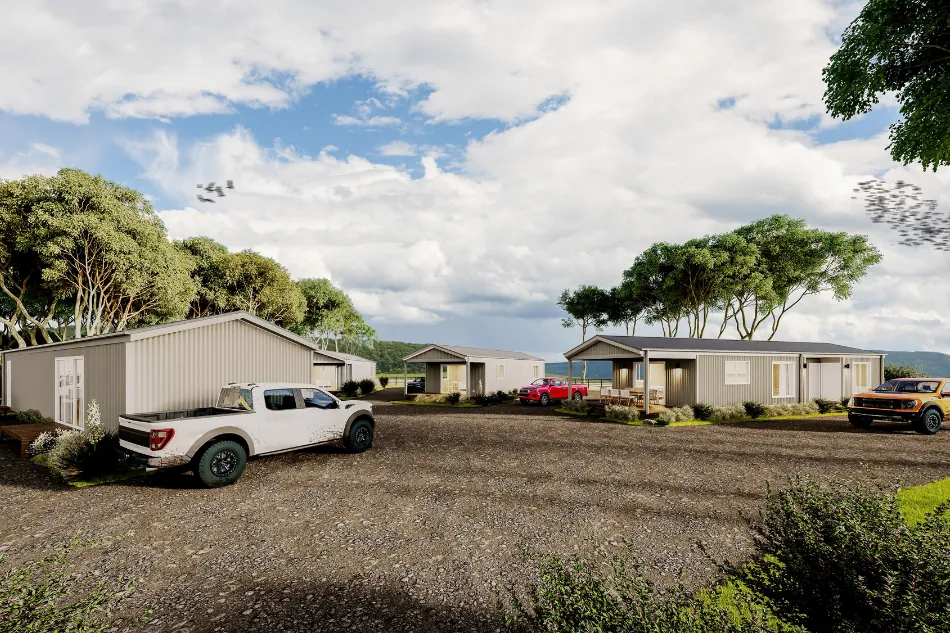
Learn how scalable worker housing helps farm operators meet current demand, plan for growth and avoid committing to excess capacity too early.

Planning multiple modular housing units? Learn what to check for power, water and wastewater before you lock in site layouts or unit numbers.
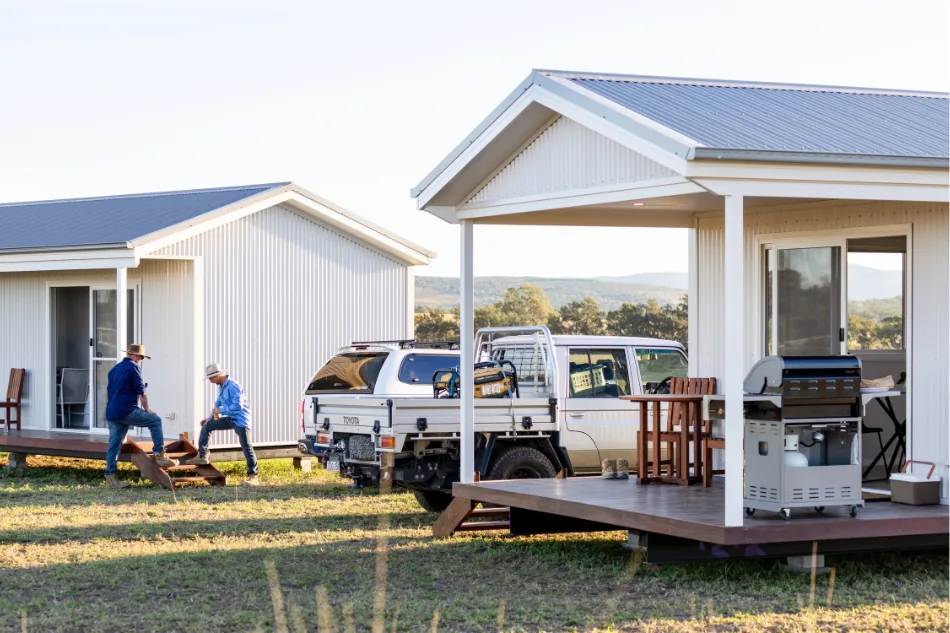
Modular housing cost Australia explained: see the seven budget areas beyond the unit price, from freight and footings to approvals and services.