



Still think modular buildings aren’t durable? Discover why that old narrative is costing you and how modern modular delivers lasting value. It’s time to rethink.


HUGE SALE NOW ON MODULAR HOUSING! MASSIVE SAVINGS UP TO $30,000
You’ve probably heard it—or maybe even said it yourself:
“Modular buildings? They don’t last.”
For a lot of property managers, procurement leads and business owners, that assumption is still floating around. It’s a legacy idea—outdated, unfair, and frankly, a bit costly if you’re still using it to guide your decisions.
So let’s get this straight: modular construction today is not what it used to be. And if you’re still picturing dodgy school portables from the ‘70s, you’re due for a serious rethink.
The stigma didn’t come out of nowhere. After World War II, Australia needed fast, cheap, and temporary buildings—and that’s exactly what it got. From school portables to mining dongas, these structures were built to solve short-term problems, not stand the test of time.
They weren’t meant to be permanent. But they stuck around long enough to leave a lasting impression. If you’re in your 50s or 60s and you grew up in one of those classroom boxes with rattling windows and tin roofs, it’s no surprise you’re wary. But that was then. What’s frustrating is that the industry has moved on—and a lot of decision-makers haven’t.
Here’s what modern modular actually looks like:
If that still sounds like a flimsy option, then you’ve been sold a false story.
The longer this stigma sticks around, the more money and opportunity gets left on the table.
All while the industry is moving forward without you.
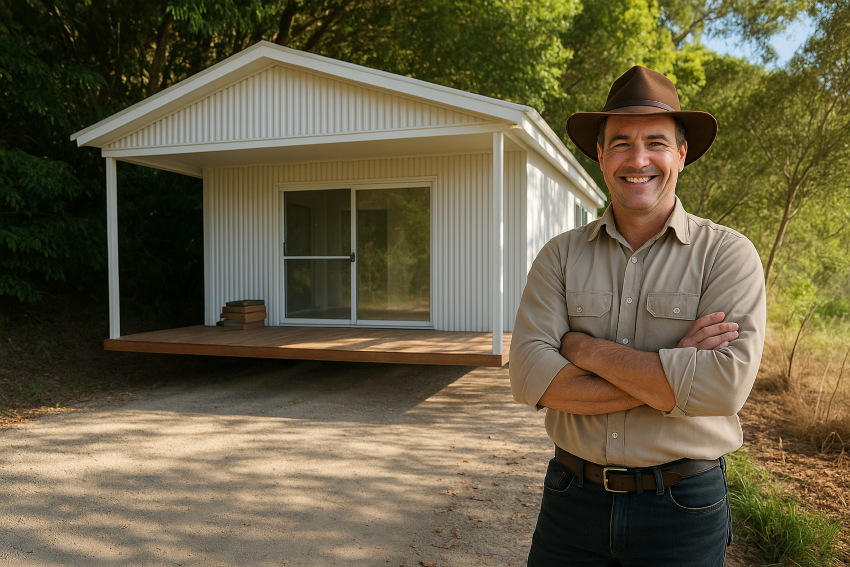
There’s a growing group of asset managers, government buyers and operational leads who’ve done their homework. They’ve seen the data, they’ve walked through finished builds, and they’re moving fast. These are the smart decision-makers—leaders who are clear-eyed about what durability really looks like in 2025, and who are investing in modular to better support their teams, communities, or guests. They’re the ones getting better performance, and in many cases, stronger morale from the people they’re providing for. They’re not chasing innovation for innovation’s sake. They’re being smart about their investments in their people for getting better performance from their organisation. That’s what the new modular conversation is about: performance. Durability. ROI. Control over outcomes.
At Aruva Modular, we know this first-hand. And while this blog isn’t just about us, it’s worth saying: we’re part of the change.
We focus on the rapid fulfilment of superior modular buildings, driven by efficient processes & approved partnerships. That’s our niche. And we’re not alone—there’s a new wave of builders doing modular properly.
If you’re weighing your options, here’s what to look for:
And no, you shouldn’t need to wrap your modular unit in a massive steel carport just to protect it from a bit of weather. If you do, you’ve picked the wrong builder.
Modular isn’t the future—it’s already here. What we’re correcting now is the narrative. And frankly, it’s overdue.
If you’re managing housing assets—whether it’s for remote staff, aged care, faith-based accommodation, or emergency services—your biggest risk isn’t going modular. It’s failing to reassess what modular has become.
Because here’s the reality: Strong, simple, and built to last—so your investment keeps delivering.
It’s time to leave the myths in the past, where they belong.
It’s why we say: Real Living. Delivered.
Want to learn more about how durable modular is reshaping how Australia builds smarter, faster, and stronger? Visit Aruva Modular to explore what’s possible.

Download your copy of our Accommodation Guide.
Aruva’s experienced team will collaborate with you about our modular accommodation solutions.

Talk to us about your property, timeline and requirements.

We’ll supply a proposal based on your design preference.

Place your order! We’ll build and install your new modular accommodation.
There’s no place like home, right? Your staff can spend their evenings in comfort and style, relaxing and connecting with friends and family, and then recharge their batteries with some quality zzzzs.


Our Resources

Planning multiple modular housing units? Learn what to check for power, water and wastewater before you lock in site layouts or unit numbers.
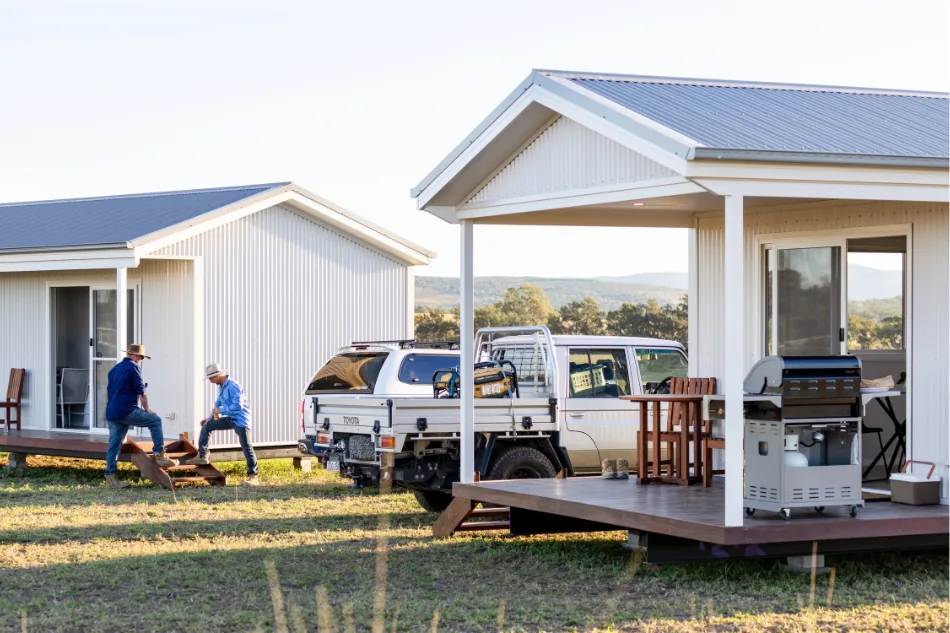
Modular housing cost Australia explained: see the seven budget areas beyond the unit price, from freight and footings to approvals and services.
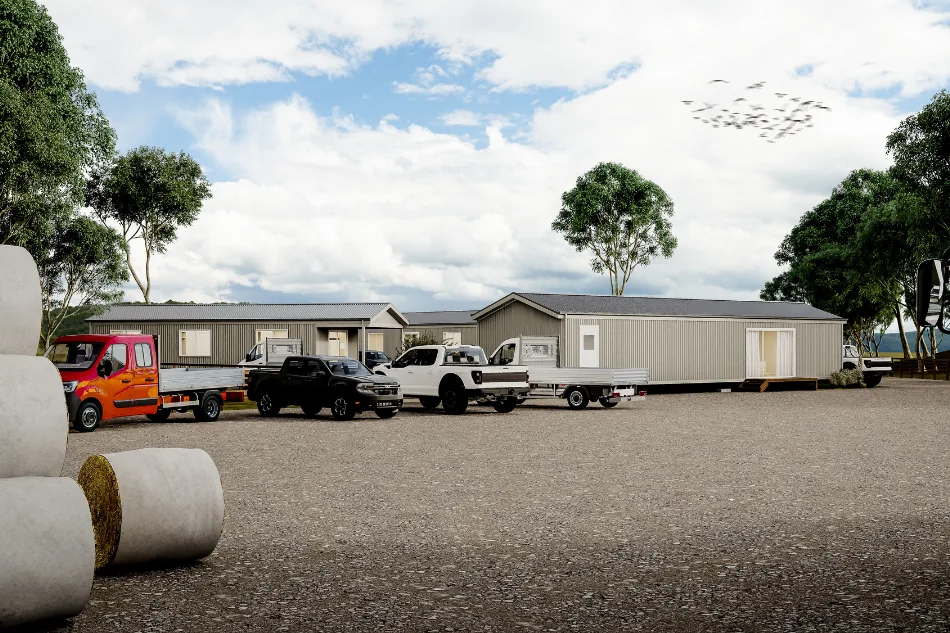
Worker housing costs go beyond the build. See how vacancies, overtime, travel and management time can raise the cost of inadequate housing.