



What is a floor drain, and why is it essential in modular bathrooms and laundries? Discover its role, compliance standards in NSW, and how it protects your investment in modular builds


HUGE SALE NOW ON MODULAR HOUSING! MASSIVE SAVINGS UP TO $30,000
If you’ve ever looked down in the middle of a bathroom or laundry floor and noticed a round, grated opening that doesn’t seem to be connected to a fixture, you’ve seen a floor drain — technically called a floor waste.
It’s a quiet little feature, but it plays a big role in keeping wet areas safe, compliant, and functional.
For anyone working with modular buildings in New South Wales — whether you’re a property developer, facility manager, rural site operator or someone managing modular housing for workforce or accommodation purposes — understanding the purpose and standards around floor wastes can help you make informed decisions and avoid common pitfalls.
A floor waste is a grated opening in the floor of a wet area, usually found in bathrooms, laundries, or sometimes commercial kitchens. Unlike drains in showers, toilets or vanities, which are connected directly to fixtures, floor wastes are positioned in the floor itself, typically in the centre or the lowest point of the room.
Their job is simple but important: to act as an overflow outlet.
If a washing machine hose pops off, if a sink or tub overflows, or if a tap is left running, the floor waste is there to give the excess water somewhere to go — and help prevent flooding damage to the rest of the building.
In short: it’s not there for everyday water flow — it’s there as a backup.
When you’re delivering modular buildings across NSW — whether for essential worker housing, agricultural accommodation, or commercial use — compliance and risk reduction are paramount.
Floor wastes aren’t optional. In many wet areas, they’re a regulatory requirement, as set out in the National Construction Code (NCC).
In NSW, these drains are part of what’s called a sanitary drainage system — and they’re governed by the NCC (Vol 2, Housing Provisions) and Australian Standard AS/NZS 3500.2:2021 (Sanitary plumbing and drainage).
These standards specify:
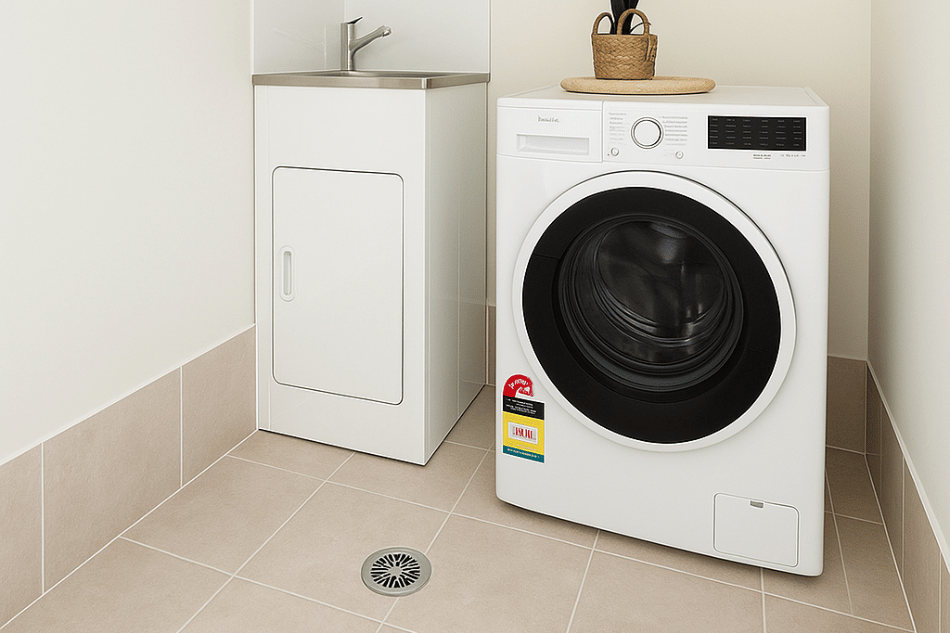
Skipping a floor waste (or installing it incorrectly) is more than just poor design — it can mean non-compliance, costly rework, or water damage down the track.
In modular buildings, where rooms are pre-fabricated and delivered to site, it’s essential to get this detail right from the start.
A poorly placed or missing floor waste in a modular laundry or bathroom could mean:
Smart developers, operators and asset managers understand this. It’s not just about ticking a box — it’s about protecting the investment.
Strong, simple, and built to last—so your investment keeps delivering.
In modular construction, wet areas are typically manufactured offsite in controlled environments — making it easier to achieve the correct floor falls, sealing, and integration with the drainage system.
A well-executed floor waste in a modular unit is:
This is where working with experienced modular providers makes a difference. Our process keeps it simple, so you’re sorted from start to finish.
A floor waste might seem like a small detail, but it’s one that protects your asset, your occupants, and your bottom line. It’s a mandatory feature in many wet areas for good reason — and in modular buildings, getting it right from the start just makes sense.
It’s why we say Real Living. Delivered.

Download your copy of our Accommodation Guide.
Aruva’s experienced team will collaborate with you about our modular accommodation solutions.

Talk to us about your property, timeline and requirements.

We’ll supply a proposal based on your design preference.

Place your order! We’ll build and install your new modular accommodation.
There’s no place like home, right? Your staff can spend their evenings in comfort and style, relaxing and connecting with friends and family, and then recharge their batteries with some quality zzzzs.


Our Resources

Planning multiple modular housing units? Learn what to check for power, water and wastewater before you lock in site layouts or unit numbers.
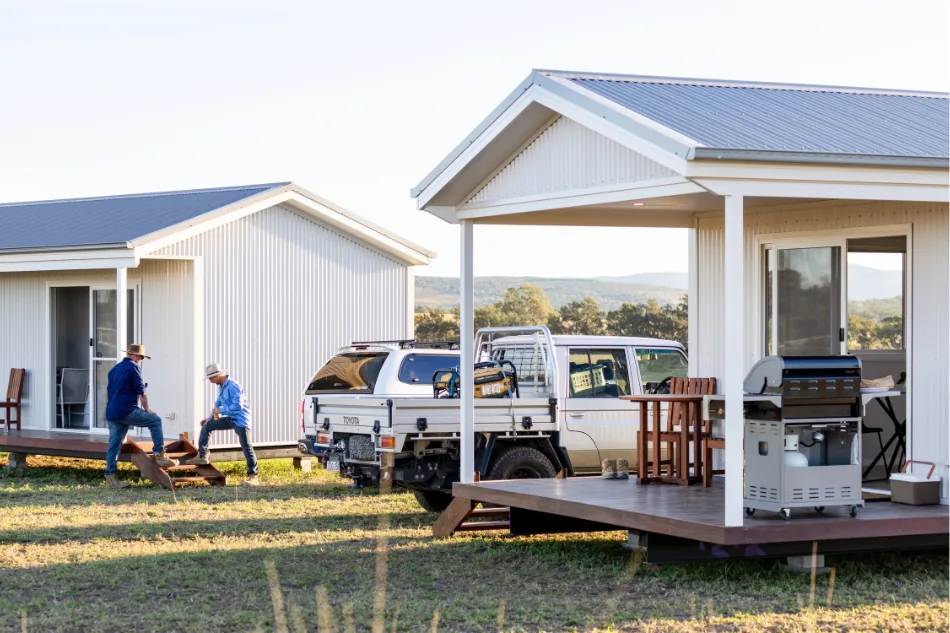
Modular housing cost Australia explained: see the seven budget areas beyond the unit price, from freight and footings to approvals and services.
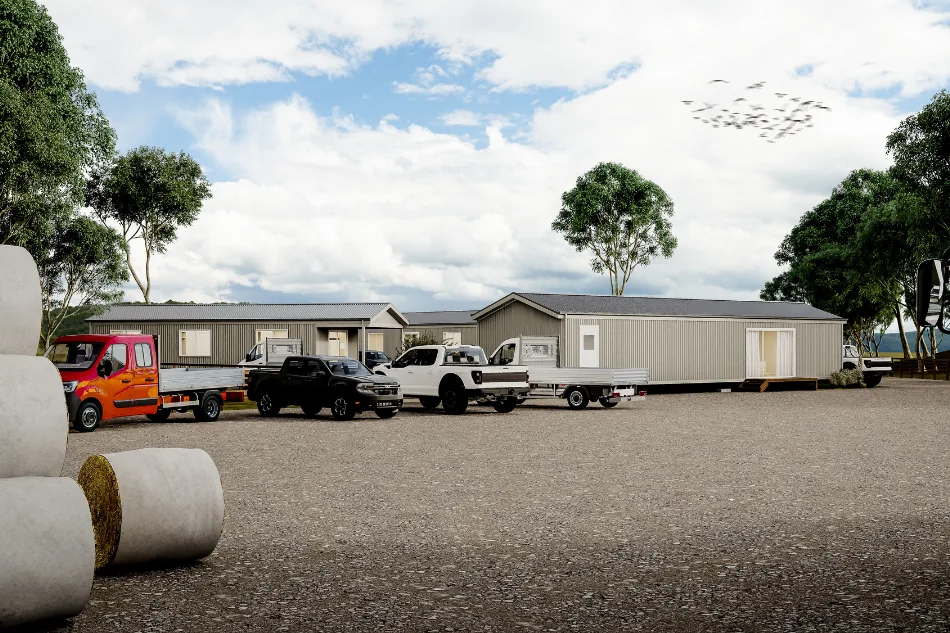
Worker housing costs go beyond the build. See how vacancies, overtime, travel and management time can raise the cost of inadequate housing.