

Choosing the right location for your accommodation unit is key to safety, efficiency, and ROI. Follow this practical Aussie farmer’s checklist to guide smart site decisions.



Whether you’re setting up accommodation for workers, contractors or seasonal tenants, one of the most important decisions you’ll make is where to place it. Get the location wrong, and you’ll pay for it in time, cost and ongoing headaches. Get it right, and you’re setting yourself up for long-term return with minimal hassle.
This checklist gives you the key things to think about when choosing a location for your accommodation unit. Nothing complicated—just the core principles that make a difference when it comes to safety, performance and return on investment.
Because at the end of the day, strong, simple, and built to last—so your investment keeps delivering.
Location Checklist for A Superior Accommodation
| Checklist | Notes |
|
♦ |
Have you clearly defined the purpose of this unit (e.g. worker rest, standby, security)? | Directly affects placement and fit-out |
| ♦ | Will the unit be used daily, seasonally, or occasionally? | Informs access requirements and service intensity |
| ♦ | Who will manage or maintain the unit long-term? | Helps assign responsibilities for service access, keys, faults |
|
♦ |
Is the site reachable by all required vehicles (utes, 4WDs, service vehicles) in all weather? | Avoid locations that become inaccessible during rain |
|
♦ |
Is there turning space for delivery or emergency vehicles near the unit? | Especially important for modular transport or refuelling |
|
♦ |
Are walkways to key areas (kitchen, ablutions, work zones) clear and safe? | Minimise mud paths or erosion-prone tracks |
|
♦ |
Can personnel move safely to and from the unit at night? | Add lighting or solar bollards if required |
| ♦ | Is there nearby access to power, water, septic, or sewer? | Reduces installation costs and trenching |
|
♦ |
Have you mapped all underground services and potential conflict zones? | Use Dial Before You Dig to avoid costly disruptions |
|
♦ |
Will the location allow easy maintenance of these services? | Avoid locations requiring excessive vehicle access or disruption |
|
♦ |
Is there potential for greywater discharge or overflow to cause damage? | Ensure fall away from buildings or access paths |
| ♦ | Is the site protected from prevailing winds and storms? | Consider shelter belts, ridges, or natural buffers |
|
♦ |
Is the unit oriented to reduce sun load, especially western heat? | Informs access requirements and service intensity |
|
♦ |
Is the ground well-drained and not prone to pooling water? | Avoid low spots or blacksoil zones that bog down |
|
♦ |
Have you considered flood mapping or local water flow in heavy rain? | Use existing runoff patterns or construct a swale if needed |
| ♦ | Is the unit placed far enough from areas with crop spraying, dust or noise? | Health, safety, and comfort of occupants |
|
♦ |
Is there a sufficient buffer between the unit and active farm or industrial zones? | Reduce interference and improve productivity |
|
♦ |
Is the location far enough from livestock yards or effluent areas? | Odour, hygiene, and compliance considerations |
|
♦ |
Can the unit be seen from main access tracks, headquarters or the homestead? | Improves safety and supervision |
| ♦ | Are firebreaks, muster points and exit routes considered? | Part of bushfire readiness and emergency planning |
|
♦ |
Is there a designated safe path to evacuate in case of emergency? | Should be driveable in most weather conditions |
|
♦ |
Is there room to add more units nearby without major site reshaping? | Future expansion without downtime |
|
♦ |
Will the utility setup support additional loads if more units are added? | Plan upfront to avoid overloading power or septic |
|
♦ |
Are there current or future zoning/planning restrictions that might affect the use of this area? | Consult local council guidelines or planning overlays |
Choosing the right location isn’t about guesswork—it’s about matching the unit to its purpose and the realities of the site. That’s how experienced operators plan, and why location selection is a key part of maximising long-term return.

Download your copy of our Accommodation Guide.

Talk to us about your property, timeline and requirements.

We’ll supply a proposal based on your design preference.

Place your order! We’ll build and install your new modular accommodation.
There’s no place like home, right? Your staff can spend their evenings in comfort and style, relaxing and connecting with friends and family, and then recharge their batteries with some quality zzzzs.


Our Resources

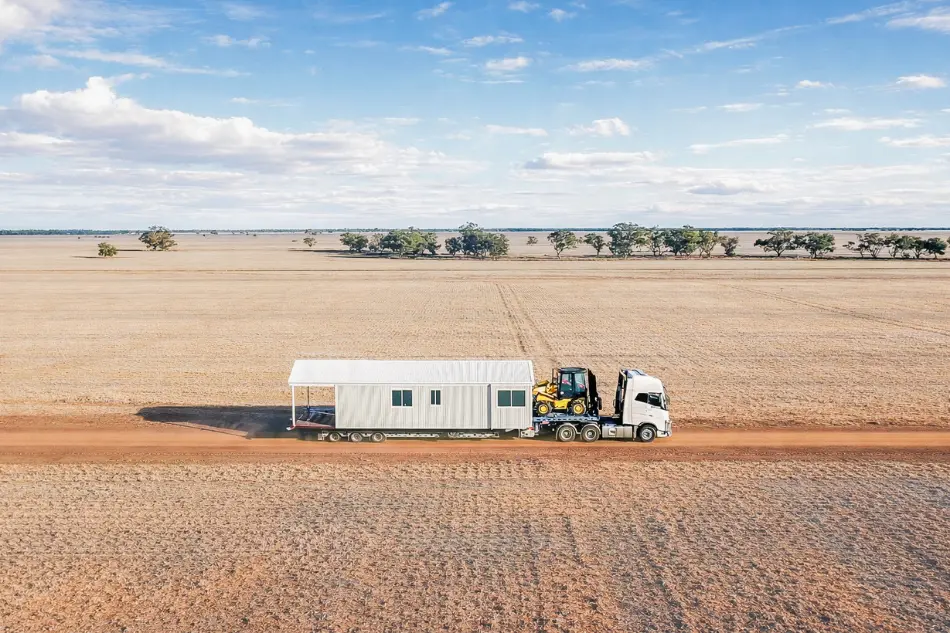
Modern methods of construction can cut site hours, reduce delay risk, and improve value. Here’s how to compare build options with confidence.
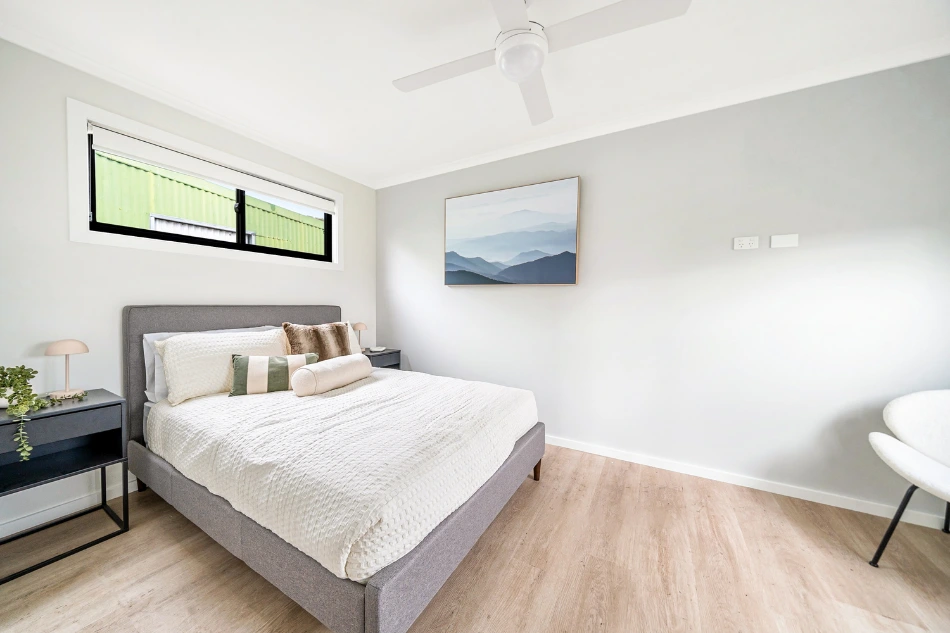
How many people per bedroom in worker accommodation? Practical limits, WHS risks, and a simple checklist to set a clear, defensible standard.