


Understand what Class 1b accommodation means and why it matters for anyone managing short-term lodging on farms or remote sites.


HUGE SALE NOW ON MODULAR HOUSING! MASSIVE SAVINGS UP TO $30,000
You don’t hear people talking about “Class 1b” every day. But if you’re setting up accommodation for workers, contractors, or short-term tenants—especially in regional or remote settings—it’s something you’ll want to understand, or at least be sure that your builder does.
A good builder or supplier should already be across this classification. If they’re not, that’s your cue to ask more questions.
Under the National Construction Code (NCC), Class 1b covers small-scale shared accommodation. Specifically, it applies to:
This classification sits between single residences and commercial lodging. It’s designed for practical, short-stay setups—not family living, not long-term tenancy.
Class 1b is commonly used for accommodation such as:
Many owners and operators who are smart about their investment in their land and workers already lean on Class 1b when planning out low-maintenance, short-term accommodation.
The classification isn’t talked about until late in a project—but it affects decisions made from the very start. If your supplier or builder understands it from day one, the rest flows a lot smoother.
Getting the right classification is more than just ticking a box. It affects:
It also affects whether you’ll be asked to upgrade something after the fact—which is the last thing you want once people are already booked in to stay.
If your project involves rotating workers, short stays or accommodation tied to a commercial operation, it’s worth confirming you’re within the Class 1b scope. You can check a state-based guide like the QBCC resource to get a feel for what’s expected.
For Class 1b accommodation, there are some specific standards that need to be followed. These often include:
These aren’t just regulations—they’re also about making sure people staying in your accommodation are safe, and that you’re protected from liability.
You can find more detail via Disability Access Consultants, particularly if your setup involves rentals or conversions.
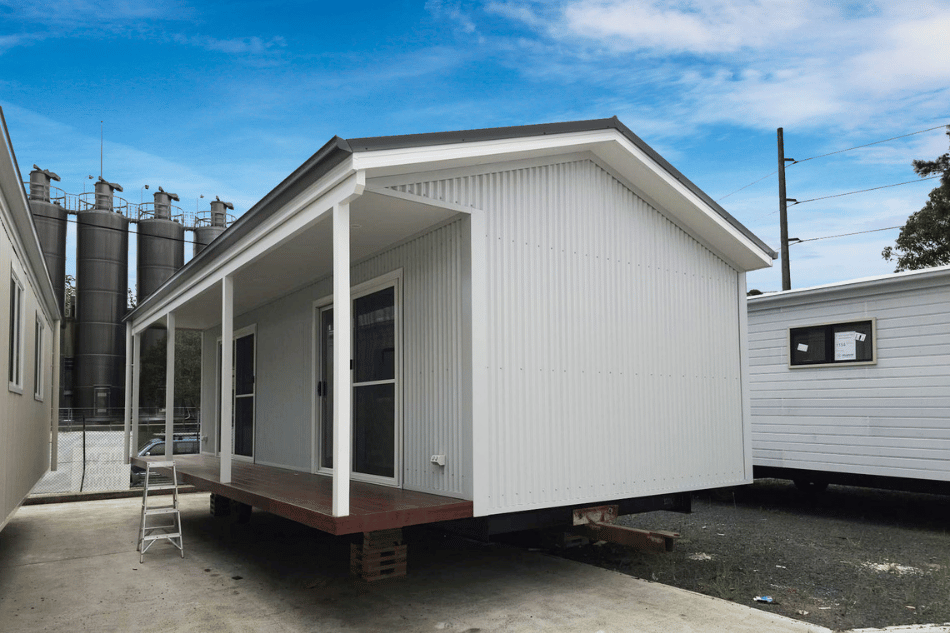
Some small-scale modular accommodation setups fall under Class 1b. That’s because they’re often used for short-term or seasonal use, involve multiple units on a single site, and stay under the size and occupancy limits.
It’s a common classification among Australian managers making informed decisions about durable accommodation—particularly those who value clear compliance and minimal maintenance.
If you’re considering this setup, see how superior modular accommodation for workers fits within these guidelines
If you’re managing a property that needs accommodation for workers, tenants or short-term occupants, it’s worth confirming whether Class 1b applies.
Getting it right early in the process can help with approvals, safety compliance, and long-term peace of mind.

Download your copy of our Accommodation Guide.
Aruva’s experienced team will collaborate with you about our modular accommodation solutions.

Talk to us about your property, timeline and requirements.

We’ll supply a proposal based on your design preference.

Place your order! We’ll build and install your new modular accommodation.
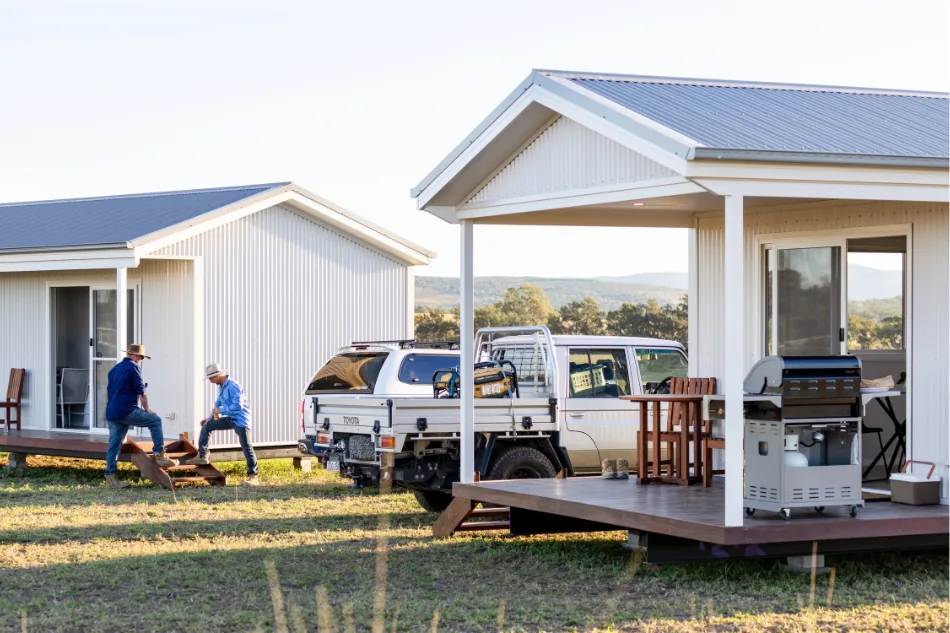
There’s no place like home, right? Your staff can spend their evenings in comfort and style, relaxing and connecting with friends and family, and then recharge their batteries with some quality zzzzs.


Our Resources
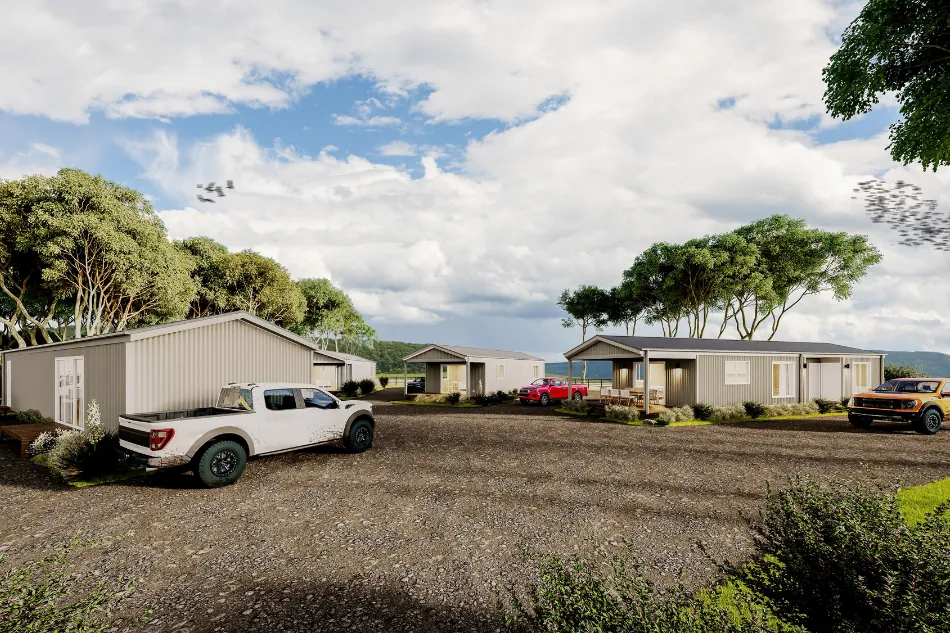
Learn how scalable worker housing helps farm operators meet current demand, plan for growth and avoid committing to excess capacity too early.

Planning multiple modular housing units? Learn what to check for power, water and wastewater before you lock in site layouts or unit numbers.
Modular housing cost Australia explained: see the seven budget areas beyond the unit price, from freight and footings to approvals and services.