



Learn about the best footing options for modular worker accommodation, including steel piers and dry stack footings. Find out which foundation suits your land.


HUGE SALE NOW ON MODULAR HOUSING! MASSIVE SAVINGS UP TO $30,000
When you’re setting up modular accommodation for workers, the foundation is one of the most important decisions you’ll make. It’s about keeping your units safe, steady, and lasting through the years. There are a lot of footing types out there, but for modular worker accommodation, two stand out: steel piers and dry stack footings. Both of these methods are solid, dependable options, but it’s always worth knowing what you’re dealing with and making the best call for your setup.
It’s also worth noting: while these are the two most common foundation types, they’re not the only ones. Depending on your site, your preferences, and where you live, you might come across other options, so it’s important to work with your supplier to make sure you’ve got the right fit.
Steel piers are a go-to for a reason. These strong metal posts are driven deep into the ground to give your modular units a solid base.
Why Choose Steel Piers:
Things to Keep in Mind:
The dry stack method has been around for ages, and there’s a reason for that. It’s simple, cost-effective, and it works. It involves stacking rocks or concrete blocks without mortar to create a solid foundation.
Why Choose Dry Stack Footings:
Things to Keep in Mind:

Now, deciding between steel piers and dry stack footings depends on a few key factors. While these are the most common options, they aren’t the only ones. And whatever method you choose, it’s always best to chat with your supplier—they’ll usually have done the engineering work already and can give you exactly what you need.
Steel piers and dry stack footings are two of the best footing options for modular worker accommodation, but they’re not the only ones. The key is making sure you’re picking the right one for your land and your budget.
And while this blog gives you a good overview, there’s plenty of detail that hasn’t been covered here—things like pier depth, concrete strength, and how deep your holes should be. Those specifics should always be discussed with your supplier, who’ll have the technical details sorted for your accommodation units. And it’s a good idea to get an engineer involved to make sure everything’s up to scratch.
In the end, the foundation you choose will ensure your worker accommodation stands the test of time. Get it right, and you’ll have solid, reliable housing for years to come.

Download your copy of our Accommodation Guide.
Aruva’s experienced team will collaborate with you about our modular accommodation solutions.

Talk to us about your property, timeline and requirements.

We’ll supply a proposal based on your design preference.

Place your order! We’ll build and install your new modular accommodation.
There’s no place like home, right? Your staff can spend their evenings in comfort and style, relaxing and connecting with friends and family, and then recharge their batteries with some quality zzzzs.


Our Resources
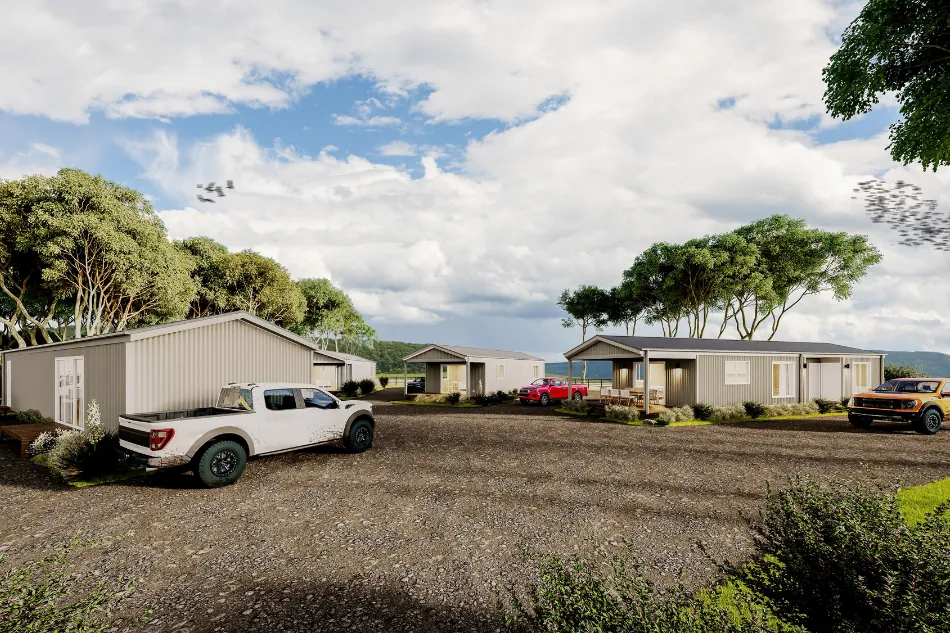
Learn how scalable worker housing helps farm operators meet current demand, plan for growth and avoid committing to excess capacity too early.

Planning multiple modular housing units? Learn what to check for power, water and wastewater before you lock in site layouts or unit numbers.
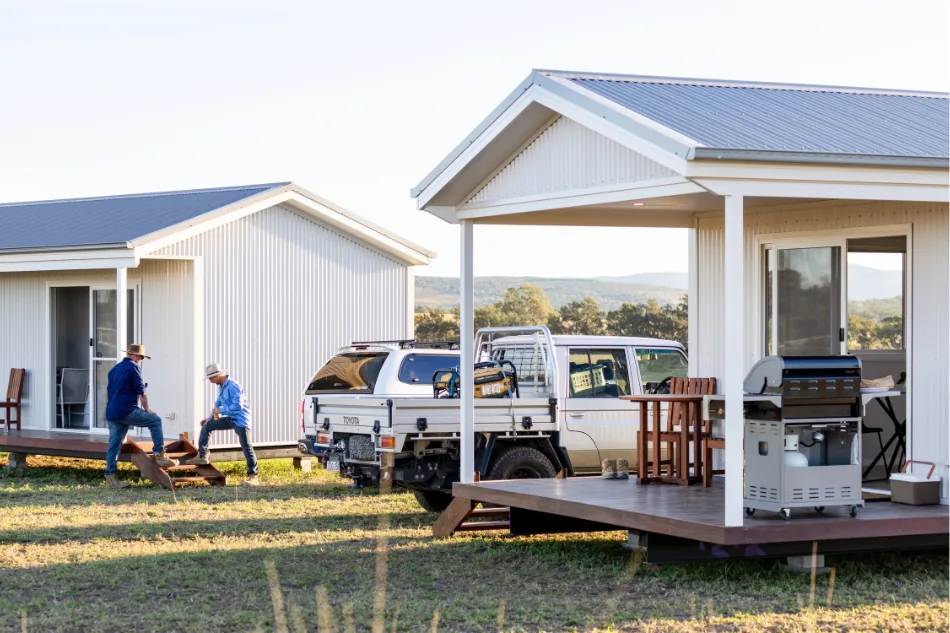
Modular housing cost Australia explained: see the seven budget areas beyond the unit price, from freight and footings to approvals and services.