



Discover what actually goes into bathroom waterproofing—and why the unseen stages of a build can make or break your long-term investment.


HUGE SALE NOW ON MODULAR HOUSING! MASSIVE SAVINGS UP TO $30,000
When you step into a finished bathroom or laundry, what grabs your eye are the tiles, tapware and clean lines. But the most important part of that room—the bit that makes everything else work—is the layer you can’t see: the waterproofing.
It’s done early in the build, before tiles are laid and fixtures installed. It’s not the kind of thing that makes headlines in a project brief. But when you’re investing in accommodation that needs to perform over time, it’s one of the most critical layers there is.
Waterproofing isn’t glamorous, but it’s precise. It has to be. It’s not just about preventing splashes or spills—it’s about containing what happens when water gets into the wrong places.
Here’s what actually goes into proper waterproofing before the surfaces go on:
It’s methodical work that’s invisible once finished, but essential for the longevity of any wet area.
In Australia, wet area waterproofing is regulated by AS 3740:2021, with further guidance from the National Construction Code (NCC 2022). These standards specify where and how waterproofing must be applied in areas like bathrooms, laundries, and powder rooms.
More than just ticking a box, good waterproofing comes down to consistent workmanship and attention to detail. That’s where we focus—because anything less invites risk.
It’s the kind of thinking we see from managers who are smart about their investment in the people they provide for—those focused on performance, durability and long-term value across their organisation.
Waterproofing is one of those things that doesn’t get noticed until it goes wrong. But when it does, the impact can be significant:
These issues often start small and go unseen. That’s why waterproofing is a one-chance job—you either get it right from the start, or you face the costs later.
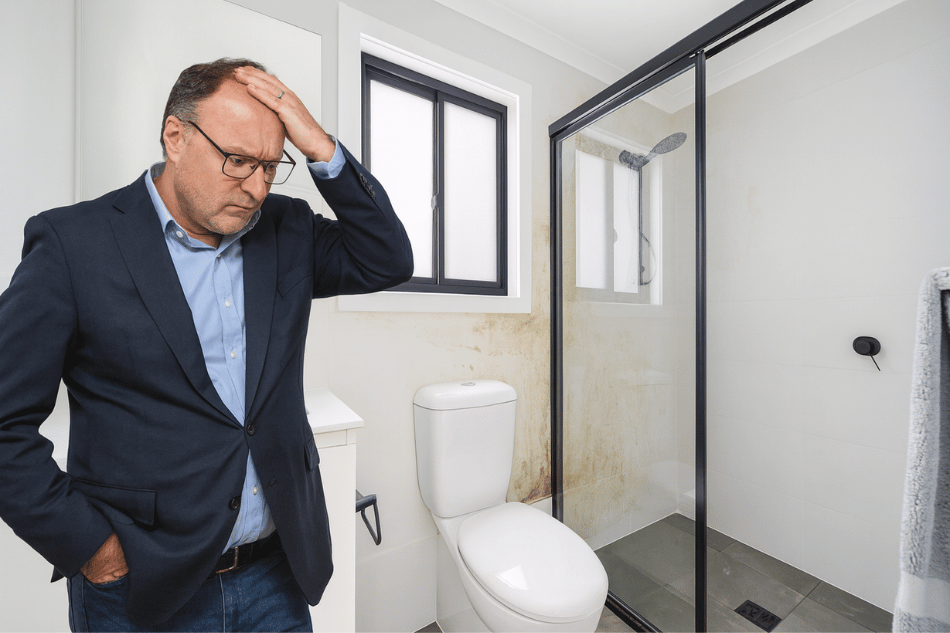
At Aruva Modular, we don’t just meet the standard—we build to last. Our waterproofing process is simple, thorough, and consistent. It’s part of how we deliver superior modular buildings with the confidence that comes from doing things properly the first time.
That’s why we continue to partner with decision-makers across sectors—from property development to government—who understand that real performance often comes down to these kinds of foundational details. Their attention to unseen quality helps get better results from the teams or communities they support.
When you’re managing assets for others, there’s a lot riding on the small details. Waterproofing is one of them. You can’t see it once the room is complete, but if it’s done right, you’ll probably never have to think about it again.
It’s the quiet layer that keeps things running smoothly. The kind of detail that smart investors, asset managers, and housing providers understand: it’s not just about how a space looks—it’s about how it holds up under pressure.
Want to know more about the build stages that protect your investment long term? Visit www.aruva.au to explore how we build smarter from the ground up.

Download your copy of our Accommodation Guide.
Aruva’s experienced team will collaborate with you about our modular accommodation solutions.

Talk to us about your property, timeline and requirements.

We’ll supply a proposal based on your design preference.

Place your order! We’ll build and install your new modular accommodation.
There’s no place like home, right? Your staff can spend their evenings in comfort and style, relaxing and connecting with friends and family, and then recharge their batteries with some quality zzzzs.


Our Resources

Planning multiple modular housing units? Learn what to check for power, water and wastewater before you lock in site layouts or unit numbers.
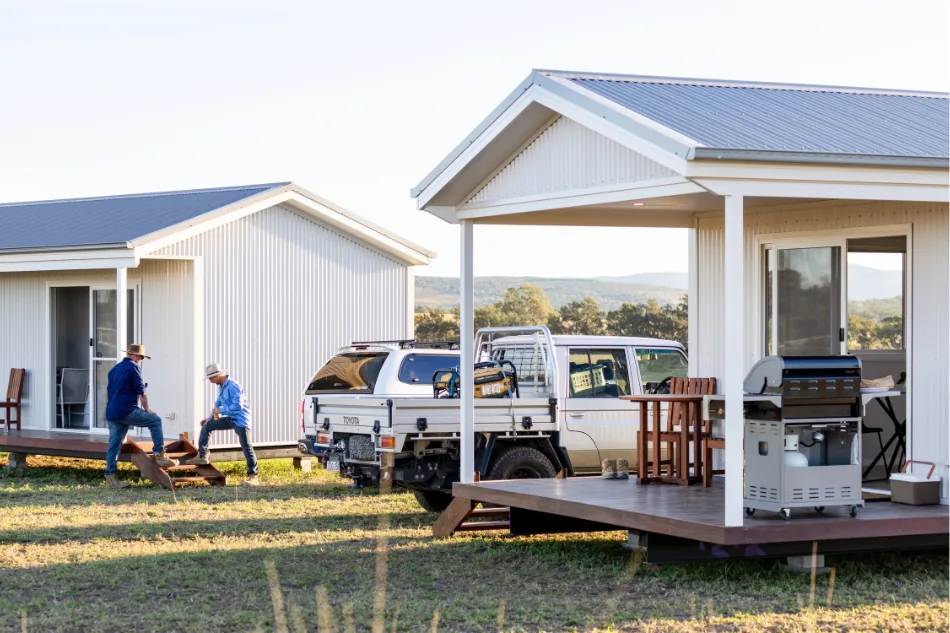
Modular housing cost Australia explained: see the seven budget areas beyond the unit price, from freight and footings to approvals and services.
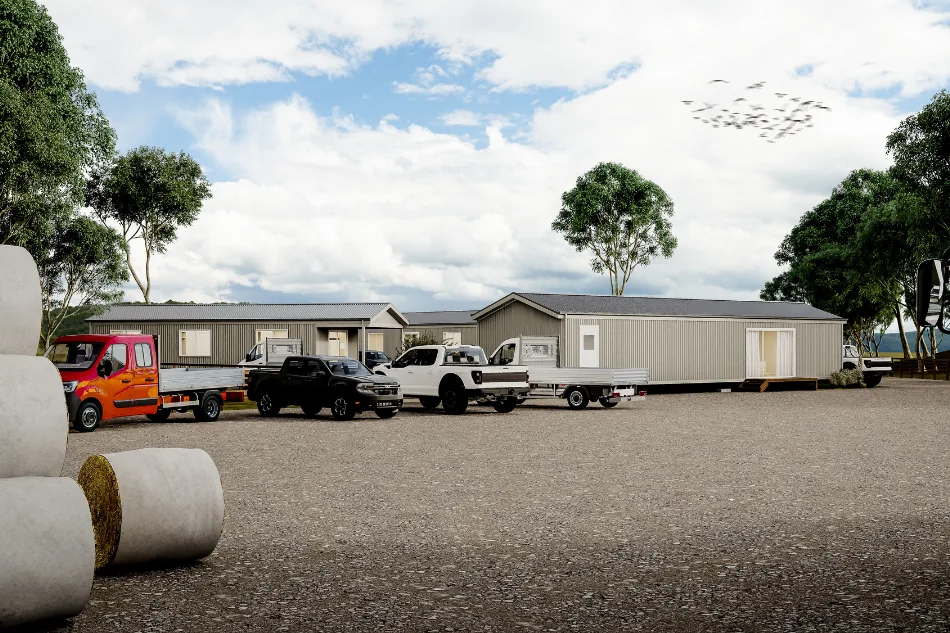
Worker housing costs go beyond the build. See how vacancies, overtime, travel and management time can raise the cost of inadequate housing.