

Learn why property managers and rural employers are investing in frontline worker accommodation that’s durable, fast to deploy, and ROI-driven. Strong, simple, and built to last.



In regional areas—on farms, rural job sites and essential services—the people working on the frontline deserve accommodation that works as hard as they do. Poor housing can undermine even the best teams, leading to absenteeism, safety issues, and difficulty attracting reliable workers. On the flip side, well-considered, functional spaces can transform how a site operates. It’s not about luxury—it’s about smart, durable assets that deliver results. Here’s why business owners and managers should take notice, supported by real insights, industry thinking, and a touch of imagination.
Well-designed and durable accommodation directly supports productivity. Workers who sleep well and live in safe, clean conditions are more likely to stay focused, avoid fatigue-related errors, and show up consistently. Quality facilities also improve morale, reduce sick leave, and contribute to a safer, more efficient workplace.
Smart leaders know: strong, simple, and built to last—so your investment keeps delivering. It’s all about A Good Night’s Sleep—and fewer disruptions to your operation.
Inadequate accommodation creates a ripple of hidden costs. Leaky roofs, inefficient designs and poor maintenance lead to:
Smart managers understand the cost of not accommodating their workers, what seems like a short-term saving often triggers long-term inefficiencies and disengaged staff. A temporary fix may seem cost-effective initially—but onsite inefficiencies and dissatisfied workers will cost you more in the long run.
Purpose-designed accommodation for workers is vastly different from repurposed or makeshift setups. It must meet operational and workforce needs—nothing more, nothing less. That means:
Forward-thinking operators prioritise long-term functionality and asset performance over temporary savings. It’s a mindset shared by managers who focus on operational continuity and workforce stability. Ultimately, this is about delivering real accommodation solutions for property owners and business managers to secure needed persons. High-performing worker accommodation underpins readiness, retention and return.
Across regional NSW, a growing number of switched-on property owners and rural operators are moving away from retrofitted cabins and towards purpose-designed, transportable accommodation. These decision-makers are looking beyond the basics—they’re listening to worker feedback about space, privacy and functionality. They’re opting for energy-smart features to cut costs over time, choosing materials that stand up to rough conditions with minimal maintenance, and rolling out staged installations that fit into their operations without disruption.
The value of durable, well‑managed worker housing is also reflected in industry-wide guidance from organisations like the NSW Farmers’ Association, which highlight the importance of liveable infrastructure in attracting and retaining essential personnel.
The result? Better satisfaction among workers, fewer replacements, and stronger performance when it counts. It’s a strategic move that keeps paying off—because when your accommodation delivers long-term, so does your team.

Picture a large agricultural property west of Dubbo heading into harvest season. Property manager Dan lines up 16 new accommodation units a few months out—each space clean, weatherproof and easy to keep in shape. Seasonal workers roll in from interstate and overseas, ready to go. Within days, they’ve settled in and productivity is full steam ahead. Over the season, downtime is minimal, morale stays high, and no one quits early.
Now imagine Dan had gone the old route—second-hand dongas with dodgy plumbing, barely insulated sheds, or workers packed into offsite rentals. Repairs pile up, frustration builds, and before the season ends, a few good workers walk. The job gets harder and costs creep up.
But with practical units sorted early, Dan’s harvest runs to plan. That’s the kind of foresight regional managers are leaning into—investing in smart, durable setups that simply get the job done.
Strong, simple units remind teams you’re reliable and serious about investing in their work conditions. That builds loyalty—and returns.
If you’re reviewing your accommodation strategy, now’s the time to take stock. Explore how modular solutions can give your workforce what it needs—without delay, without drama.
Visit www.aruva.au to see what’s working for others across NSW.

Download your copy of our Accommodation Guide.

Talk to us about your property, timeline and requirements.

We’ll supply a proposal based on your design preference.

Place your order! We’ll build and install your new modular accommodation.
There’s no place like home, right? Your staff can spend their evenings in comfort and style, relaxing and connecting with friends and family, and then recharge their batteries with some quality zzzzs.


Our Resources
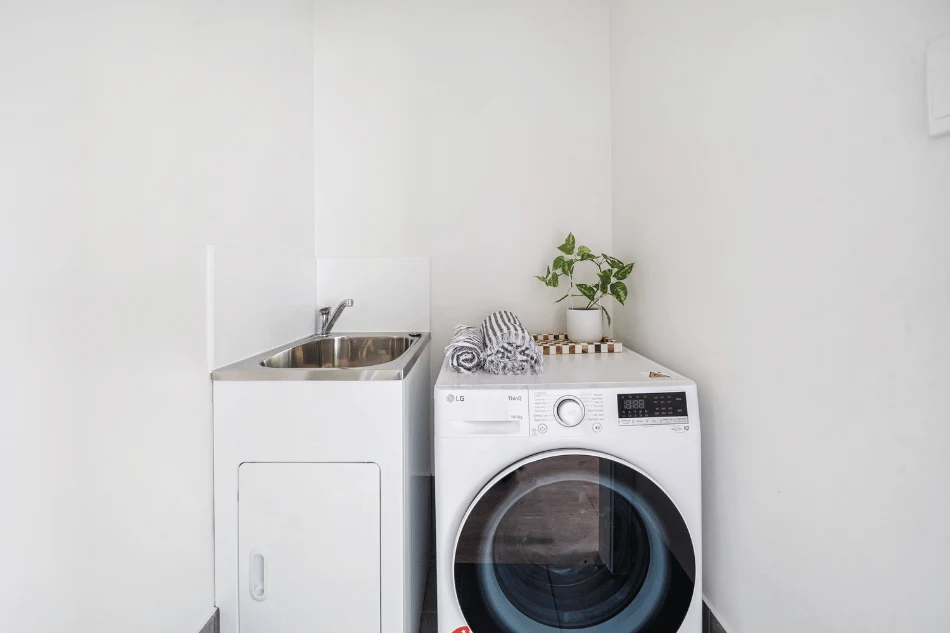
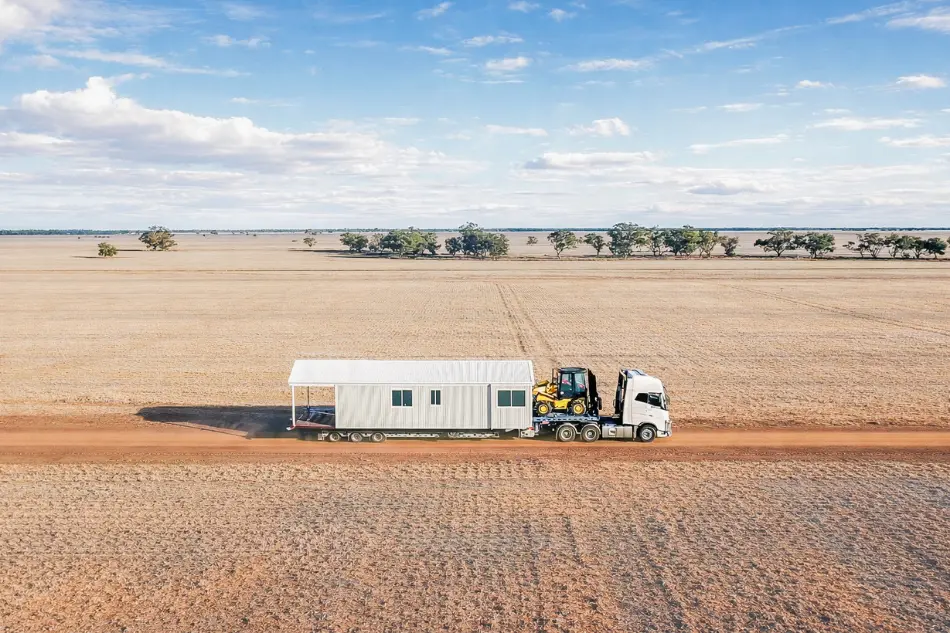
Modern methods of construction can cut site hours, reduce delay risk, and improve value. Here’s how to compare build options with confidence.
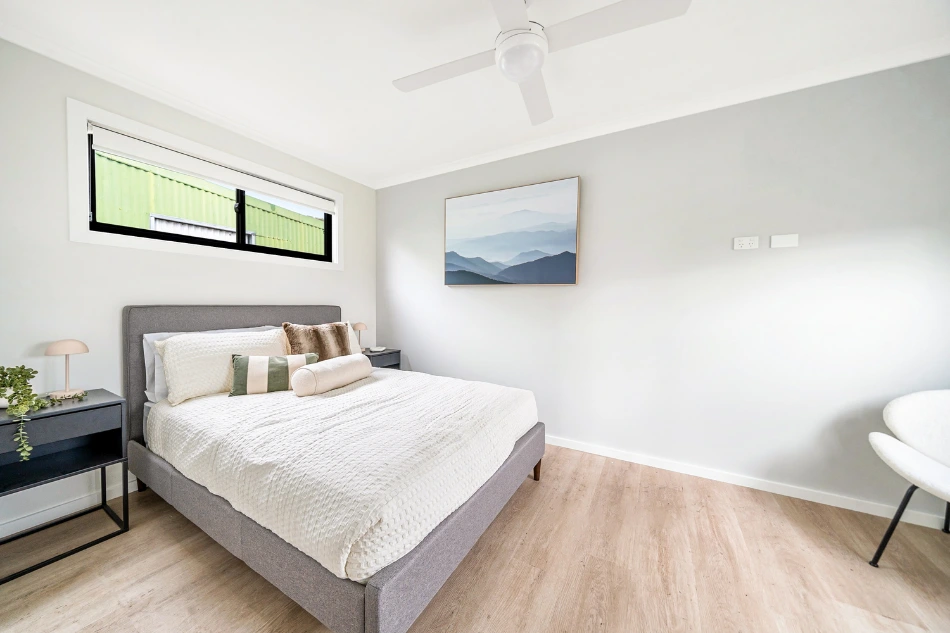
How many people per bedroom in worker accommodation? Practical limits, WHS risks, and a simple checklist to set a clear, defensible standard.