

Discover how to keep your modular unit clean with simple tips that save time, reduce wear, and boost asset performance.



Providing accommodation for workers or tenants means you’re not just offering a roof—you’re managing an asset. And like any asset, a modular guest house unit delivers better long-term value when it’s clean, maintained, and functioning efficiently.
Smart operators across Australia are already investing in modular accommodation because of its low upkeep and long-term performance. But even the most durable unit needs regular attention to stay in top shape. Whether you’re managing one or ten, here’s how to stay on top of cleanliness and keep your units looking sharp and running smoothly.
First things first: create a standard checklist. Your staff or tenants should know what’s expected in terms of daily, weekly, and monthly cleaning. A laminated printout inside the unit makes it easy. Focus on key areas:
Clean units reflect well on your operation and make it easier to attract and retain staff. It’s a simple way to show that you care—without needing big overheads.
If you’re sourcing new modular guest house units, it pays to think ahead. Prioritise finishes and fittings that are easy to wipe clean and resist grime. Look for modular units designed with strong, simple materials that hold up in real-world use—especially in high-traffic or remote environments where durability matters.
This is particularly important in regional or high-traffic environments where cleaning time is limited and usage is heavy. Less scrubbing means more uptime, lower operating costs, and better asset performance over the long haul.
Day-to-day tidying helps, but a deeper clean every few months extends the life of the asset and preserves its value. Schedule seasonal refreshes that include:
This kind of proactive maintenance is standard practice for operators who understand that prevention costs less than repairs. If you manage multiple units, consider assigning one team member to oversee the schedule—or bring in a contractor.
A unit is far more likely to stay clean if tools are on hand. Each guest house should include:
Small touches like this support compliance and reduce friction for occupants. It also sends a clear message: this unit is part of a professional operation—and should be treated as such.
Ventilation plays a big role in how clean a unit stays. When possible, ensure windows are opened regularly and exhaust fans are working as they should—especially in bathrooms and kitchenettes.
In high-humidity areas, consider moisture absorbers or compact dehumidifiers. Dry interiors mean fewer health complaints, lower risk of long-term damage, and less time spent cleaning.
For guidance on managing moisture-related risks, Safe Work Australia offers this helpful resource on indoor air quality.
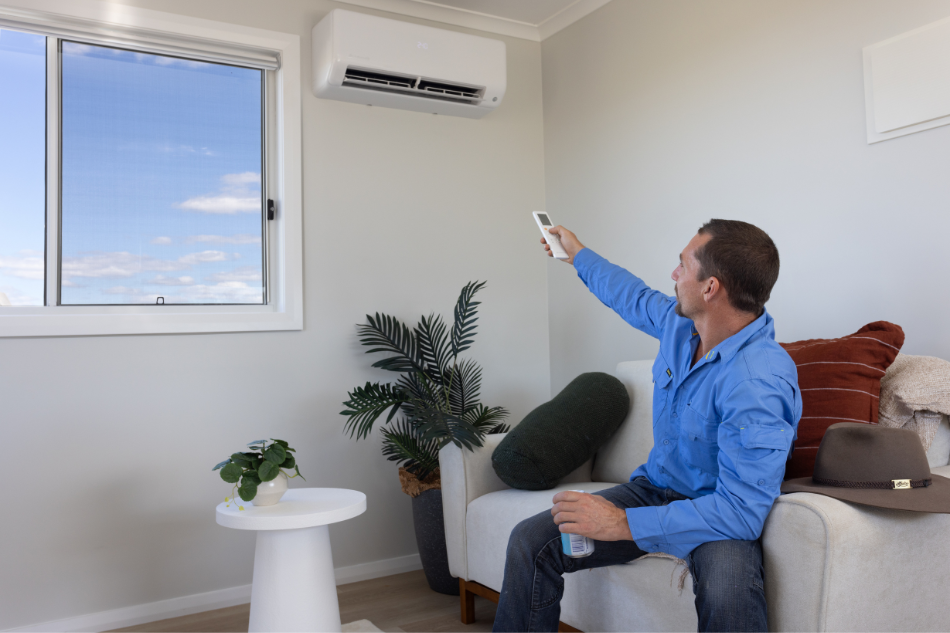
Whether you’re housing seasonal workers, construction teams, or rotating guests, give them a short induction when they move in. A five-minute rundown on cleaning expectations can prevent bigger issues later.
You don’t need to overcomplicate it—just be clear and consistent.
Keeping your modular unit clean is about more than looking tidy—it’s about:
Strong, simple units that are built to last will always give you better returns. Staying on top of routine maintenance, rather than waiting for problems to pile up, is what separates reactive management from smart, long-term asset care.
Want to learn more about how Aruva modular units can work harder for your operation? Visit www.aruva.au to explore durable, low-maintenance options tailored for essential industries across Australia.

Download your copy of our Accommodation Guide.

Talk to us about your property, timeline and requirements.

We’ll supply a proposal based on your design preference.

Place your order! We’ll build and install your new modular accommodation.
There’s no place like home, right? Your staff can spend their evenings in comfort and style, relaxing and connecting with friends and family, and then recharge their batteries with some quality zzzzs.


Our Resources
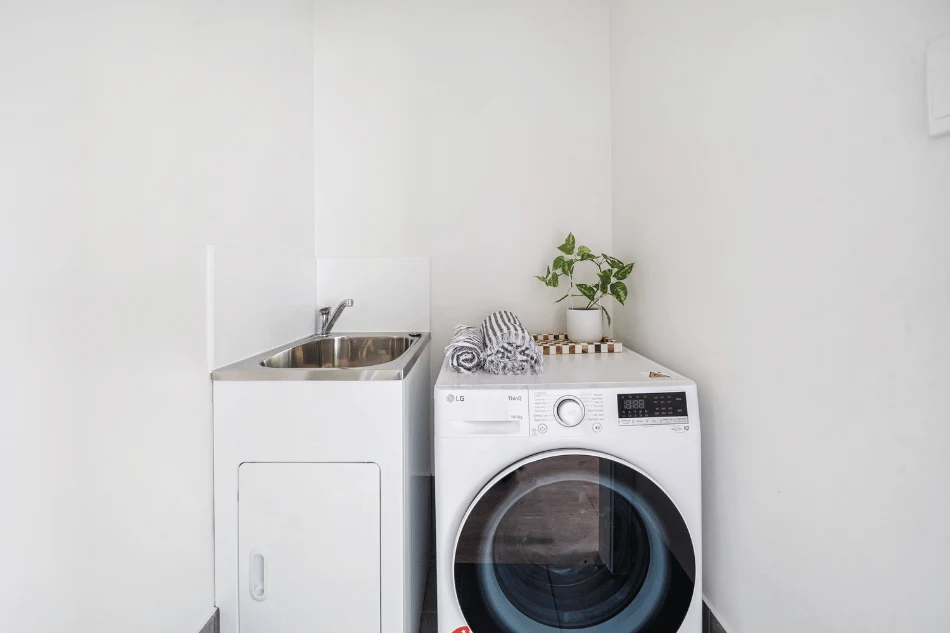
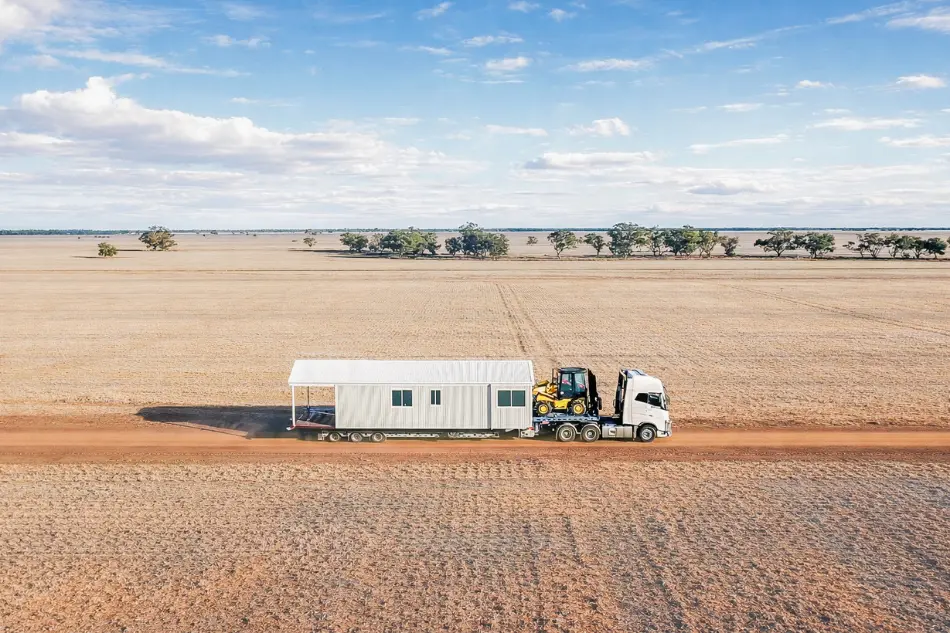
Modern methods of construction can cut site hours, reduce delay risk, and improve value. Here’s how to compare build options with confidence.
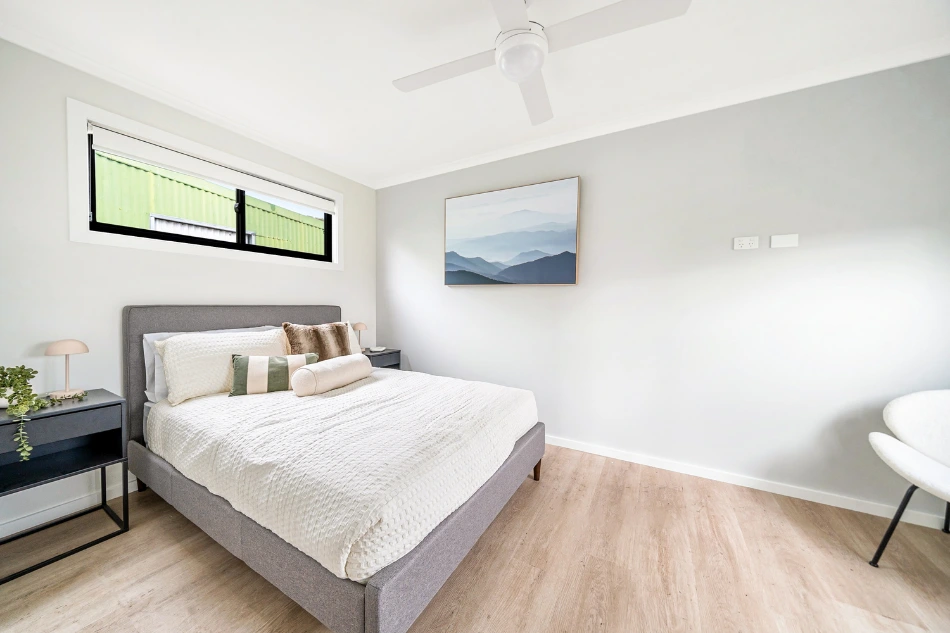
How many people per bedroom in worker accommodation? Practical limits, WHS risks, and a simple checklist to set a clear, defensible standard.