

Wondering if you need a shed roof over your modular unit? Learn why high-quality modular buildings built to Australian Standards don’t require extra cover—and when a shed roof actually makes sense.


It’s a fair question. One we hear more often than you’d think—especially from people who’ve had experience in agriculture, mining, or remote operations. The question usually goes something like:
“These modular units look fine, but should I be putting a big shed roof over the top just in case?”
It’s a concern built on real-world experience. Many project managers, farmers, and operations leaders have dealt with dongers or shipping container conversions that simply didn’t stand up to the weather.
They leaked. They rusted. They overheated. Or they froze.
So the fix was simple—throw a shed roof over the top and hope it holds.
But here’s the thing: those quick-fix buildings are not what today’s modular industry is delivering. And they’re definitely not what Australian Standards require.
Let’s clear up the confusion once and for all.
Most of this comes down to past experience with low-grade options—dongas shipped in bulk, container homes retrofitted without proper engineering, or cheap prefab imports. Many of these builds simply don’t meet Australian construction standards and are designed to cut costs, not solve problems.
And yes, they’re still out there. You can still buy junk if that’s what you’re after.
But the industry has changed. The gap between throwaway builds and serious, code-compliant modular construction is widening. Today, there are a growing number of reputable modular builders delivering high-spec, reliable buildings that meet all the standards you’d expect from a permanent structure.
The challenge is no longer whether modular works—it’s making sure you’re choosing from the right part of the market.
If you’re considering whether you need a shed roof over your modular unit, the first thing to check is the unit’s certification.
Modular buildings that are built to Australian Standards and comply with the National Construction Code (NCC) are engineered with the same considerations as permanent dwellings. That includes:
These aren’t afterthoughts—they’re built in, from the ground up. The roofs on compliant modular units are designed to handle real weather, including heavy rainfall, high UV exposure, and even cyclonic conditions depending on the zone.
In short: if your modular building is built to code, it doesn’t need a shed roof for protection.
A lot of people assume modular buildings are lightweight, temporary, or fragile. But take a closer look at a properly built unit and you’ll see something different.
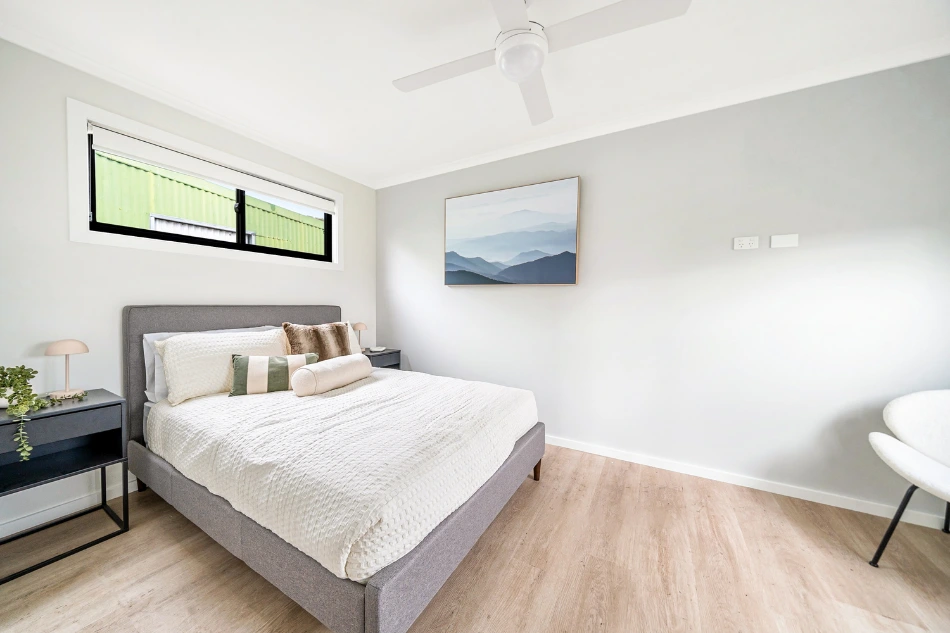
You’re not looking at a donga dressed up to look presentable. You’re looking at a self-contained, high-performance structure—built by qualified tradespeople, in certified facilities, for long-term deployment.
As one smart project manager recently put it: “This thing’s not a tin hut—it’s a real building. Why would I put another roof over it?”
Exactly.
More and more, we see this mindset among managers who are smart about how they invest in the people they’re responsible for—whether it’s staff, tenants, or volunteers. These are leaders focused on creating better conditions, not just ticking boxes, because they know performance and wellbeing flow from that kind of thinking.
It’s this kind of thinking that underpins Aruva’s purpose: to deliver real accommodation solutions for property owners and business managers to secure needed persons.
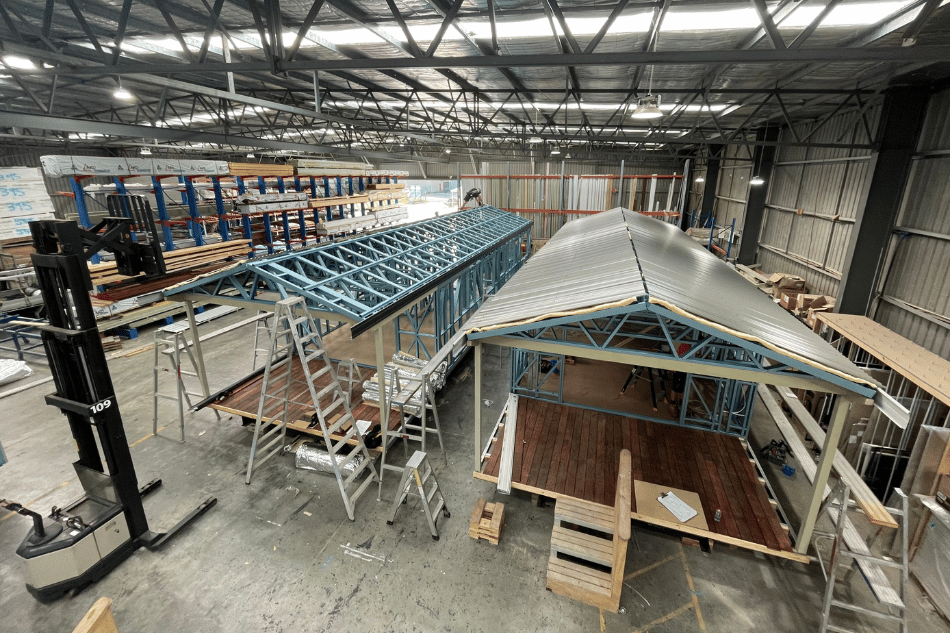
There are, of course, times when installing a shed roof makes sense—but it’s rarely about protecting the unit. It’s about enhancing the site layout.
For example:
In these cases, a shed roof is part of a broader masterplan—not a patch job for poor design.
Here’s where it gets practical. Shed roofs aren’t cheap. They require extra materials, extra labour, and more compliance headaches. So if your modular building is already built to handle the weather—as it should be—adding another roof isn’t just unnecessary. It’s a waste of capital.
This matters to managers who are accountable for operational budgets and long-term ROI. The most cost-effective modular solutions are those that do the job without needing modifications or band-aids once they hit the ground.
Buildings that are strong, simple, and built to last—so your investment keeps delivering.
Before deciding whether to install a shed roof over your modular unit, here are a few things to check:
Ask these questions upfront, and you’ll quickly separate the serious builders from the shortcut suppliers.
And if you’re not getting clear answers, take it as a red flag. Any modular building worth investing in should stand on its own.
Shed roofs became common in some situations because they were necessary for substandard buildings. But they shouldn’t be the default anymore.
With properly built modular units, the building itself should be your protection—compliant, durable, and ready to perform. You’re not buying a workaround. You’re buying a long-term solution.
And that’s the real shift: it’s time to stop thinking about modular units as cheap stopgaps. They’re high-spec tools for smart operators—especially those focused on performance and wellbeing across their workforce or accommodation base.
It’s why we say Real Living. Delivered.
Want a checklist to compare modular building specs before you invest?
Reach out and we’ll send you a practical guide—no sales pitch, just a clear tool to help you make the right decision.

Download your copy of our Accommodation Guide.

Talk to us about your property, timeline and requirements.

We’ll supply a proposal based on your design preference.

Place your order! We’ll build and install your new modular accommodation.
There’s no place like home, right? Your staff can spend their evenings in comfort and style, relaxing and connecting with friends and family, and then recharge their batteries with some quality zzzzs.


Our Resources
Modern methods of construction can cut site hours, reduce delay risk, and improve value. Here’s how to compare build options with confidence.
How many people per bedroom in worker accommodation? Practical limits, WHS risks, and a simple checklist to set a clear, defensible standard.