

Discover how modular units help reduce carbon emissions and operational costs, with long-term value and smarter delivery from Aruva.



Australia’s push to cut carbon emissions has made one thing clear—traditional ways of delivering accommodation aren’t keeping up. Between long lead times, site disruption, and waste, the old model comes with a big environmental bill. For managers, property heads, and farm owners trying to house staff without burning through budget or the planet, there’s a better way.
That’s why more operators are looking to modular. It’s not just quicker. It’s cleaner, leaner, and surprisingly long-term.
According to the Green Building Council of Australia, construction and operation of buildings account for over 20% of the nation’s emissions. And while city apartments and office towers often grab the headlines, the demand for rural and regional accommodation is just as pressing—and just as carbon-heavy.
Whether you’re running a seasonal crew, housing farm staff, or expanding facilities for essential services, the need is real. But so is the opportunity to do it smarter.
Unlike traditional construction, modular housing is completed in controlled environments, which slashes waste and energy use. Aruva’s modern construction method relies on precision and process—units are crafted off-site, delivered efficiently, and installed with minimal fuss.
That means fewer trucks, less noise, and no drawn-out disruptions on your land. It’s also better for local ecosystems and communities, especially in sensitive areas.
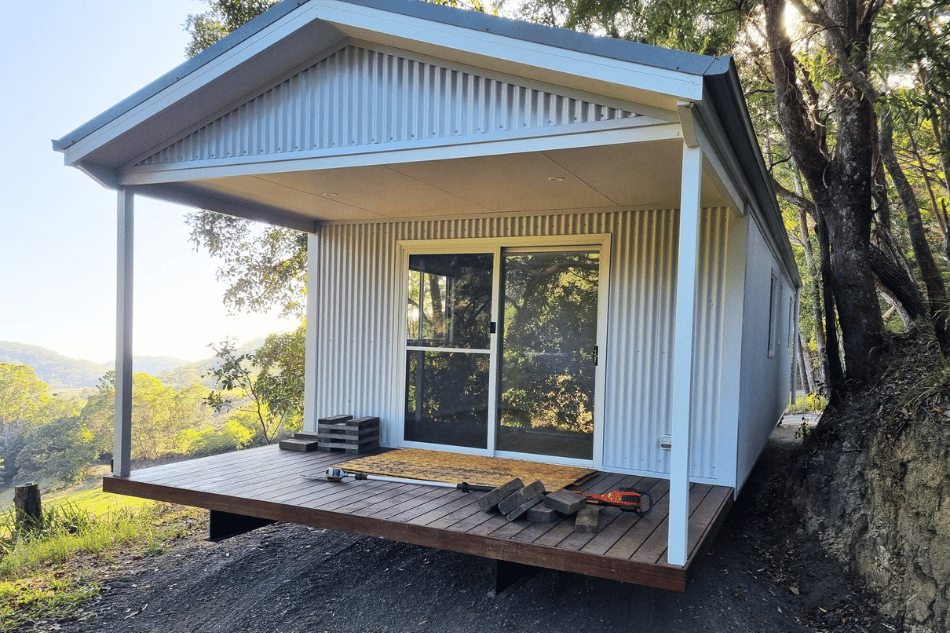
Every part of Aruva’s process is geared to reduce environmental impact while increasing long-term durability. We use repeatable systems and precision methods that ensure each unit meets strict performance and sustainability standards—without blowing out your timelines or budgets.
This practical, forward-looking approach is increasingly being backed by asset managers and project leads who are smart about investing in infrastructure that won’t need constant repair or early replacement. They understand that accommodation is more than a cost—it’s a critical component of workforce reliability and operational efficiency.
PrefabAUS reports that modular construction can emit up to 45% less carbon than conventional site-based methods. That’s a measurable win for organisations prioritising performance, compliance, and environmental stewardship—especially in regions where transport and disruption need to be kept to a minimum.
Aruva units are engineered for resilience and operational longevity—ensuring your investment continues to perform, year after year. Our unit designs are tailored for various needs, ensuring comfort and functionality. With our streamlined delivery model, there’s no chasing contractors or second-guessing timelines. From concept to completion, it’s seamless.
This aligns with Aruva’s niche: the rapid fulfilment of superior modular buildings, driven by efficient processes & approved partnerships.
If you’re running a crew, managing land, or overseeing infrastructure in the regions, you know the pressure that comes with housing your people. You want something practical, something that works, and something that won’t keep you tied up with maintenance down the line.
Modular options give you that edge. Quicker to set up, easier to keep running, and far less hassle than starting from scratch. Having repeatable quality with faster turnaround helps operators stay focused on the job—not the logistics.
If you’re exploring options that reduce complexity and stay effective over time, Aruva’s FAQs are a good place to start.

Download your copy of our Accommodation Guide.

Talk to us about your property, timeline and requirements.

We’ll supply a proposal based on your design preference.

Place your order! We’ll build and install your new modular accommodation.
There’s no place like home, right? Your staff can spend their evenings in comfort and style, relaxing and connecting with friends and family, and then recharge their batteries with some quality zzzzs.


Our Resources
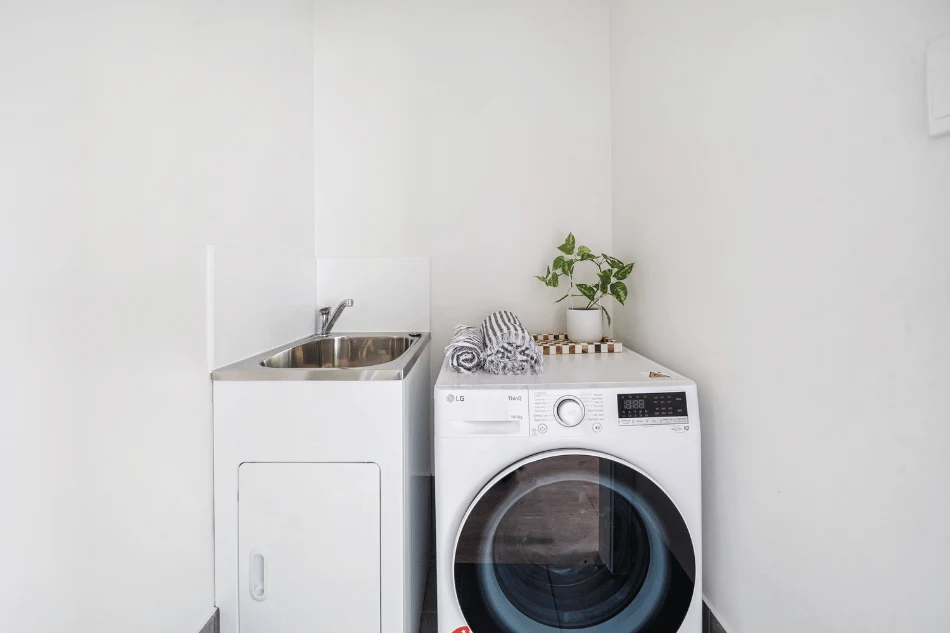
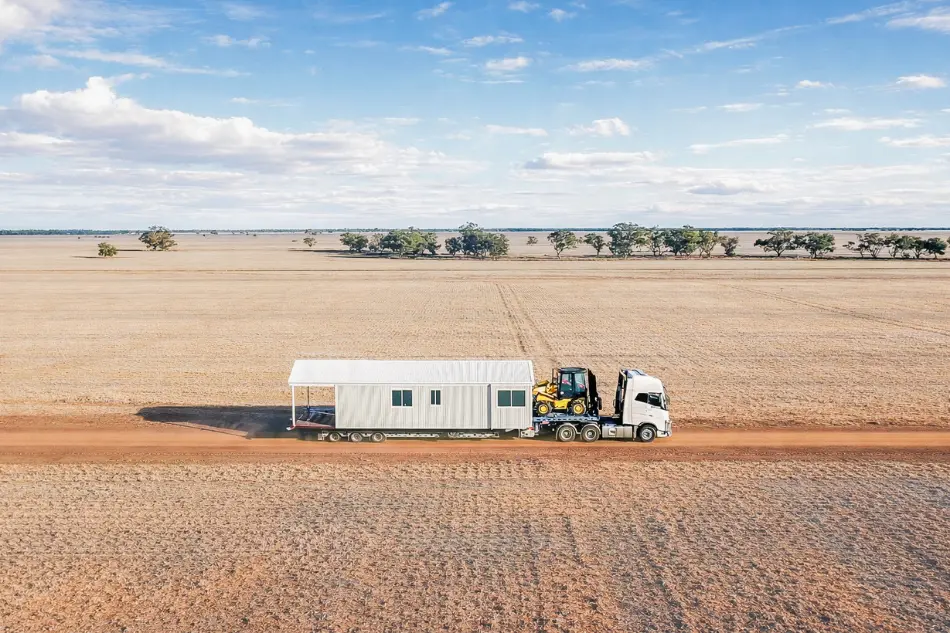
Modern methods of construction can cut site hours, reduce delay risk, and improve value. Here’s how to compare build options with confidence.
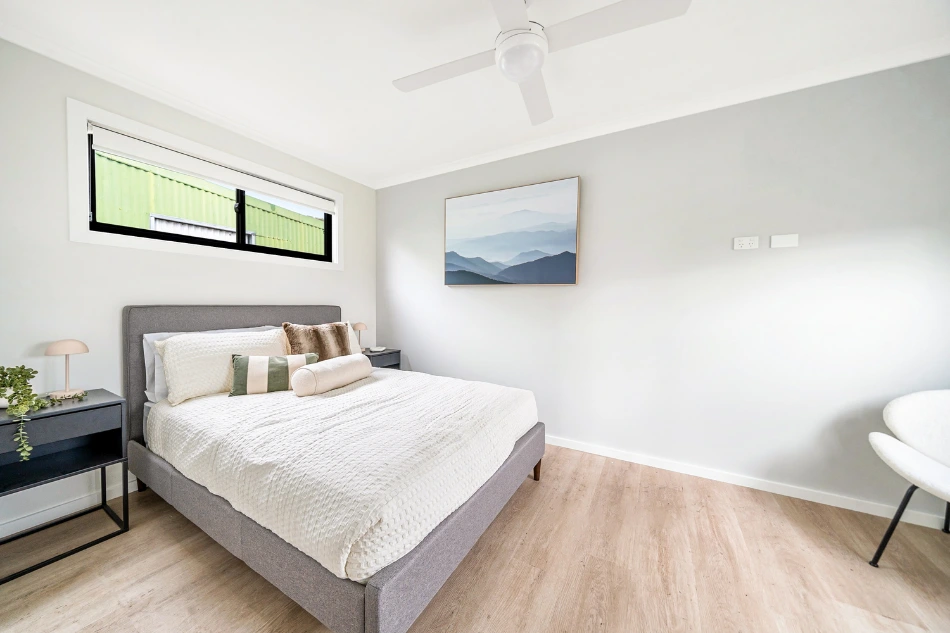
How many people per bedroom in worker accommodation? Practical limits, WHS risks, and a simple checklist to set a clear, defensible standard.