

Modular housing is reshaping Australia’s accommodation sector—see why smart operators are choosing speed, scale, and investment performance with modular builds



Australia’s housing sector is under immense pressure. Budgets are tightening, skilled trades are in short supply, and timelines are regularly derailed. If you’re a project manager, asset owner, or developer trying to deliver reliable accommodation—be it for workers, tenants, or community members—you’ve likely felt the pain.
And yet, we keep building the same way we always have, expecting a different result.
That’s why it’s time we talk seriously about modular housing Australia‑wide—not as a niche or short-term fix, but as the new normal for delivering quality, fit-for-purpose accommodation with long-term ROI.
Look to the Netherlands. Modular builds are standard practice. Developers like Jan Snel are delivering durable, scalable housing for every sector—from student housing to emergency shelter—with speed and consistency.
Germany offers similar examples. Firms like Huf Haus have normalised precision-built modular housing that meets high-performance benchmarks and strict energy standards.
In these countries, modular isn’t an alternative—it’s infrastructure. And it didn’t become mainstream through government mandates alone.
It took industry leadership.
We’ve had our share of inquiries, taskforces and pilot programs. But modular still represents just a fraction of construction output. That’s slowly changing.
Modular projects are now gaining traction in social housing, key worker villages, and remote accommodation across Queensland, Victoria, and beyond.
The Commonwealth Bank has even updated lending frameworks to suit modular contracts—reducing timelines and unlocking funding earlier in the project cycle.
But the real shift won’t come from policy—it comes from providers, property groups and organisations like yours recognising that modular offers more than convenience. It offers control, consistency, and investment security.
It’s not the quality.
It’s not the capability.
It’s cultural inertia.
Australia’s construction industry has long equated value with tradition—brick-and-mortar, built-on-site.
But the numbers tell a different story.
Modular housing offers faster delivery, lower maintenance, and greater predictability across remote or logistically complex locations. Strong, simple, and built to last—so your investment keeps delivering.
For smart Australian property managers—those responsible for housing staff, tenants, or clients—modular is becoming a preferred option. It’s about more than building. It’s about asset performance and long-term liveability.
Because modular means:
Whether you’re developing temporary staff housing, social accommodation, or transitional infrastructure, modular gives you scalable, repeatable results—without sacrificing compliance or quality.
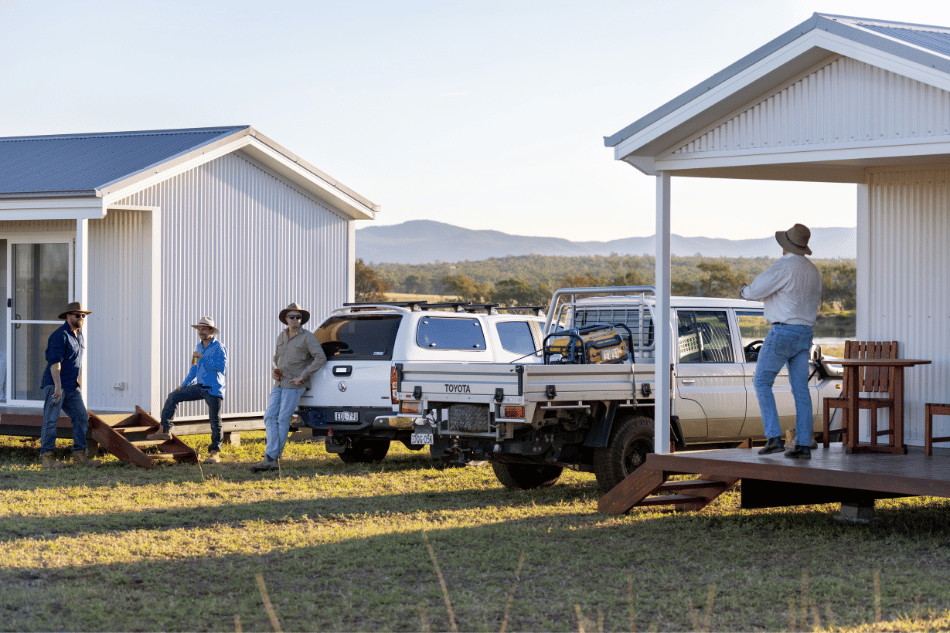
In regional areas, there are manufacturers already deploying high quality modular homes for rural workers and contractors. Built offsite, they’re faster to install and cost significantly less than traditional builds—particularly in areas where trades are scarce.
These aren’t basic boxes. They’re smart builds that stand up to the elements and meet the needs of residents—and investors.
And at the national level, financiers like CBA are now backing modular with more flexibility—recognising its efficiency and value.
That’s not a trend.
That’s a tipping point.
The shift to modular housing won’t happen overnight.
But it will happen—because the demands on the sector demand it.
This is about more than innovation for innovation’s sake. It’s about getting housing delivered—faster, smarter, and with confidence in every detail.
Let’s stop treating modular as the exception. Let’s treat it like the expectation.
To explore how modular could work for your organisation, visit Aruva Modular at www.aruva.au.
It’s why we say: Real Living. Delivered. It’s all about A Good Night’s Sleep.

Download your copy of our Accommodation Guide.

Talk to us about your property, timeline and requirements.

We’ll supply a proposal based on your design preference.

Place your order! We’ll build and install your new modular accommodation.
There’s no place like home, right? Your staff can spend their evenings in comfort and style, relaxing and connecting with friends and family, and then recharge their batteries with some quality zzzzs.


Our Resources
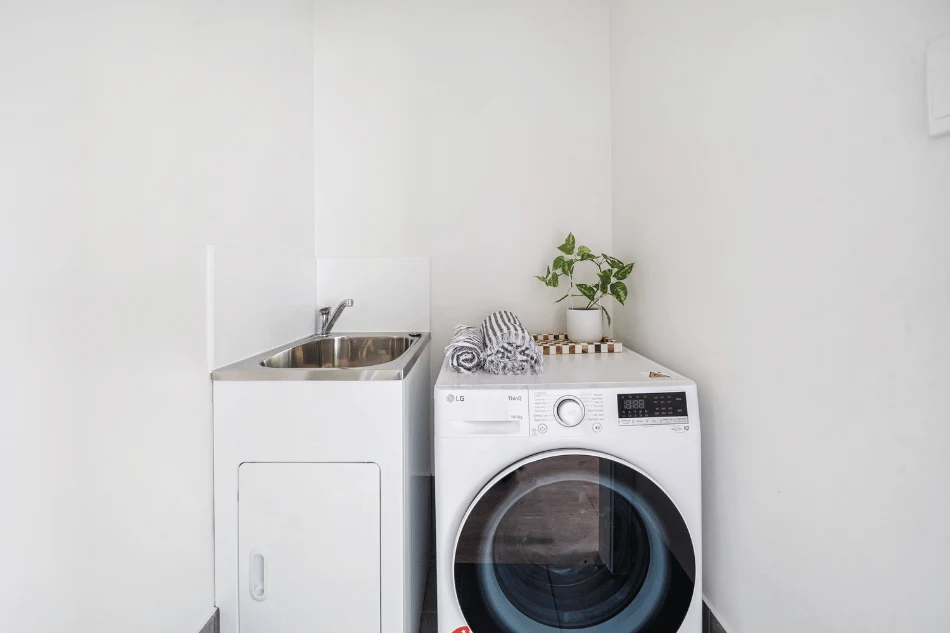
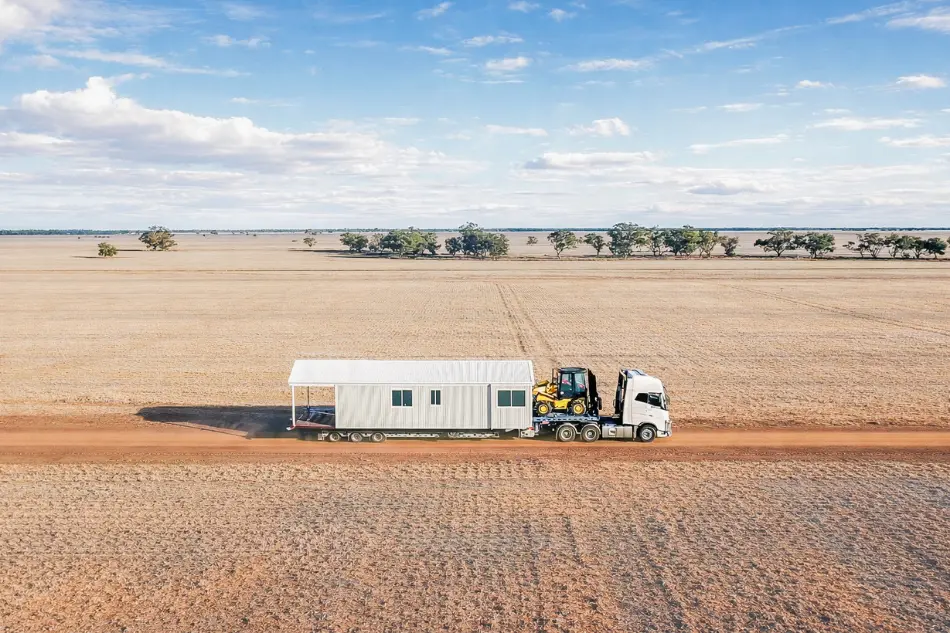
Modern methods of construction can cut site hours, reduce delay risk, and improve value. Here’s how to compare build options with confidence.
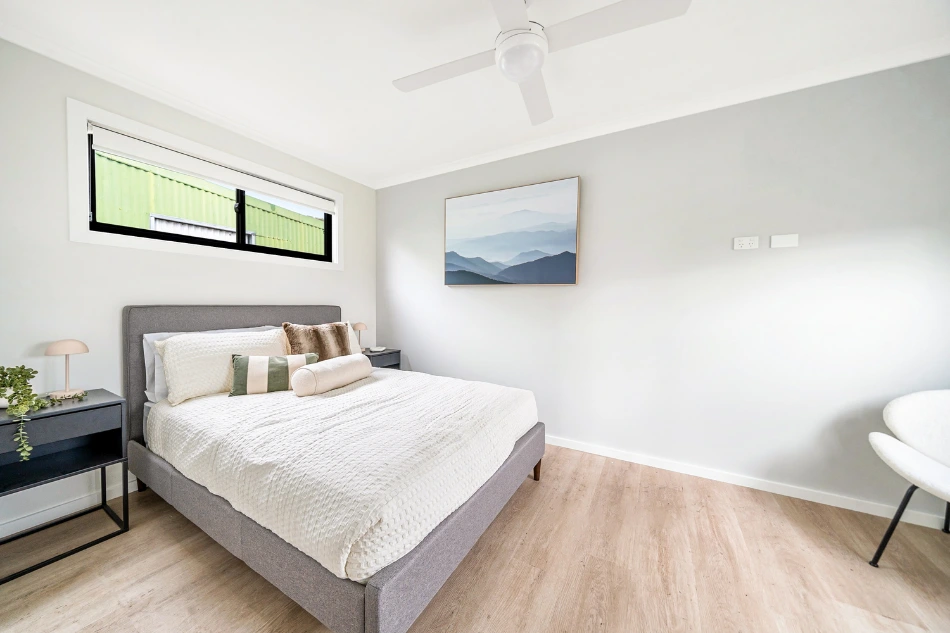
How many people per bedroom in worker accommodation? Practical limits, WHS risks, and a simple checklist to set a clear, defensible standard.