


What is a charcoal filter in a range hood? Learn how this small component supports recirculating air systems in kitchens—ideal for Australian site managers seeking low-maintenance, effective setups.


HUGE SALE NOW ON MODULAR HOUSING! MASSIVE SAVINGS UP TO $30,000
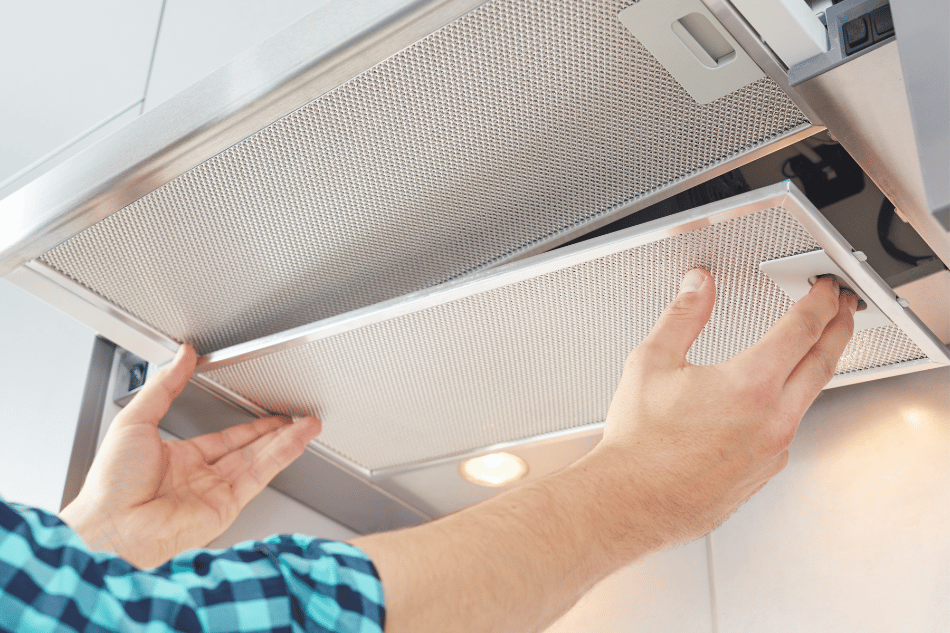
If you’ve got a kitchen setup in workers’ quarters, a shearers’ camp, or anywhere you’re accommodating team members, you’ll probably have a range hood fitted above the cooktop. Not all of these systems vent air outside — some are designed to recirculate it. That’s where a charcoal filter comes in.
These are small inserts that slot into the hood. Despite their size, they serve an important function in cleaning the air.
A charcoal filter — also called an activated carbon filter — removes smoke, odours, and volatile particles from the air. It’s used in range hoods that don’t connect to ducting. Instead of pushing air outside, the hood pulls it through the charcoal, filters it, and releases it back into the room.
Here’s the process in plain terms:
This type of setup is common where external venting isn’t practical — like rural sites or temporary accommodation blocks for farmhands, contractors, or seasonal teams.
If you’re unsure whether a hood is ducted or recirculating, Choice offers a helpful guide for assessing your setup.
If your hood vents outside, you don’t need one. But if it’s recirculating — meaning there’s no external duct — a charcoal filter is essential. Without it, the hood simply blows smoke and odours back into the space.
Using a filter improves air quality and reduces maintenance, especially when you’re managing accommodation for multiple workers. This is something smart Australian owners who invest wisely in their land and teams tend to plan for.
Like any filter, charcoal ones wear out over time. They aren’t washable. Once they’re saturated with grease and particles, their effectiveness drops right off. That means:
Where external ducting isn’t viable and you still need basic air filtering — that’s where charcoal filters are most useful.
They’re common in worker quarters, remote kitchens, or modular setups where keeping install time and costs low matters. That’s why they’re often included in plug-and-play kitchen systems for portable or modular buildings.
Managers focused on low-maintenance, long-term solutions often choose systems with charcoal filters for their simplicity and lower ongoing upkeep.
In any high-use kitchen — on a farm, at a worksite, or in a regional facility — choosing the right ventilation setup matters. A recirculating hood with a charcoal filter is a practical choice when ducting isn’t possible. It helps reduce grease build-up, lowers maintenance, and supports basic air quality control.
If you’re planning new accommodation or refurbishing existing facilities, matching the right hood to the right setting keeps things running smoothly.
To see practical accommodation solutions in action, visit www.aruva.au.
Real Living. Delivered.

Download your copy of our Accommodation Guide.
Aruva’s experienced team will collaborate with you about our modular accommodation solutions.

Talk to us about your property, timeline and requirements.

We’ll supply a proposal based on your design preference.

Place your order! We’ll build and install your new modular accommodation.
There’s no place like home, right? Your staff can spend their evenings in comfort and style, relaxing and connecting with friends and family, and then recharge their batteries with some quality zzzzs.


Our Resources

Planning multiple modular housing units? Learn what to check for power, water and wastewater before you lock in site layouts or unit numbers.
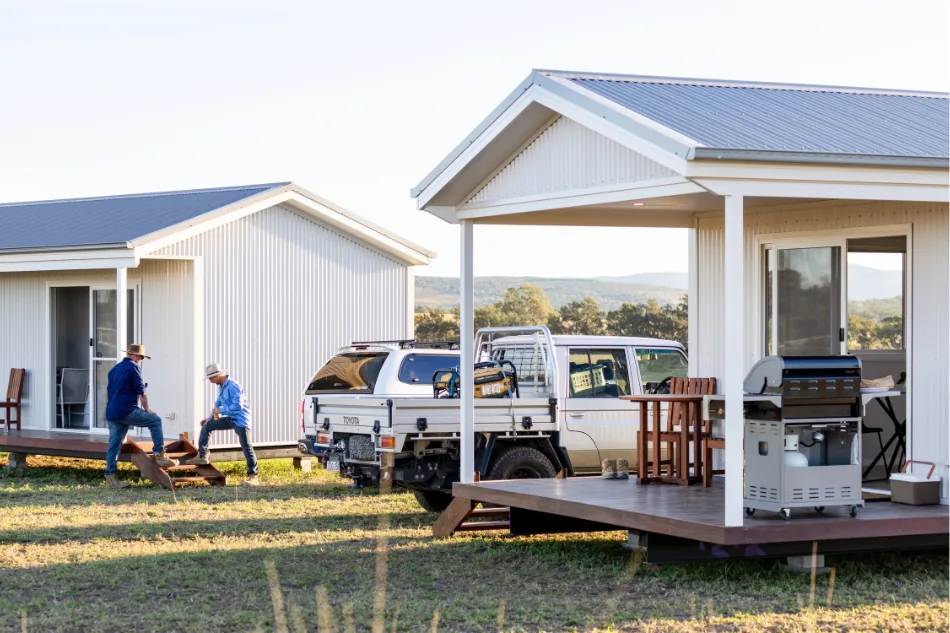
Modular housing cost Australia explained: see the seven budget areas beyond the unit price, from freight and footings to approvals and services.
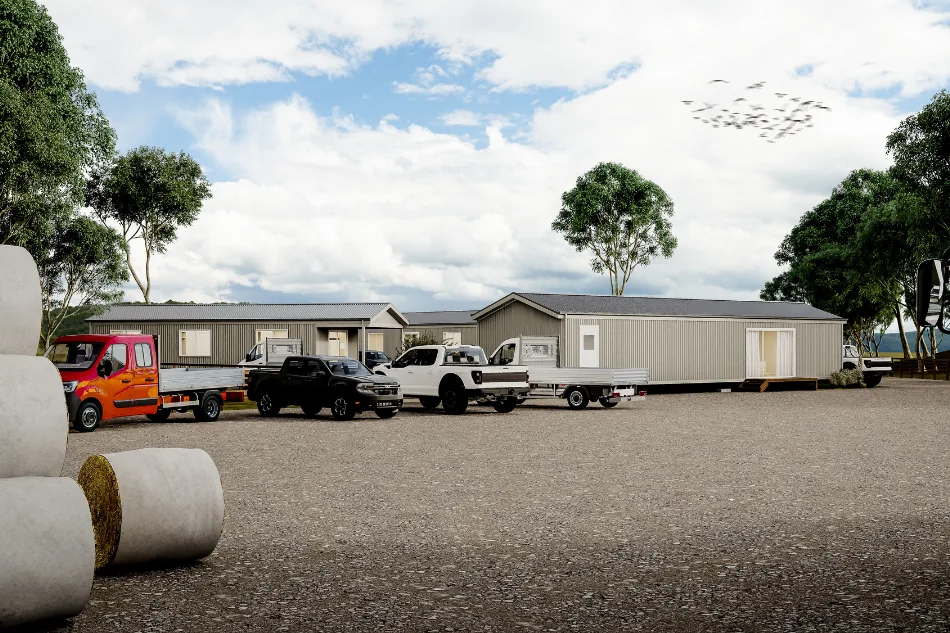
Worker housing costs go beyond the build. See how vacancies, overtime, travel and management time can raise the cost of inadequate housing.